
Is your generator louder than you’d like? That constant noise can be frustrating and disruptive, especially when you just want peace and quiet.
But what if you could reduce that noise without spending a fortune or calling a professional? You’ll discover simple, effective ways to quieten your generator. Whether you use it for emergencies, camping, or work, these tips will help you enjoy power without the noise.
Keep reading to find out how to make your generator a much quieter companion.
Noise Sources In Generators
Engine noisecomes from the moving parts inside the generator. It is often loud because of the engine’s power and speed. This noise can be steady or change with load.
Exhaust noiseis caused by gases leaving the engine. It sounds like a loud roar or rumble. Mufflers can help reduce this noise but don’t stop it completely.
Vibration noisehappens when the generator shakes. These shakes can cause parts to hit each other or the frame, making a rattling sound. Rubber mounts can help absorb some vibrations.
Fan and cooling noiseis made by the fan blades moving air to cool the engine. This noise is usually a steady hum or whoosh. Keeping the fan clean can reduce noise levels.
Credit: www.youtube.com
Choosing A Quiet Generator
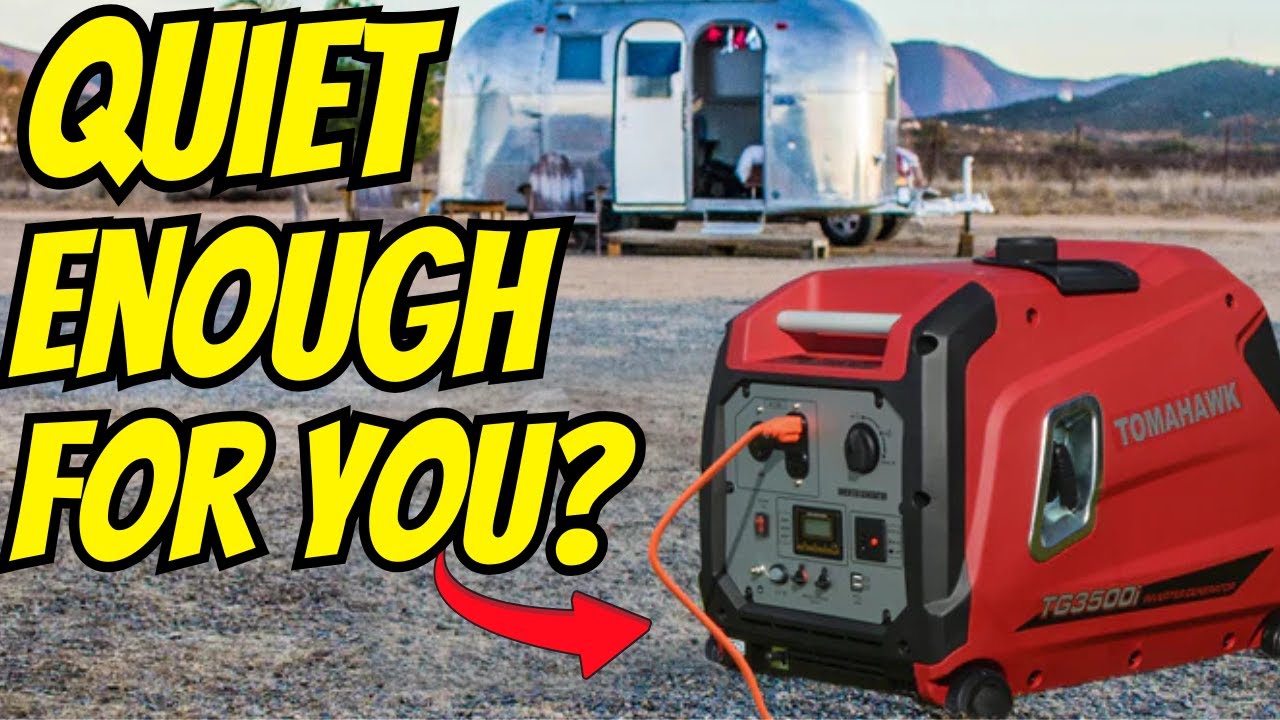
Inverter generatorsare usually quieter than conventional ones. They use advanced technologyto control engine speed. This helps reduce noise and save fuel. Conventional generators run at a constant speed, which makes them louder.
| Type | Noise Level (Decibels) | Power Output | Size |
|---|---|---|---|
| Inverter Generator | 50-60 dB | 1000-4000 watts | Compact and lightweight |
| Conventional Generator | 65-75 dB | 2000-7000 watts | Larger and heavier |
Choosing the right size helps reduce noise. Smaller generators often make less noise but provide less power. Match the generator power to your needs. Noise ratings show how loud a generator is. Lower decibels mean quieter operation.
Placement Strategies
Keeping the generator far from living areasreduces noise disturbance. Place it at least 20-30 feetaway from windows and doors.
Using sound barrierslike fences or walls helps block noise. Barriers made of dense materialsabsorb sound better.
Soft ground surfacessuch as grass or soil can lower vibration noise. Avoid hard surfaces like concrete or metal.
Mounting the generator on anti-vibration padsalso reduces noise from shaking parts. This makes operation quieter and smoother.
Soundproofing Techniques
Building a sound enclosure helps block noise from escaping. Use thick materials like plywood or MDF for walls. Line the inside with acoustic foam panelsto absorb sound waves. Ensure the enclosure has enough space around the generator for air flow. A door or hatch with seals keeps noise in and air moving.
- Acoustic panelsreduce echo and lower sound levels.
- Place panels on walls and ceiling inside the enclosure.
- Choose panels with good sound absorption ratings.
Sealing air gaps is key. Use weather stripping or foam tape around doors and vents. Even small openings let noise escape. Cover gaps with soundproof caulk for a tight seal.
Maintenance For Noise Reduction
Regular engine tune-ups keep your generator running smoothly. Check spark plugs, air filters, and carburetors often. This helps reduce noise and improves fuel efficiency.
Use clean, high-quality fuel and fresh engine oil. Proper lubrication lowers friction and noise. Old or dirty fuel can cause rough engine sound.
| Part | What to Do | Why It Helps |
|---|---|---|
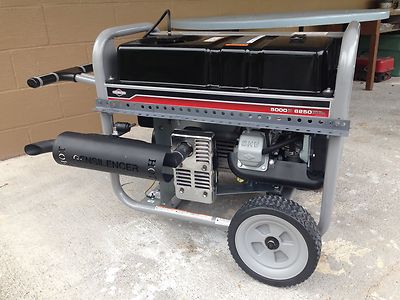
| Mufflers | Check for holes or rust. Replace if damaged. | Reduces loud exhaust noise. |
| Exhaust Pipes | Inspect for leaks and secure connections. | Prevents extra noise from escaping. |
Credit: www.ebay.ca
Additional Noise Reduction Tips
Noise dampening matsabsorb sound waves from the generator. Place them under or around the unit to reduce noise. They also help stop vibrations from spreading to the ground.
Vibration isolatorsare pads or mounts that stop shaking. These reduce the noise caused by moving parts inside the generator. Installing them can make the generator quieter and last longer.
Try to run the generator during low noise hours. This means using it when fewer people are around, like midday or early afternoon. It helps avoid disturbing neighbors and keeps noise complaints low.

Credit: flowtechadvantage.com.au
Frequently Asked Questions
How Can I Reduce Generator Noise?
To reduce generator noise, use a soundproof enclosure or baffle box. Position the generator on a soft surface like rubber mats. Regular maintenance, like tightening loose parts, can also help. Additionally, distance the generator from living areas to minimize noise impact.
What Materials Are Best For Soundproofing A Generator?
High-density materials like mass-loaded vinyl and acoustic foam are effective. Rubber mats and fiberglass panels can also help in reducing noise. Using a combination of these materials in a soundproof enclosure can significantly lower generator noise levels.
Can A Muffler Help In Quieting A Generator?
Yes, installing a high-quality muffler can significantly reduce generator noise. Mufflers work by dampening the sound produced during exhaust. Ensure the muffler is compatible with your generator model for optimal performance. Regular maintenance of the muffler is also essential for noise reduction.
How Does Distance Affect Generator Noise?
Increasing the distance between the generator and the living area reduces perceived noise levels. Sound diminishes as it travels, so placing the generator farther away helps. Use extension cords if necessary to maintain a safe distance without compromising utility.
Conclusion
Quieting a generator improves comfort and safety around your home. Simple steps like adding soundproof covers and placing the generator on soft surfaces help reduce noise. Regular maintenance keeps the machine running smoothly and quietly. Small changes can make a big difference in noise levels.
Try these tips to enjoy a quieter environment while using your generator. Stay patient and adjust as needed for the best results.