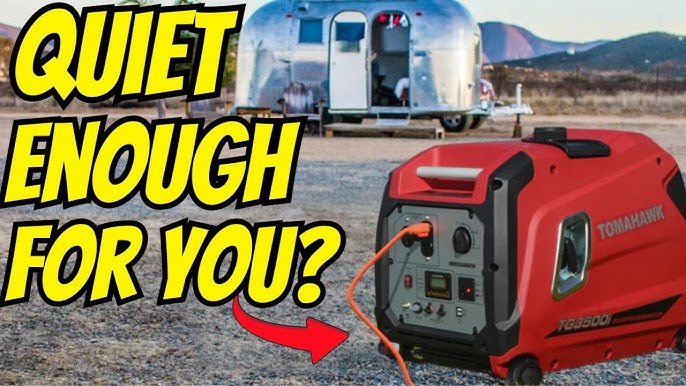
Is the constant hum of your standby generator becoming a source of frustration? Whether it’s disturbing your peace or inflating your energy bills, learning how to quiet a standby generator can bring you much-needed relief.
Imagine enjoying a serene environment without the incessant noise in the background. In this guide, you’ll discover simple yet effective strategies to significantly reduce the noise levels of your generator. You’ll gain peace of mind and a quieter living space, allowing you to focus on what truly matters.
Dive in to find out how you can transform your generator into a silent powerhouse, ensuring comfort and tranquility in your home.

Credit: www.generac.com
Reasons To Silence Generator Noise
Generator noisecan disturb neighbors and cause tension. Loud sounds affect peaceand quietin the area. Noise pollution from generators may lead to complaintsand community issues. Keeping noise low shows respect for neighbors.
Noise also affects health. Loud sounds can cause stress, headaches, and sleep problems. It may worsen heart issuesand hearing loss. Quiet generators help keep the environment safeand healthyfor everyone.
Common Noise Sources
Engine noiseis often the loudest sound from a standby generator. It comes from the moving parts inside, like pistons and valves. Soundproof covers or enclosures can help reduce this noise.
Exhaust soundscome from the gases leaving the engine. These can be sharp and high-pitched. Installing a muffler or silencer on the exhaust pipe lowers this noise.
Vibration and resonancehappen when the generator shakes or parts vibrate. These cause rattling or humming sounds. Placing the generator on vibration pads or isolators can stop these noises.
Basic Noise Reduction Techniques
Placing the generator far from windows and walls helps reduce noise. A location with natural barriers like trees or fences is best. Avoid placing it near living spaces or bedrooms.
Regularly cleaning and checking the generator keeps it running smoothly. Tightening loose parts stops extra noise. Change oil and filters as the manual says.
Sound barriers block and absorb noise. Use fences, walls, or special panels around the generator. Materials like wood, concrete, or heavy fabric work well.

Credit: www.generac.com
Upgrading Mufflers And Exhausts
High-quality mufflersreduce noise by absorbing sound waves from the generator. They are made with better materials and design than standard mufflers. This helps to make the generator much quieter.
Exhaust extensions move the exhaust gases further away from your home. This reduces noise near living areas. Extensions also help to direct fumes safely outside.
| Upgrade Type | Benefit |
|---|---|
| High-Quality Mufflers | Absorb sound waves, reduce noise levels |
| Exhaust Extensions | Direct exhaust away, lower noise near home |
Installing Soundproof Enclosures
Soundproof enclosuresreduce noise from standby generators effectively. Use materialslike mass loaded vinyl, acoustic foam, and soundproof drywall. These materials block and absorb sound waves.
Woodor metal framessupport the enclosure’s structure. Cover the frame with soundproof materials for best results. Ensure the enclosure is sturdy yet easy to open for maintenance.
| Material | Purpose | Benefits |
|---|---|---|
| Mass Loaded Vinyl | Sound Barrier | Blocks noise, thin and flexible |
| Acoustic Foam | Sound Absorption | Reduces echoes and reverberations |
| Soundproof Drywall | Noise Reduction | Heavy and dense, lowers sound |
Proper ventilationis key. Enclosures must allow airflow to cool the generator. Use vents with sound bafflesto reduce noise without blocking air.
- Place vents away from neighbors.
- Use flexible ducting to reduce vibration noise.
- Keep vents clean to avoid overheating.
Anti-vibration Solutions
Reducing noise from a standby generator improves comfort and peace at home. Using anti-vibration pads and isolators lowers sound and vibration effectively. Placing the generator on a stable, cushioned surface helps keep it quiet.
Isolation Pads
Isolation padshelp reduce noise by absorbing vibrations. These pads are placed under the generator’s feet or base. They stop vibrations from reaching the ground or building. This makes the generator run more quietly. Pads are made from materials like rubber or foam. They come in different thicknesses and sizes. Choosing the right pad depends on the generator weight and surface. Soft, thick pads give better vibration absorption. Easy to install and cost-effective, isolation pads improve comfort around the generator.
Flexible Mounts
Flexible mountsuse springs or rubber parts to hold the generator. These mounts absorb vibrations before they move to the frame or ground. They reduce noise and protect the generator from damage. Flexible mounts are good for larger or heavier generators. They come in various shapes and strengths. Some mounts allow slight movement, lowering sound and shaking. Installing flexible mounts needs care to fit the generator size and weight. They offer long-lasting noise and vibration control.
Professional Noise Control Options
Consulting expertshelps find the best noise control for your generator. They check your setup and suggest smart fixes. Experts know which silencing parts fit well and work best.
Custom silencing systemsare made to lower sound levels. These systems use special materials to block and absorb noise. They fit around your generator, making it much quieter.
- Experts assess noise sources and suggest solutions.
- Custom systems include mufflers, enclosures, and barriers.
- Systems are built to match your generator size and type.
- Helps keep noise within legal limits.
- Improves comfort for neighbors and workers.
Maintenance Tips For Long-term Quiet Operation
Regular checks help keep the generator running smoothly. Look for dirt, rust, or loose parts. Tighten any screws and bolts that seem loose. Clean the air filter often to avoid dust buildup. Check the fuel lines for cracks or leaks. Listen for odd noises during operation. Small problems can turn into big issues if ignored.
Lubrication is key to reduce wear and tear. Use the right oil type as the manual says. Change oil regularly to keep the engine healthy. Look for leaks around seals and gaskets. Fix any leaks quickly to prevent damage. Replace worn parts to avoid breakdowns. Keeping everything well-oiled and fixed makes the generator quieter and lasts longer.

Credit: www.generac.com
Frequently Asked Questions
How Do I Safely Shut Down A Standby Generator?
To safely shut down a standby generator, turn off all connected appliances first. Then, switch the generator’s power switch to the off position. Finally, close the fuel valve to prevent leaks. Always follow the manufacturer’s instructions for your specific model.
How Can I Reduce Noise From My Standby Generator?
Place the generator on a sound-absorbing mat or enclosure. Use a noise-reducing generator box or barrier. Regularly maintain the muffler and engine parts. Ensure it is installed away from living spaces to minimize noise impact.
When Should I Perform Maintenance On My Standby Generator?
Perform maintenance every 6 months or after 100 hours of use. Check oil levels, clean filters, and inspect fuel lines. Regular maintenance ensures quiet operation and extends generator lifespan. Always refer to the manufacturer’s maintenance schedule.
What Causes A Standby Generator To Be Noisy?
Noise often comes from engine vibrations, exhaust, or loose parts. Lack of maintenance or worn-out mufflers can increase sound levels. Proper installation and regular servicing reduce noise significantly for quieter generator performance.
Conclusion
Quieting your standby generator takes patience and the right steps. Use soundproof enclosures and place the unit away from living spaces. Regular maintenance keeps noise low and parts running smooth. Check for loose panels or worn components often. Small changes make a big difference in noise levels.
Enjoy power without the loud sounds. Your home stays calm and comfortable during outages. Keep these tips handy for a quieter generator experience.