Are you tired of unexpected generator failures that disrupt your day? If you’ve ever been caught off guard by a power outage, you know how frustrating it can be.
But what if I told you there’s a way to minimize these disruptions? Understanding how to read a generator maintenance schedule can be your secret weapon. It’s not just about keeping your generator running smoothly; it’s about ensuring peace of mind.
Imagine having the confidence that your backup power source will kick in precisely when you need it most. In this guide, you’ll discover the simple steps to decode these schedules, empowering you to keep your generator in top-notch condition. Ready to take control and avoid those inconvenient power interruptions? Let’s dive in!
Credit: help.brightlysoftware.com
Generator Maintenance Basics
A generator needs regular care to work well. The maintenance schedulehelps keep it safe and strong. It tells when to check parts and do fixes.
Look at the key parts. The engine, battery, oil, and air filter are very important. Check the oil level and change it often. Battery health matters too. Make sure the air filter is clean so the engine breathes well.
Common tasks include:
- Changing oil and oil filters
- Checking and cleaning the air filter
- Testing the battery and charging system
- Inspecting fuel lines and fuel filters
- Running the generator regularly to keep parts moving
- Checking coolant levels and hoses
Decoding Maintenance Schedules
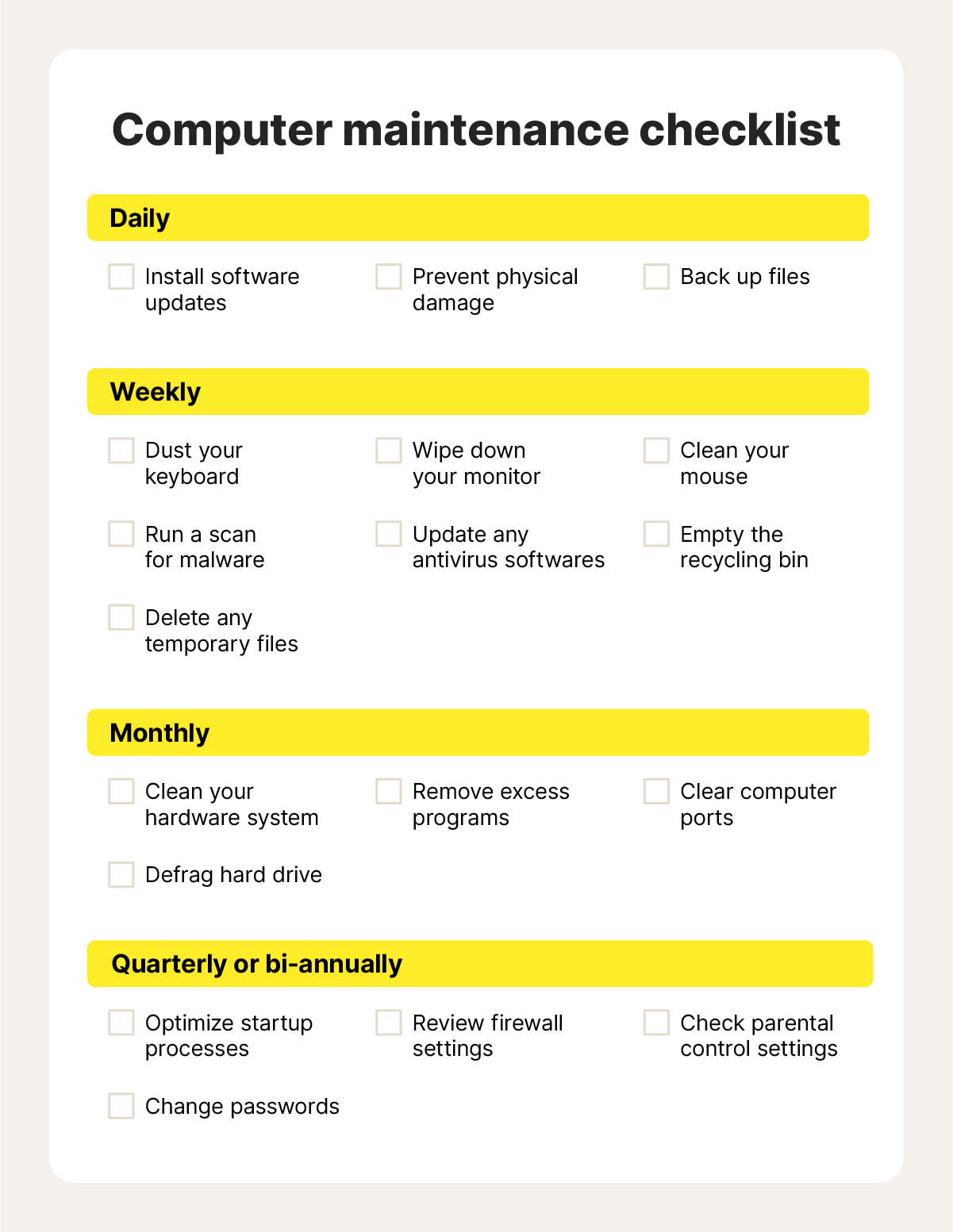
Frequency indicatorsshow how often maintenance should happen. These can be days, weeks, or hours of use. Some tasks may need daily checks, while others happen monthly or yearly. Understanding these helps keep the generator safe and working well.
Task prioritizationmeans doing the most important jobs first. Tasks that stop the generator from running are top priority. Less urgent jobs can wait but should not be ignored. This keeps the machine reliable and ready to use.
Understanding timeframesmeans knowing when each task must be done. Some maintenance is needed after a set number of hours. Others depend on calendar time. Following these timeframes helps avoid breakdowns and costly repairs.
Tools For Tracking Maintenance
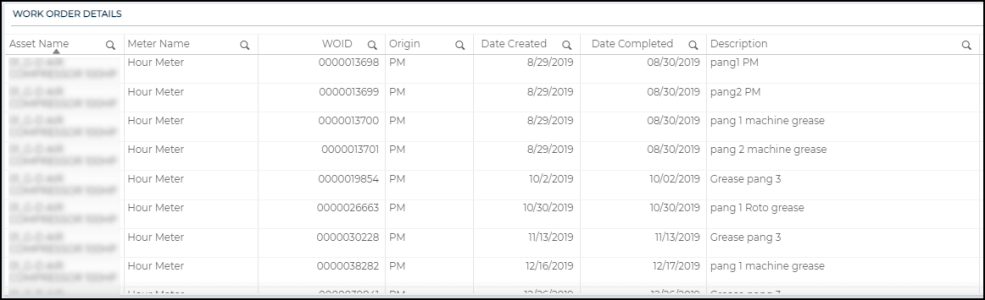
Digital logs and appshelp keep track of generator maintenance easily. They store dates, tasks, and notes in one place. These tools send remindersfor upcoming maintenance. Many apps allow photo uploadsto show issues or progress. Data can be shared with technicians for faster service. Using digital tools reduces paperworkand lost records.
Manual record keeping uses notebooksor printed forms. It is simple and does not need internet access. Writing down dates and tasks helps remember what was done. Color codes or stamps can mark completed jobs. Keep records in a safe, dry placeto avoid damage.

Credit: www.fleetio.com
Signs Of Overdue Maintenance
Performance issuesoften show when generator maintenance is overdue. The generator may run unevenlyor lose power. It might take longer to startor stop suddenly. Fuel use can rise, causing higher costs. These signs mean it needs care soon.
Visual indicatorshelp spot problems fast. Look for oil leaksor fuel spills. Rust or corrosionon parts is a bad sign. Also, check for loose wiresor broken belts. Dust and dirt build-up can block air filters.
| Performance Issue | Visual Indicator |
|---|---|
| Uneven running | Oil leaks or spills |
| Power loss | Rust or corrosion |
| Hard start | Loose wires or belts |
| Higher fuel use | Dirty air filters |
Expert Tips For Effective Scheduling
Customizing a generator maintenance schedule depends on how often you use it. Frequent use means more checks and oil changes. Less use requires fewer but still regular inspections. Keep a log of running hours to know when to service.
Weather and environment affect maintenance needs. Dusty or wet places cause faster wear. Cold weather needs special attention to battery and oil. Hot climates require more cooling system checks. Adjust your schedule based on these conditions.
Manufacturer guidelines provide the best maintenance plan. Follow their recommended service intervals strictly. Use the right parts and fluids they suggest. This keeps your generator working safely and longer.
Credit: us.norton.com
Troubleshooting Common Maintenance Challenges
Missed maintenance taskscan cause problems. Start by checking the schedule again. Note which tasks were missed and how long ago. Some tasks can be done late without harm, but others need quick action.
Contact a technician if unsure. Keep a log of missed tasks to avoid repeats. Adjust the schedule to fit your real situation better.
Unexpected wearmeans parts show damage before scheduled checks. Look for signs like noise, heat, or leaks. These signs tell you to check the part sooner.
Adjust the maintenance plan to check these parts more often. Use a table like below to track wear and schedule changes:
| Part | Wear Sign | Original Check Interval | New Check Interval | Notes |
|---|---|---|---|---|
| Generator Belt | Cracks, noise | 6 months | 3 months | Inspect more often |
| Oil Filter | Leakage | 12 months | 6 months | Replace early |
| Battery | Slow start | 12 months | 9 months | Check voltage monthly |
Frequently Asked Questions
What Is A Generator Maintenance Schedule?
A generator maintenance schedule is a planned timeline for regular checks and servicing. It ensures the generator runs efficiently and prevents unexpected breakdowns. Following the schedule helps maintain performance, extend lifespan, and avoid costly repairs.
How Often Should I Check My Generator?
You should check your generator at least once a month. Regular inspections help identify issues early. Some components may need weekly or quarterly checks depending on usage and manufacturer recommendations.
What Key Tasks Are In A Maintenance Schedule?
Key tasks include oil changes, filter replacements, battery tests, and fuel system checks. Inspecting belts, coolant levels, and electrical connections is essential. Each task helps keep the generator reliable and efficient.
Why Follow The Manufacturer’s Maintenance Schedule?
Following the manufacturer’s schedule ensures proper care tailored to your generator. It helps maintain warranty coverage and prevents voiding it. Proper maintenance boosts safety, performance, and longevity.
Conclusion
Reading a generator maintenance schedule keeps your machine working well. It helps you know when to check parts and change oil. Regular care stops problems before they start. Following the schedule saves money on repairs. It also makes sure your generator runs when needed.
Keep the schedule handy and check it often. Small steps lead to long generator life. Simple to do, big benefits.