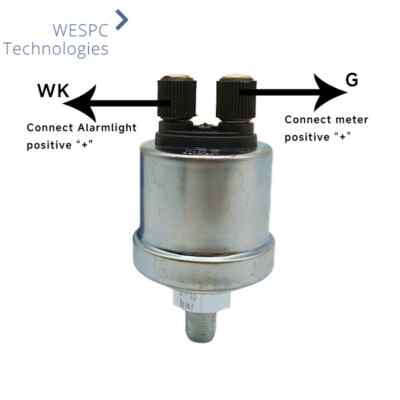
If you want to keep your generator running smoothly, understanding how to read the oil pressure sensor is key. This small device tells you if your generator’s engine is getting enough oil pressure, which protects it from serious damage.
But how do you actually check the sensor and know what the readings mean? You’ll learn simple steps to read your generator’s oil pressure sensor like a pro. By the end, you’ll feel confident spotting problems early and keeping your generator in top shape.
Keep reading—you don’t want to miss these easy tips that can save you time and money.

Credit: www.amazon.com
Generator Oil Pressure Sensor Basics
The oil pressure sensoris very important for a generator’s engine. It helps to check the oil pressureinside the engine. Good oil pressure keeps the engine parts lubricatedand safe from damage. Low oil pressure can cause the engine to stop working or get damaged quickly.
There are different types of oil pressure sensors. The two most common are:
- Mechanical sensorsthat use a small switch to detect pressure changes.
- Electrical sensorsthat send signals to a display or control system.
Each type works in a simple way to keep the engine running smoothly and safely.
Tools Needed For Reading
A multimeteris the key tool for reading a generator oil pressure sensor. It measures voltage, resistance, and continuity. Choose a multimeter with a clear display and easy controls. A digital multimeter is best for accuracy.
Other helpful equipment includes:
- Test leadswith sharp probes to connect to sensor terminals.
- Insulating glovesfor safety when working near engine parts.
- Wrenches or pliersto remove sensor if needed.
- Service manualfor your generator model to know correct sensor specs.
Locating The Sensor
The oil pressure sensoron a generator is usually found near the engine block. It measures the oil pressureinside the engine to ensure proper lubrication. This sensor is often placed close to the oil filter or oil pump.
Typical places to check include:
- Near the oil filter housing
- Close to the engine blockor cylinder head
- At the oil pump outlet
Access can be tricky if the engine cover or other parts block the view. Remove any covers gently to avoid damage. Use a flashlight for better visibility in tight spaces. A service manual often shows the exact sensor location for your generator model.

Credit: www.amazon.com
Testing The Sensor
Check the electrical connectionsfirst to ensure they are secure and clean. Loose or dirty wires can cause false readings. Use a multimeterto test the voltage and resistance of the sensor.
- Disconnect the sensor connector carefully.
- Set the multimeter to measure voltageor resistance.
- Measure the voltage at the sensor terminals while the generator runs.
- Compare the readings to the manufacturer’s specifications.
- Check resistance across the sensor terminals; it should be within the correct range.
Low or no voltage may mean a wiring problem. Incorrect resistance shows a bad sensor. Replace or repair as needed.
Interpreting Sensor Readings
Normal oil pressurein generators usually stays between 20 and 60 psi. This range changes with the engine’s speed and temperature. When the engine is cold, pressure is higher. As it warms up, pressure drops but stays steady during operation. Check your generator’s manual for exact numbers.
Faulty sensor readingsshow as very low or very high pressure. A constant zero or extremely high number means the sensor might be broken. Sudden jumps or drops in pressure without engine changes also signal a problem. Worn wires or dirty connectors can cause wrong readings.
Troubleshooting Common Issues
Sensor replacementis needed if the oil pressure reading is always wrong. A sensor that gives no signal or erratic valuesshould be swapped. Look for visible damage or corrosionon the sensor body. Also, check if the sensor fails during testing with a multimeter.
Wiring problemsoften cause sensor errors. Wires may be broken, loose, or corroded. Use a tester to check continuity and voltagein the wiring harness. Ensure all connectors fit tightlyand are clean.
- Look for frayed wires or broken insulation.
- Replace damaged wires or connectors immediately.
- Secure wiring to avoid vibrations and wear.
- Test the sensor after fixing wiring.
Maintaining Sensor Accuracy
Regular inspectionof the oil pressure sensor helps keep it working well. Check for any loose connectionsor dirt. Clean the sensor gently to avoid damage. Look for signs of wear or corrosionon the sensor and wires.
Preventive measuresinclude:
- Keep engine oil clean and at the right level.
- Replace sensor if readings seem wrong or unstable.
- Use correct sensor type for your generator model.
- Check wiring and connectors regularly for damage.
- Protect sensor from extreme heat and moisture.
Credit: www.electriciantalk.com
Frequently Asked Questions
What Is A Generator Oil Pressure Sensor?
A generator oil pressure sensor measures the engine’s oil pressure. It ensures proper lubrication and prevents engine damage. The sensor sends data to the control panel for monitoring.
How Do I Read The Oil Pressure Sensor?
To read the sensor, connect a multimeter or monitor the gauge on the control panel. Compare the reading to the manufacturer’s recommended oil pressure range for accuracy.
Why Is Oil Pressure Important In Generators?
Oil pressure maintains engine lubrication, reducing friction and wear. Low pressure can cause engine damage or failure, making monitoring vital for generator performance and longevity.
What Causes Inaccurate Oil Pressure Readings?
Inaccurate readings can result from sensor failure, wiring issues, or oil leaks. Regular maintenance and sensor checks help ensure reliable oil pressure data.
Conclusion
Reading a generator oil pressure sensor is crucial. It ensures the generator runs smoothly. Regular checks can prevent costly repairs. Follow the steps for accurate readings. Always consult the manual for specific instructions. This helps in understanding the sensor better.
Stay safe and maintain your generator efficiently. Keep tools handy for quick checks. Regular maintenance prolongs generator life. Be proactive in monitoring oil pressure. This guarantees optimal performance. Stay informed and confident in handling your generator. Remember, a well-maintained generator saves time and money.