Imagine this: you’re all set for a perfect camping weekend or preparing for a crucial event, and suddenly, your generator won’t start. The culprit?
A dead battery. It’s a frustrating scenario that can throw a wrench in your plans. But before you panic, know that recharging a dead generator battery can be simple and straightforward. By learning a few easy steps, you can save the day and avoid future headaches.
In this guide, you’ll discover practical tips and tricks to breathe new life into your generator battery, ensuring you’re never left in the dark again. Ready to empower yourself with this essential know-how? Let’s dive in and get your generator back up and running!

Credit: www.eblofficial.com
Signs Of A Dead Generator Battery
Common Symptomsof a dead generator battery include slow engine start and dim lights. The generator may fail to start or make clicking sounds. A battery that is swollen or leaking is a clear sign it is dead. Corrosion on battery terminals can also cause poor performance. A dead battery often shows low voltage when tested.
Battery Testing Methodshelp to confirm if the battery is dead or just weak. Use a multimeter to check voltage; a healthy battery usually reads around 12.6 volts or more. Load testing simulates the battery’s work under real conditions and shows how it holds charge. Hydrometer testing measures the battery acid’s specific gravity to check charge level. Visual inspection for cracks or leaks is important too.
Safety Precautions Before Charging
Wear protective glovesand safety gogglesto shield your hands and eyes. Batteries can leak acid, which is harmful. Use old clothes or a protective apron to avoid damage. Keep a fire extinguishernearby in case of sparks or fire.
Choose a well-ventilatedarea to work in. Battery fumes can be dangerous if inhaled in closed spaces. Clear the area of any flammable materials. Work on a flat, stable surface to keep the battery steady during charging.
Tools And Equipment Needed
Battery chargerscome in different types. A trickle chargercharges slowly and is safe for most batteries. A fast chargerfills the battery quickly but needs care to avoid damage. Smart chargersadjust charging automatically and stop when full.
Other useful tools and accessoriesinclude:
- Safety glovesto protect your hands.
- Eye protectionto guard against sparks.
- Multimeterto check battery voltage.
- Battery terminal cleanerto remove corrosion.
- Wrenchesto disconnect battery cables safely.
Preparing The Battery For Charging
Cleaning the battery terminalsis important before charging. Dirt and corrosion can stop the battery from charging well. Use a mixture of baking soda and water to clean the terminals. A wire brush or old toothbrush helps to scrub off the corrosion gently. Make sure to wear gloves and eye protection while cleaning. After scrubbing, rinse the terminals with clean water and dry them with a cloth.
Checking electrolyte levelshelps keep the battery healthy. Open the battery caps carefully. The fluid inside should cover the plates fully. If the level is low, add distilled water to the right level. Do not use tap water as it has minerals that can harm the battery. Avoid overfilling to prevent leaks.
Step-by-step Charging Process
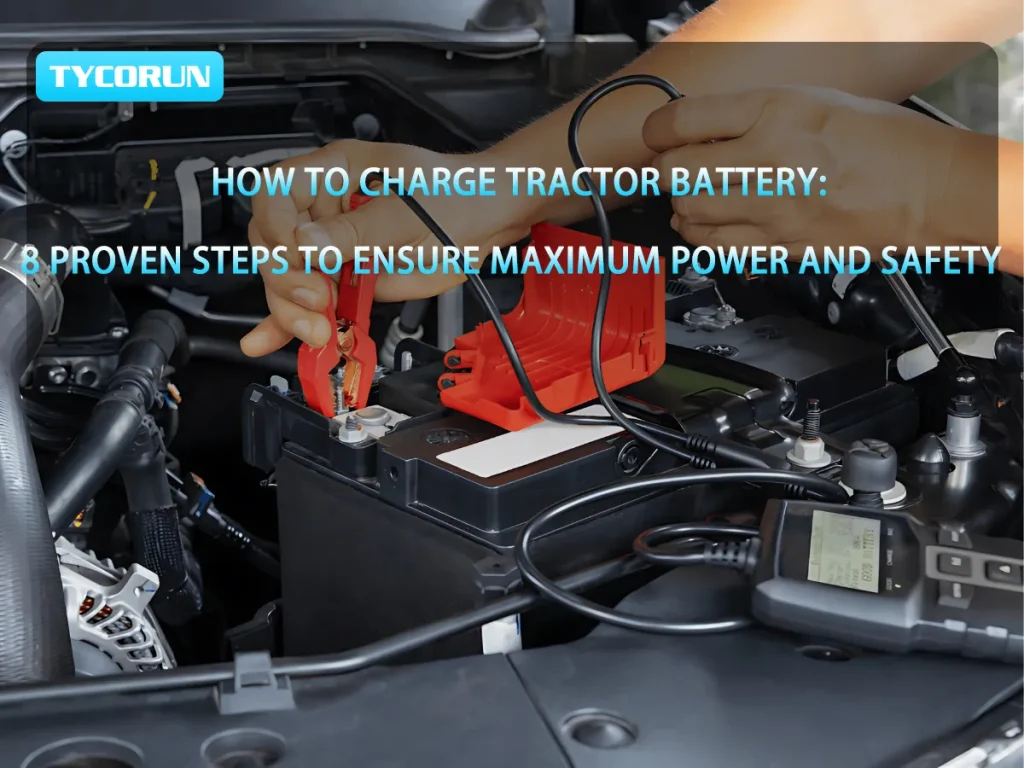
Start by connecting the charger clamps to the battery terminals. Attach the red clamp to the positive (+)terminal. Then, connect the black clamp to the negative (-)terminal. Ensure the connections are secure and clean. This prevents sparks and bad contact.
Set the charger to the correct mode. Choose a low amperage settingfor a slow and safe charge. A setting between 2 to 10 ampsworks well for most dead generator batteries. Select the proper voltage, usually 12 volts. Check the charger instructions for details.
Charging time varies based on battery size and charge level. It can take 4 to 24 hours. Avoid overcharging by monitoring the process. Many chargers have an automatic shutofffeature to prevent damage. Unplug the charger when the battery is fully charged.

Credit: ipowerqueen.com
Post-charging Checks
After charging, test the battery voltage using a multimeter. The voltage should read around 12.6 voltsor higher for a fully charged 12V battery. A reading below 12.4 voltsmeans the battery may need more charging or replacement.
Check the battery terminals for corrosion or dirt. Clean them carefully with a wire brush or sandpaper. This ensures a good connection when reinstalling.
Place the battery back into the generator securely. Make sure the terminals are connected correctly: positive to positiveand negative to negative. Tighten the clamps firmly but do not overtighten.
Start the generator to see if it runs smoothly. If it struggles, the battery may still be weak or the generator might need service.
Tips To Extend Battery Life
Regular maintenance keeps a generator battery healthy and strong. Check the battery terminals for dirt or corrosion often. Clean them with a mixture of baking soda and water. Tighten loose connections to avoid power loss. Test the battery voltage monthly with a multimeter to ensure it holds charge well.
Proper storage practices help prevent battery damage. Store the battery in a cool, dry place away from direct sunlight. Avoid freezing temperatures as they can harm the battery cells. Disconnect the battery if the generator will not be used for a long time. Charge the battery every few weeks to keep it active and ready.
When To Replace The Battery
A generator battery needs replacement if it won’t hold a charge after recharging. Signs include slow engine start or dim lights. Regular checks help spot battery wear early.
Signs Of Irreparable Damage
Battery won’t hold chargedespite multiple recharges. Acid leaks or corrosion on terminals. Cracked or swollen battery case. Battery is very old, over 3-5 years. Engine struggles to start the generator. Dim lights or weak power output. Strange odors coming from the battery. These signs show the battery may be beyond repair.
Choosing A New Battery
Match battery voltage with your generator. Check the size fits the battery compartment. Pick a battery with good cold-cranking amps (CCA). Look for maintenance-free or sealed types for ease. Buy from a trusted brand for safety and reliability. Compare warranties for better protection. Remember to safely dispose of the old battery.

Credit: www.youtube.com
Frequently Asked Questions
How Do I Know If My Generator Battery Is Dead?
Check if the generator won’t start or shows low power. Use a multimeter to test battery voltage. Below 12. 4 volts usually means the battery is dead or needs charging.
What Are The Safest Ways To Recharge A Dead Generator Battery?
Use a compatible battery charger with correct voltage and current settings. Disconnect the battery before charging. Avoid sparks, wear safety gear, and charge in a well-ventilated area to prevent hazards.
Can A Dead Generator Battery Be Revived Without Replacement?
Yes, if the battery is not physically damaged, slow charging with a smart charger can revive it. However, severely damaged or old batteries may require replacement for reliable performance.
How Long Does It Take To Recharge A Dead Generator Battery?
Charging time varies by battery size and charger type. Typically, it takes 4 to 12 hours using a standard charger. Smart chargers may adjust time automatically for optimal charging.
Conclusion
Recharging a dead generator battery is simple with the right steps. Always check the battery condition before starting. Use a proper charger and follow safety rules. Keep the battery clean and dry to avoid issues. Regular maintenance helps your generator work longer.
Taking care of the battery saves time and money. A good battery means your generator runs when needed. Stay prepared and avoid surprises during power outages. Easy to do, worth the effort every time.