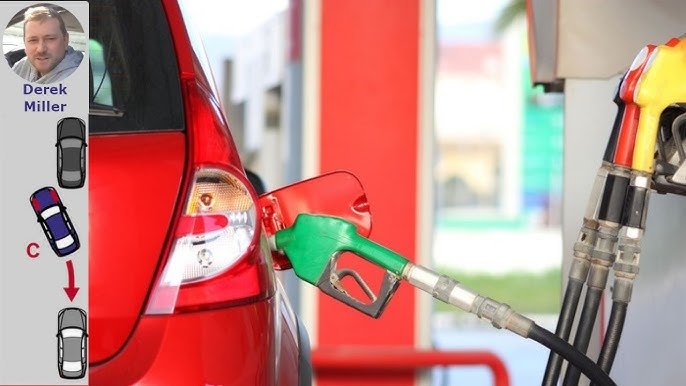
Imagine you’re out on a road trip, miles away from the nearest gas station, and suddenly, you find yourself running low on fuel. Knowing how to refill your fuel can safely can be a lifesaver in such situations.
But, did you know that improper refilling could lead to dangerous accidents? Your safety is paramount, and mastering this simple yet crucial task is easier than you might think. In this guide, you’ll discover straightforward steps to ensure you refill your fuel can without any hiccups.
Stay with us, because understanding these essential safety measures could protect you from potential hazards and keep your journey smooth and worry-free.
Choosing The Right Fuel Can
Choosing the right fuel canmeans picking the best material, size, and safety features. Fuel cans come in different materialslike plastic and metal. Plastic cans are light and easy to carry. Metal cans are strong and last longer but can be heavy.
| Material | Pros | Cons |
|---|---|---|
| Plastic | Lightweight, resistant to rust | Less durable, can crack |
| Metal | Strong, durable | Heavy, can rust if not coated |
Size and capacity matter too. Choose a size that fits your needs but is easy to handle. Safety certifications like ULor DOTensure the can meets safety rules. Always check for these marks before buying.

Credit: www.reddit.com
Preparing For Fuel Refilling
Choose an open area away from flames and sparks. Avoid enclosed spaces to prevent dangerous fumes buildup. Keep the fuel can on a flat surface to stop spills.
Check the fuel can for cracks, holes, or leaks. Damaged cans can cause spills and fires. Replace any can that shows damage before refilling.
- Wear gloves to protect your skin from fuel.
- Use safety goggles to shield your eyes.
- Wear long sleeves and pants to avoid fuel contact.
Steps For Safe Fuel Refilling
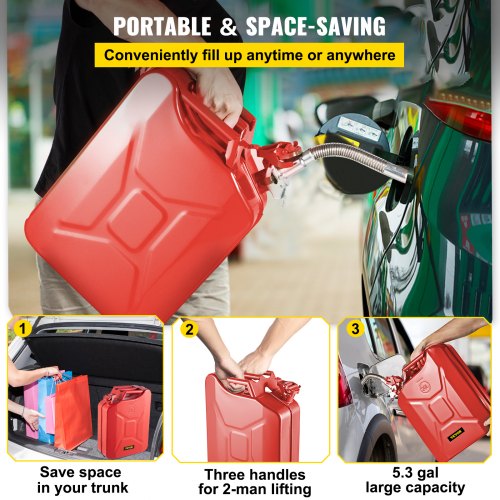
Grounding the fuel canstops static sparks. Place the can on the ground before filling. Avoid filling fuel cans inside vehicles or on truck beds. Touch the nozzle to the can’s opening to keep the flow steady and safe.
Using the correct nozzlehelps control fuel flow. Choose a nozzle designed for your fuel can. This prevents spills and reduces fumes. Make sure the nozzle fits tightly to avoid leaks.
Filling slowly and steadilylowers risks of splashes. Pour fuel at a gentle pace. This helps prevent overflow and fire hazards. Never rush the filling process. Stay alert and ready to stop.
Credit: www.vevor.com
Avoiding Common Hazards
Static electricity can cause sparks and fires during fuel refills. Always touch a metal part of your vehicle or the fuel can to ground static charges before opening the cap. Use a grounding strap if possible. Avoid filling fuel in dry, windy conditions where static builds easily.
Spills can be dangerous and harmful to the environment. Keep a rag or absorbent material nearby to clean spills immediately. Never use water to clean gasoline spills; use special absorbents. Dispose of soaked materials safely to prevent fire risks.
Keep fuel cans away from flames, sparks, or hot surfaces at all times. Never smoke near fuel or fuel cans. Avoid using phones or electrical devices close to fuel to reduce ignition risks.
Storing Fuel Cans Safely
Store fuel cans in a place with proper ventilation. This helps avoid buildup of dangerous fumes. Use a well-ventilated shed or outdoor area. Avoid storing fuel in closed rooms or basements.
Keep fuel cans away from extreme temperaturechanges. High heat may cause fuel to expand and leak. Cold can make the fuel less effective. Store cans in a cool, dry place.
| Labeling | Accessibility |
|---|---|
| Clearly mark each can with the type of fuelinside. | Keep cans where they are easy to reach but away from children and pets. |
| Use waterproof labels to avoid damage. | Do not block exits or pathways with fuel cans. |
Disposing Of Old Or Damaged Fuel Cans
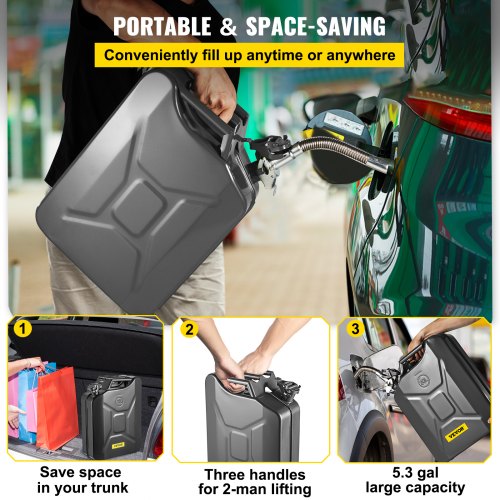
Old or damaged fuel cans must be handled carefully to avoid harm. Local rules often guide how to dispose of these safely. Many places have special collection centers for hazardous waste. It is important to check local disposal regulations before throwing away fuel cans.
Recycling options can vary. Some centers accept fuel cans for recycling after safe cleaning. This helps reduce waste and protect the environment. Using authorized recycling programs is always safer than throwing cans in regular trash.
Environmental considerations are very important. Fuel can leaks cause soil and water pollution. Do not pour old fuel or residues down drains or on the ground. Proper disposal prevents harm to animals, plants, and people.
Credit: www.vevor.com
Frequently Asked Questions
How Do I Safely Refill A Fuel Can?
Always place the fuel can on the ground before refilling. Avoid static electricity by grounding the can. Fill slowly and do not overfill to prevent spills and fire hazards.
What Safety Gear Is Needed During Refilling?
Wear gloves and safety glasses to protect your skin and eyes. Ensure you are in a well-ventilated area to avoid inhaling fumes. Avoid smoking or open flames nearby.
Can I Refill Fuel Cans Indoors?
No, always refill fuel cans outdoors or in well-ventilated areas. This reduces the risk of inhaling harmful fumes and prevents fire hazards. Indoor refilling increases danger significantly.
How To Prevent Static Electricity When Refilling Fuel?
Place the fuel can on the ground before filling to discharge static. Avoid filling fuel cans inside vehicles or truck beds. Use grounding straps if available to minimize static risk.
Conclusion
Refilling a fuel can safely protects you and others nearby. Always use a clean, approved container for fuel storage. Keep the area well-ventilated and away from flames. Avoid overfilling to prevent spills and leaks. Handle fuel with care and wash hands afterward.
Following these simple steps reduces risks and keeps everyone safe. Safety should always come first when dealing with fuel. Stay alert and take your time during the process. Safe habits make a big difference every time.