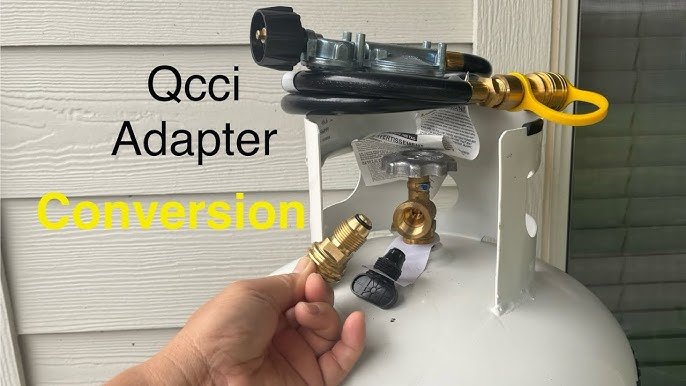
Are you tired of running out of power just when you need it the most? If your generator runs on propane, knowing how to refill its tank can save you from unexpected blackouts.
Imagine the relief of having a continuous power supply during critical moments. In this guide, you’ll discover simple, step-by-step instructions on how to safely and efficiently refill your propane tank for your generator. No more guessing games or last-minute trips to the store.
With this knowledge, you’ll ensure your generator is always ready to keep your lights on and your home running smoothly. Stay with us and empower yourself with the confidence to handle your generator’s fuel needs like a pro.

Credit: vocal.media
Propane Tank Basics
Propane tanks come in different sizesand shapes. Common types include 20-pound cylindersfor grills and larger tanksfor home use. Portable tanks are easy to carry and refill. Larger tanks usually stay in one place and need professional refilling.
Each tank has a valveto connect to the generator or fill station. Always check the tank’s expiration dateand condition before refilling. A damaged tank can be unsafe.
- Use tanks made for propane only.
- Never use a tank with rust or dents.
- Keep tanks upright during storage and refill.
- Check for leaks using soapy water on connections.
Always refill tanks outdoors or in well-ventilated places. Wear gloves and eye protection for safety. Never smoke or use a phone near propane tanks. Turn off the generator and close the tank valve before refilling.

Credit: www.youtube.com
Tools And Equipment Needed
Protective gearis essential for safety. Wear glovesto protect hands from cold and fuel. Use gogglesto shield eyes from splashes. A long-sleeve shirtand pants protect skin from contact with propane.
Refilling toolsinclude a propane refill hosedesigned for safe transfer. A fuel gaugehelps monitor tank levels. Keep a wrenchhandy to tighten connections securely. Have a fire extinguishernearby in case of emergencies.
Preparing The Tank
Before refilling a propane tank, inspect it carefully. Look for any dents, rust, or cracks. These can cause leaks or accidents. A damaged tank should never be used.
Check the valve and connectionsfor any signs of wear or damage. Make sure the valve opens and closes smoothly. Tighten any loose connections but do not force them.
- Look for dirt or debris around the valve.
- Clean the valve with a dry cloth if needed.
- Ensure the safety cap is in place when not refilling.
Always work in a well-ventilated areaaway from flames or sparks. Safety first.
Refilling Process
Locate a refill stationnear your home or store. Many hardware stores and gas stations offer propane refills. Check their hours before going. Make sure the station is certified for safe refilling.
Before connecting, turn off all appliancesusing propane. Remove the tank from the generator carefully. Place the tank on a flat surface to avoid tipping.
Connect the tank to the refill nozzle by tightening the connection securely. Do not force the connection. A loose or tight fit can cause leaks.
- Wear gloves to protect your hands.
- Keep away from open flames or sparks.
- Open the valve slowly to avoid spills.
- Listen for hissing sounds that may show leaks.
- Do not overfill; propane expands when warm.
Post-refill Checks
Check for leaksafter refilling the propane tank. Use a soap and water solution on the valve and connections. Bubblesshow a leak. Never use a flame to test for leaks.
Store the propane tank in a cool, dry place. Keep it away from heat sources and direct sunlight. Always store the tank upright to avoid spills.
| Check | How to Do It | Why It Matters |
|---|---|---|
| Leak Detection | Apply soap solution on valve and connections | Prevents dangerous gas leaks |
| Proper Storage | Keep tank upright in cool, dry place | Keeps tank safe and extends its life |

Credit: www.thebookofsail.com
Common Mistakes To Avoid
Never fill a propane tank in a closed space. Always refill outdoors to avoid gas buildup.
Check the tank for leaks before refilling. Use soapy water to find bubbles.
Do not overfill the tank. Leave space for gas expansion to prevent accidents.
Make sure the valve is off before connecting the hose. This stops gas leaks.
- Use the correct type of propane tank for your generator.
- Keep away from flames or sparks during refilling.
- Wear gloves to protect your hands from cold gas.
- Do not force connections; this can cause damage or leaks.
Frequently Asked Questions
How Do I Safely Refill A Propane Tank For My Generator?
Always turn off the generator and close the propane valve. Use a certified refill station and avoid overfilling. Check for leaks with soapy water after refilling to ensure safety. Follow local regulations and manufacturer guidelines strictly.
Where Can I Refill My Propane Tank For A Generator?
You can refill your propane tank at gas stations, hardware stores, or propane distributors. Always confirm they offer certified refilling services. Some locations provide exchange services for convenience. Check online for nearby refill stations.
How Long Does A Propane Tank Last In A Generator?
A standard 20-pound propane tank typically powers a generator for 8-10 hours. Usage time varies with generator size and load demand. Always monitor fuel levels during extended use to avoid unexpected shutdowns.
Can I Refill A Propane Tank At Home For My Generator?
Refilling a propane tank at home is not recommended due to safety risks. Propane requires specialized equipment and certification. It’s best to use professional refill stations to ensure proper handling and safety compliance.
Conclusion
Refilling a propane tank for your generator is simple and safe. Always check for leaks before use. Keep your tank in a cool, ventilated place. Follow all safety steps carefully each time. Regular refills help your generator run smoothly. Stay prepared, especially during power outages.
Taking these easy steps saves time and worry. Now you know how to refill your propane tank right. Keep your generator ready to work whenever needed.