Imagine this: a storm hits, the power goes out, and you’re relying on your dual fuel generator to keep your home running smoothly. But what happens when it’s time to refuel?
Knowing how to refuel a dual fuel generator safely is crucial—not just for maintaining your generator’s performance, but for ensuring the safety of your home and loved ones. You might be wondering, “What’s the best way to do this without risking an accident?
” That’s exactly what you’ll discover in this guide. You’ll learn practical steps that are easy to follow, ensuring you can handle refueling confidently and safely, without any unnecessary stress or risk. So, let’s dive in and make sure you’re prepared for any power outage with peace of mind.
Credit: www.outdoorlife.com
Safety Precautions
Ensure the generator is off and cool before refueling. Use a funnel to avoid spills, and keep flammable materials away. Always refuel in a well-ventilated area to prevent inhaling fumes.
Protective Gear
Always wear protective gearwhen refueling the generator. This includes safety goggles and gloves. They keep your eyes and hands safe. Use a long-sleeved shirt to protect your arms. It’s important for your safety.
Ventilation Requirements
Ensure the area has good ventilation. Generators produce fumes. These fumes can be harmful. Keep doors and windows open. Fresh air is important. It helps prevent breathing problems.
Fire Safety Measures
Keep a fire extinguishernearby. Make sure it works well. Never refuel near open flames. Sparks can cause a fire. Check for fuel spills. Clean them immediately. Safety comes first.

Credit: westinghouse.com
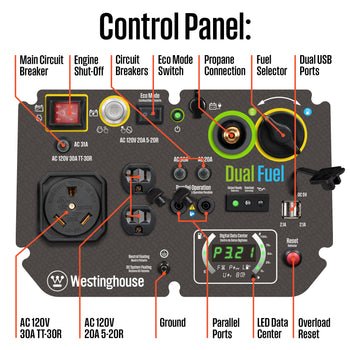
Understanding Dual Fuel Generators
To refuel a dual fuel generator safely, first, turn off the generator and let it cool. Check for any fuel leaks before proceeding. Use a funnel to pour fuel into the tank slowly. Avoid overfilling to prevent spills. Secure the fuel cap tightly to ensure safety.
Fuel Types
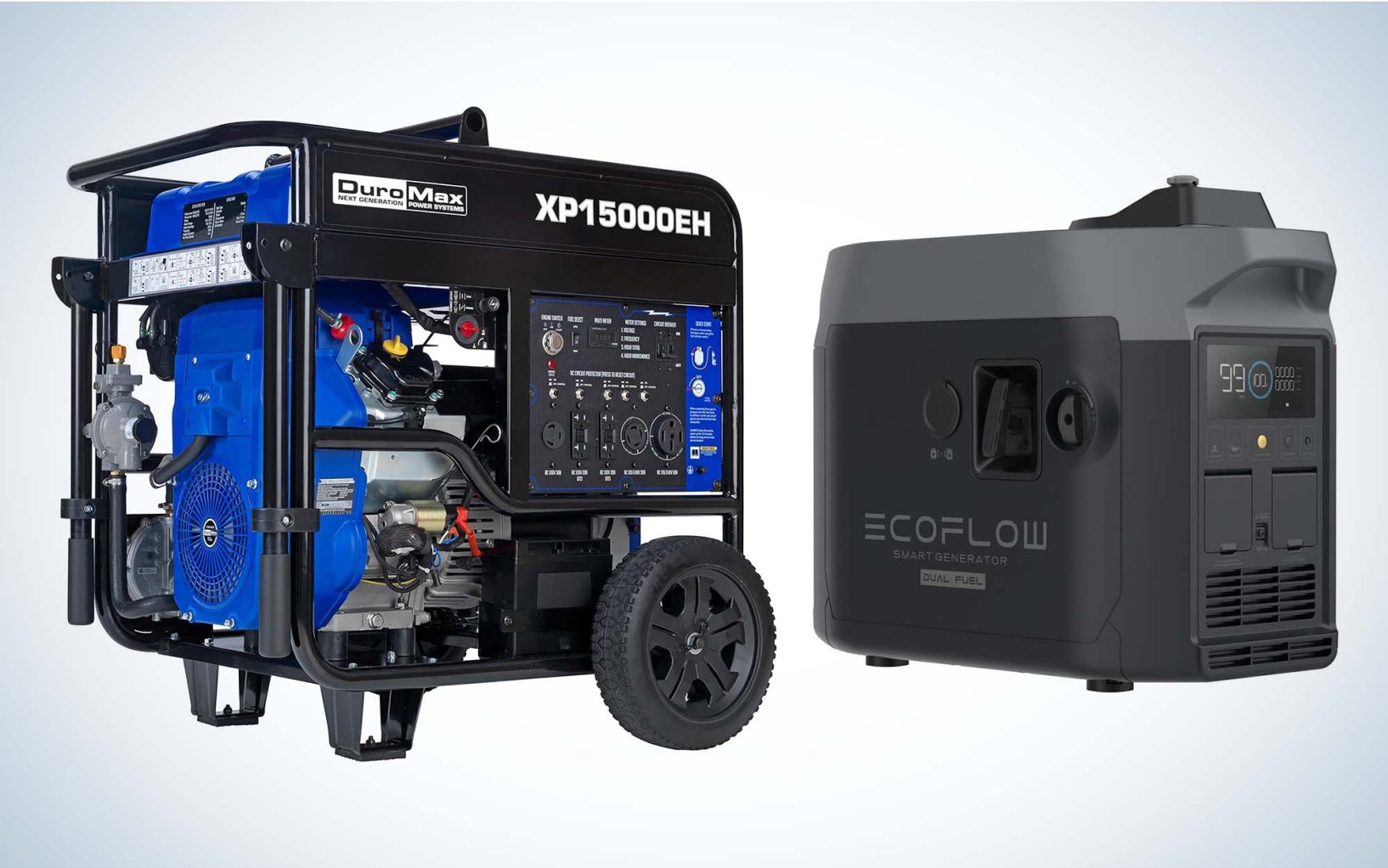
Dual fuel generators use two types of fuel. These are gasolineand propane. Gasoline is easy to find. Propane is cleaner and lasts longer. You can switch between fuels easily. This makes the generator more flexible. Choosing the right fuel is important. Each fuel has its pros and cons. Gasoline gives more power. Propane is safer to store. Pick the fuel that suits your needs best.
Mechanism Of Operation
Dual fuel generators work in a special way. They have two fuel tanks. One for gasoline, one for propane. The engine uses both fuels to run. Switching fuels is easy. Just turn a knob or press a button. This helps when one fuel runs out. The engine is designed to handle both fuels. This gives more options and keeps the generator running smoothly.
Fuel Handling And Storage
Store fuel in a cool, dry place. Use approved containers only. Keep fuel away from heat sources. Ensure containers are tightly sealed. Label containers clearly for safety. Store fuel off the ground. Check containers for leaks often.
Fuel can go bad over time. Use fuel stabilizers to extend life. Check fuel before using. Fresh fuel works best for generators. Old fuel can harm engines. Replace old fuel regularly.
Contaminated fuel causes problems. Keep dirt and water out of fuel. Use clean funnels when refueling. Seal containers immediately after use. Inspect fuel for particles before using. Proper storage prevents contamination.
Step-by-step Refueling Process
Ensure the generator is off and cool before refueling. Choose a well-ventilated area for safety. Use the appropriate fuel type, and fill the tank carefully to avoid spills.
Shutting Down The Generator
Always ensure the generator is completely turned off. Wait for a few minutes before proceeding. This allows the generator to cool downand prevents accidents. Safety first.
Checking Fuel Levels
Open the fuel cap carefully. Check the fuel gauge to determine current levels. Ensure you have enough space for new fuel. Avoid overfilling.
Refueling Procedure
- Use a suitable fuel container.
- Pour fuel slowlyto avoid spills.
- Ensure the fuel cap is securely closedafter refueling.
- Clean any spills immediately.
Check for leaks before restarting the generator. Follow these steps to stay safe.
Post-refueling Checks
Ensure the generator is turned off and cooled before refueling. Check for leaks and securely fasten fuel caps. Inspect connections and hoses for wear or damage, ensuring a safe operation.
Inspecting For Leaks
Check the generator for any fuel spills. Look around the tank and connections. If you see wet spots, there might be a leak. Use a flashlight to check in dark areas. Smell for gasoline odor around the machine. Leaks can be dangerous. Fix them before starting the generator. Tighten any loose connections carefully. Ensure the fuel cap is secure. Check the hoses for cracks or damage.
Restarting The Generator
Turn the generator switch to the “on” position. Make sure all controls are set right. Pull the starter cord gently. Listen for the engine to start. If it doesn’t start, check fuel levels again. Make sure there’s enough fuel. Also, check the choke position. Adjust it if needed. Once running, listen for unusual noises. If the generator sounds strange, turn it off immediately.

Credit: www.rvmp.co
Maintenance Tips
Check the generator for any visible damage. Make sure all parts are working. Look for loose screws or bolts. Tighten them if needed. Inspect the fuel lines for leaks. Replace any damaged parts. Ensure air filters are clean. Change them if they are dirty. Regular checks keep your generator safe.
Keep the generator clean. Dust can cause problems. Wipe it with a soft cloth. Avoid using too much water. Clean the fuel tank often. Remove old fuel to prevent clogs. Check the oil level regularly. Add oil if it’s low. A clean generator works better and lasts longer.
Emergency Situations
Refueling a dual fuel generator requires careful handling to ensure safety. Turn off the generator and allow it to cool. Use appropriate containers and avoid spills to prevent hazards.
Handling Spills
Spills can happen. Act fast to prevent danger. Use a cloth to wipe the spill. Don’t touch with bare hands. Avoid fire near the spill. Dispose of the cloth carefully.
First Aid Measures
Stay calm during accidents. Call for help if needed. Wash skin if fuel touches it. Avoid rubbing your eyes. Seek medical care if feeling unwell.
Frequently Asked Questions
Is It Safe To Fill A Generator With Gas While It’s Running?
Filling a generator with gas while it’s running is unsafe. It can cause fires or explosions. Always turn off the generator before refueling. This minimizes the risk of accidents and ensures your safety. Proper handling and maintenance are crucial for safe generator operation.
What Is The Disadvantage Of A Dual Fuel Generator?
Dual fuel generators can be more expensive and complex than single fuel models. Maintenance requirements might increase due to two fuel systems. Fuel efficiency may vary, leading to higher running costs. Performance can decrease if switching fuels isn’t seamless. Regular checks are essential to ensure reliability.
How To Safely Refuel A Generator?
Turn off the generator and let it cool. Use a funnel to avoid spills. Keep fuel away from sparks or flames. Refuel in a well-ventilated area. Secure the fuel cap tightly after refueling.
How Long To Let A Generator Cool Before Refueling?
Let the generator cool for at least 15-20 minutes before refueling. This prevents fuel ignition. Always ensure the generator is off and in a well-ventilated area during refueling. Prioritize safety by checking for leaks and using a funnel to avoid spills.
Conclusion
Refueling a dual fuel generator safely is essential. Always follow the manufacturer’s guidelines. Use the correct fuel type and store it properly. Avoid spills and ensure proper ventilation. Keep the generator off and cool before refueling. This reduces fire risks.
Regular maintenance checks can prevent issues. Proper handling ensures a longer generator life. Safety measures protect you and your equipment. Stay informed and prioritize safety. With careful attention, your generator will run smoothly. Remember, safe practices safeguard your investment and peace of mind.