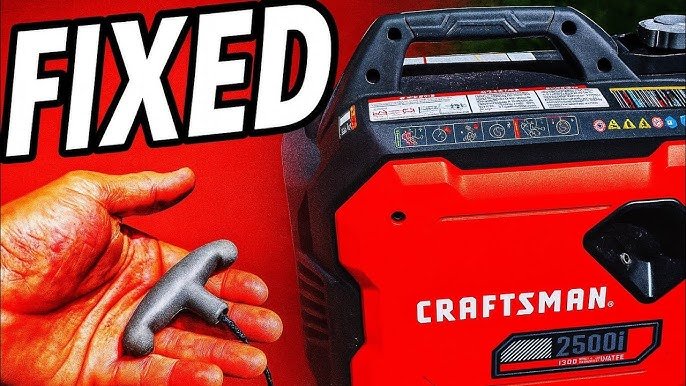
Are you frustrated with a damaged generator cord? You’re not alone.
Many people face this common issue, and the good news is, you can fix it yourself. Imagine having the power restored to your generator without the hassle of hiring an expensive repair service. You’ll discover simple steps to repair your generator cord, saving you time and money.
Whether you’re a seasoned DIY enthusiast or a complete beginner, this guide is crafted to make the process easy and stress-free. Ready to get started and bring your generator back to life? Let’s dive into the details and empower you with the knowledge you need.
Identify Cord Damage
Check the cord carefully for cuts, frays, or cracks. These signs show the cord is worn out.
Look for discoloration or melted spots. They might mean the cord got too hot.
- Use a multimeterto test for electric flow.
- Set the meter to continuity mode.
- Touch the probes to each end of the cord.
- No beep means broken wire inside.
Always make sure the cord is unpluggedbefore testing. Safety first!

Credit: www.reddit.com
Gather Essential Tools
Essential tools like wire cutters, electrical tape, and a screwdriver make repairing a generator cord easier. Having everything ready saves time and ensures a safer fix.
Safety Gear
Safety is keywhen working with electrical cords. Wear insulated glovesto protect your hands from shocks. Safety glasses help guard your eyes from sparks or debris. Use a dust maskif you work in dusty areas. Make sure your workspace is dry and well-lit. Never skip safety gear to avoid accidents.
Repair Materials
Prepare the right tools and materials. You need electrical tapeto wrap the cord. Wire strippershelp remove the outer insulation carefully. A screwdrivermay be needed to open plugs or connectors. Use heat shrink tubingto cover repaired spots for extra protection. Keep a multimeterhandy to test the cord after fixing. These items make repair easier and safer.
Disconnect Power Safely
Always disconnect the generator from powerbefore starting any repair. This helps avoid electric shockand injury. Unplug the cord from both the generator and the device it powers. Make sure the generator is turned off and cool to touch. Check that no power is running through the cord using a voltage tester. Wear protective glovesand avoid working in wet areas. Safety first. Never skip these steps to protect yourself and others.

Credit: www.youtube.com
Strip And Prepare Wires
Cut out the broken part of the generator cord carefully. Use wire cutters to remove the damaged section cleanly. Make sure the cut is straight and even.
Use a wire stripper to remove the outer insulation. Be gentle to avoid cutting the inner wires. Expose about 1 inch of the copper conductors on each wire.
- Check that the copper wires are not frayed or broken.
- Twist the copper strands tightly to keep them neat.
- Prepare both ends of the cord for reconnecting.
Repair Wire Connections
Start by stripping the damaged wire ends carefully. Twist the exposed copper wires tightly together for a strong connection. Use a soldering iron to apply solder on the twisted wires. This ensures a solid and lasting bond. Let the solder cool and harden before moving on.
Wire connectors are a good alternative to soldering. Insert the twisted wires into the connector and twist the connector until tight. This keeps the wires secure and insulated. Choose the right size connector for your wire thickness. Always check the connection strength before use.
Apply Insulation
Start by cleaning the damaged area of the cord well. Make sure there is no dirt or moisture. Wrap the exposed wires tightlywith good quality electrical tape. Overlap the tape as you wrap to cover the entire damaged part fully. This helps to prevent electrical shocks and shorts.
For extra protection, use heat shrink tubing. Slide the tubing over the taped area. Use a heat gun or hair dryer to shrink it tightly around the cord. This adds strength and insulationto the repair. It also keeps the tape in place for longer.
Test The Repaired Cord
Check the repaired cord for continuityusing a multimeter. Place the probes on each end of the cord. A beep or zero resistance means the wire is connected well. No beep or high resistance shows a break or poor repair.
Perform a load testby plugging the cord into the generator and connecting a device. Turn on the generator and device. If the device works without flickering or power loss, the cord is fixed properly. Watch for any heat or sparks while testing. Stop immediately if anything looks unsafe.
Prevent Future Damage
Keep the generator cord dry and away from sharp objects. Store it coiled loosely to avoid kinks or breaks. Avoid placing heavy items on the cord.
Check the cord regularly for cuts or wear. Clean dirt and debris gently with a soft cloth. Replace damaged cords promptly to prevent accidents.
| Proper Storage Tips | Routine Maintenance |
|---|---|
|
|

Credit: www.youtube.com
Frequently Asked Questions
How Can I Safely Repair A Damaged Generator Cord?
First, unplug the generator and inspect the cord carefully. Use electrical tape for minor cuts or replace the cord if severely damaged. Always wear insulated gloves and avoid water during repair to ensure safety.
What Tools Are Needed To Fix A Generator Cord?
You need wire strippers, electrical tape, a screwdriver, and replacement wire or connectors. These tools help you cut, strip, and safely reconnect the damaged parts.
Can I Repair Frayed Generator Cords Myself?
Yes, if the damage is minor and you follow safety steps. For extensive damage or internal faults, seek professional help to avoid hazards.
How Do I Prevent Future Generator Cord Damage?
Avoid running cords over sharp edges, keep them dry, and store them properly. Regular inspection and using heavy-duty cords also reduce damage risks.
Conclusion
Repairing a damaged generator cord keeps your equipment safe and working. Always check the cord for cuts or frays before use. Use proper tools and follow safety steps during repair. A well-fixed cord prevents shocks and power loss. Regular care helps avoid future problems.
Stay cautious and confident when handling electrical repairs. This simple fix can save time and money. Keep your generator ready for any power need. Safety first, every step of the way.