
Are you facing issues with your generator connector and wondering how to replace it safely? You’re not alone.
Many people find themselves in a similar situation, and the thought of tackling this task might feel daunting. But here’s the good news: replacing a generator connector doesn’t have to be complicated. In fact, with the right guidance, you can do it yourself with confidence and ease.
Imagine the peace of mind you’ll have knowing your generator is functioning properly and safely, ready to provide power whenever you need it. Intrigued? Keep reading to discover the step-by-step process that ensures both your safety and your generator’s optimal performance.

Credit: www.reddit.com
Tools And Materials Needed
Essential tools include insulated gloves, wire cutters, a screwdriver, and a voltage tester. Materials like replacement connectors and electrical tape ensure a secure and safe connection. Proper preparation helps avoid accidents during the replacement process.
- Replacement generator connectorsuitable for your generator model
- Voltage testerto ensure no power flow
- Screwdrivers(flathead and Phillips)
- Wire strippersfor clean wire ends
- Electrical tapeto secure connections
- Wire nutsor connectors for safe joining
- Safety glovesto protect your hands
- Multimeterto check electrical continuity
- Flashlightfor better visibility
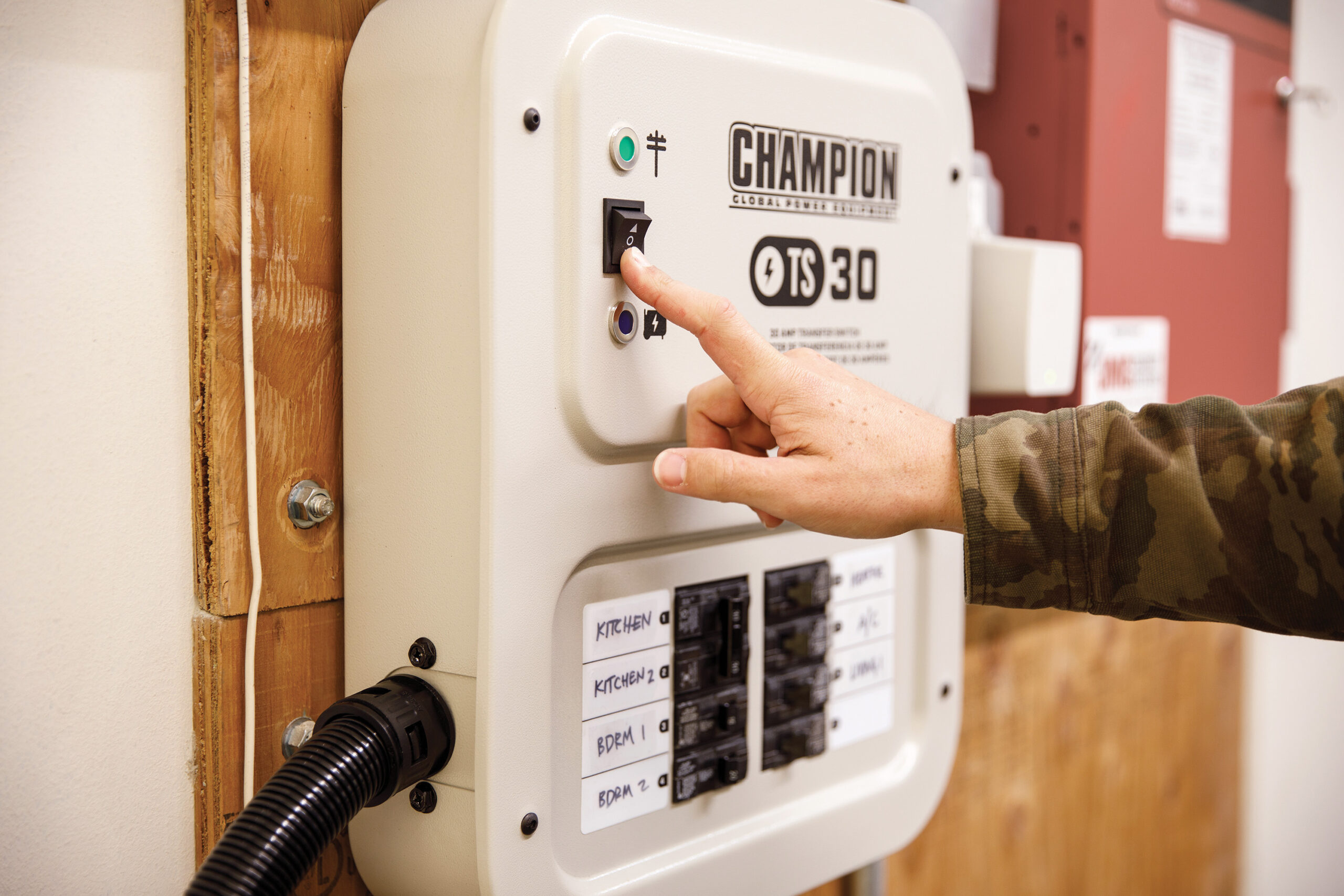
Credit: www.championpowerequipment.com
Safety Precautions Before Starting
Before starting, turn off the generatorand unplug it from the power source. Always wear insulated glovesto protect your hands. Make sure the area is dryto avoid any electric shock. Use tools with insulated handlesfor safety. Never work alone; have someone nearby in case of emergency. Check if the generator is coolbefore touching any parts. Keep a fire extinguisherclose, just in case. Avoid wearing loose clothes or jewelry that can get caught. Make sure the work area is well lit and clean. Follow the manufacturer’s safety instructions carefully. Safety first—always.
Disconnecting The Old Generator Connector
Turn off the generatorcompletely before starting any work. This stops electricity flow and keeps you safe. Wait a few minutes to let the generator cool down. Touching a hot generator can cause burns.
Locate the old connectorattached to the generator. Use a screwdriver or pliers to loosen any screws or bolts holding it in place. Carefully pull the connector away from the generator. Avoid pulling on the wires directly.
- Ensure power is off to avoid shocks.
- Wear gloves to protect your hands.
- Keep tools handy for easy removal.
Selecting The Right Replacement Connector
Check the generator modeland the connector typeneeded. Connectors vary by size, shape, and power rating. Using the wrong connector can cause damageor dangerous situations.
Choose connectors made from durable materialslike copperor heavy-duty plastic. These materials last longer and resist heatand wear. Avoid cheap or thin materials that can failquickly.
- Match voltageand amperageratings exactly.
- Look for weather-resistantor waterproofconnectors if used outdoors.
- Inspect the old connector for damage signsto choose a better replacement.
Preparing The Generator And Wires
Check the wiring for any damageor corrosion. Clean the connectors carefully using a wire brushor cloth. This helps ensure a good connectionand safe operation.
Use a wire stripperto remove the insulation from the wire ends. Strip about 1/2 inchof insulation for a proper fit. Avoid cutting or nicking the wire strands, as this can weaken the connection.

Credit: www.youtube.com
Installing The New Connector
Attach each wire to the correct connector terminal. Match the wire color to the terminal label. Use a screwdriver to tighten screws firmly. Loose wires can cause sparks or power loss.
Check all connections twice. Make sure no wire strands are loose or touching others. Neat wiring prevents short circuits and keeps the generator safe.
Place the connector housing over the wires carefully. Align it so that no wires get pinched or bent. Secure the housing screws tightly to hold everything in place.
A secure housing protects the wires from dirt and moisture. This helps the connector last longer and work better.
Testing The New Connection
Verify electrical continuityusing a multimeter. This ensures the wires connect properly. Set the multimeter to continuity mode. Touch the probes to each wire end. A beep or zero resistance shows a good connection. No sound or high resistance means a problem. Check all connections this way. This step helps avoid shorts or breaks in the circuit.
Perform a load testto confirm the connector works under power. Connect the generator to a small appliance or tool. Turn on the generator and the device. Watch for steady power without flickers or shutdowns. If the device runs smoothly, the connection is strong. If it cuts off or sparks appear, double-check wiring and tightness. This test prevents damage to your generator and devices.
Maintaining Your Generator Connector
Regular inspections keep your generator connector working well. Check for any cracks, loose wires, or burn marks. These signs show the connector needs fixing or replacing soon.
Unplug the generator before inspecting. Use a flashlight to see all parts clearly. Tighten any loose screws or connections carefully.
- Look for frayed wiresthat can cause short circuits.
- Check if the connector fits snugly and is not loose.
- Ensure no corrosionor rust on metal parts.
Preventive care helps avoid sudden failures. Keep the connector clean and dry at all times. Store the generator in a dry placeto stop moisture damage. Use a cover to protect it from dust and dirt.
Frequently Asked Questions
How Do I Safely Disconnect A Generator Connector?
First, turn off the generator and unplug it from the power source. Use insulated tools to avoid electric shock. Always wear safety gloves and goggles. Double-check that no power is flowing before proceeding to disconnect the connector.
What Tools Are Needed To Replace A Generator Connector?
You need insulated screwdrivers, wire strippers, a voltage tester, and electrical tape. Having a multimeter helps verify connections. Safety gear like gloves and goggles is essential. These tools ensure a secure and safe replacement process.
Can I Replace A Generator Connector Myself?
Yes, if you understand electrical systems and follow safety protocols. Always turn off power and use insulated tools. If unsure, consult a professional electrician to avoid risks and ensure proper installation.
How Do I Choose The Right Replacement Connector?
Match the connector type and rating to your generator’s specifications. Check voltage, current capacity, and plug style. Using the correct connector ensures safety and optimal performance.
Conclusion
Replacing a generator connector needs care and attention. Always turn off power before starting work. Use the right tools and follow safety steps. Check connections twice to avoid any mistakes. Taking your time helps keep you safe. Safe handling protects your home and family.
Now, you can replace connectors with confidence. Stay cautious and work smart for best results.