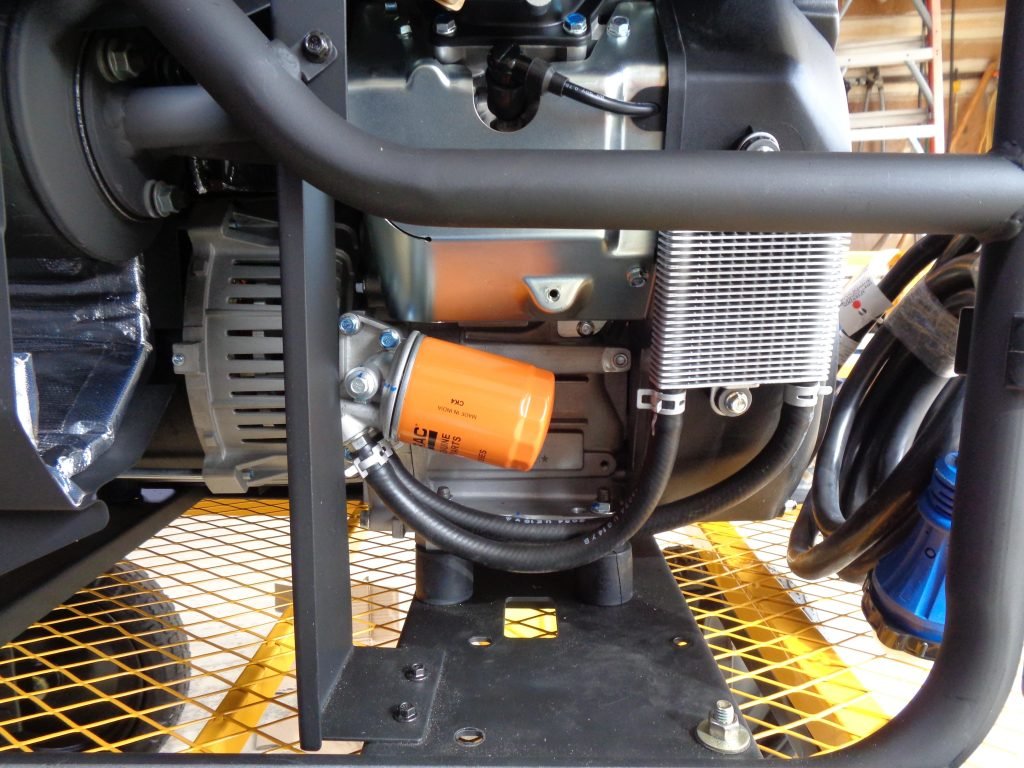
If your generator isn’t running as smoothly as it used to, the fuel filter might be the reason. A clogged or dirty fuel filter can slow down your generator or even cause it to stop working altogether.
But don’t worry—replacing your generator’s fuel filter is easier than you think. You’ll learn simple, step-by-step instructions to get the job done quickly and safely. By the end, you’ll have the confidence to keep your generator running strong whenever you need it most.
Keep reading to find out how!
Signs Of A Clogged Fuel Filter
A clogged fuel filtercan cause several issues in your generator. One sign is reduced engine performance. The engine may run slower or lose power during use. This happens because fuel flow is blocked.
Difficulty starting the generatoris another sign. The engine may take longer to start or fail to start at all. This happens due to poor fuel delivery.
Unusual engine noisescan also indicate a problem. Sounds like sputtering, knocking, or rough idling may occur. These noises happen when the engine struggles to get enough fuel.

Credit: www.reddit.com
Tools And Materials Needed
The replacement fuel filtermust match the generator model. Use a new filterto ensure clean fuel flow.
- Wrenchesare needed to loosen and tighten bolts securely.
- Screwdrivershelp remove clamps and covers safely.
Safety gearis essential. Wear gloves to protect your hands from fuel.
Use safety glasses to shield your eyes from splashes. Work in a well-ventilated area to avoid fumes.
Preparing The Generator
Make sure the generator is offand completely cooled down. This avoids any risk of burns or accidents. Never try to work on a hot engine.
Find the fuel filterby tracing the fuel line from the fuel tank to the engine. The filter is a small, cylindrical part in the line.
Sometimes, it is best to drain some fuelfrom the line to prevent spills. Use a container and catch the fuel safely. This step keeps your work area clean.

Credit: m.youtube.com
Removing The Old Fuel Filter
First, carefully disconnect the fuel linesattached to the old filter. Use a wrench to loosen clamps if needed. Be gentle to avoid fuel spills.
Next, remove the filter mounting. This may involve unscrewing bolts or clips holding the filter in place. Keep the parts safe for reassembly.
Finally, dispose of the old filter properly. Used fuel filters can be harmful to the environment. Take it to a recycling center or follow local hazardous waste rules.
Installing The New Fuel Filter
Check the fuel filter orientationbefore installing. Filters usually have an arrow showing fuel flow direction. Make sure it points the right way to avoid engine issues.
Attach the fuel lines securelyto both ends of the filter. Use clamps to hold lines tightly. Loose connections can cause leaks or air in the fuel system.
Tighten the mounting fixturesfirmly. This keeps the filter stable and prevents vibrations. Avoid overtightening to stop damage to the filter or mounting bracket.
Bleeding Air From The Fuel System
Air must be removed from the fuel system for smooth generator operation. Manual bleeding helps push trapped air out.
- Open the bleed screw on the fuel filter.
- Use a small container to catch fuel and air.
- Pump the primer slowly until fuel flows without bubbles.
- Tighten the bleed screw securely after bleeding.
The priming pump forces fuel through the system. Use it to clear air pockets quickly. Pump several times until the fuel runs steady.
Check all fuel lines and connections for leaks. Look for wet spots or fuel smell. Tighten or replace loose parts to avoid leaks.
Testing The Generator
Start the generator to check its performance after fuel filter replacement. Listen for steady engine soundsand watch the control panel for any warning signs. Monitor the generator for at least 10 minutes.
Look closely around the fuel filter and fuel lines for any signs of leaks. Leaks can cause fuel loss and may lead to damage. Use a clean cloth to wipe around the filter and check for wet spots.
Ensure the generator runs smoothly without sputteringor stalling. A smooth operation means the fuel is flowing well through the new filter. If the engine runs rough, the filter may not be installed correctly or there could be air in the fuel line.
Maintenance Tips For Fuel Filters
Fuel filters need regular replacementto keep the generator running well. A clean filter stops dirt and rust from entering the engine. Change the filter as the manual says or every 6 months.
Using good quality fuelhelps protect the fuel filter. Dirty or old fuel can clog the filter fast. Always buy fuel from trusted sellers and check the expiration date.
Storing the generator properly also helps fuel filters last longer. Keep the generator in a cool, dry place. Run the engine once in a while if not used for a long time. This keeps the fuel fresh and the filter clean.
Credit: www.sailnet.com
Frequently Asked Questions
How Often Should I Replace My Generator Fuel Filter?
Replace your generator fuel filter every 12 months or 500 hours of use. This prevents fuel contamination and ensures optimal engine performance.
What Tools Are Needed To Replace The Fuel Filter?
You need a wrench, screwdrivers, a new fuel filter, rags, and a container to catch fuel spills. Safety gloves are also recommended.
Can I Replace The Fuel Filter Myself Safely?
Yes, you can replace the fuel filter safely by following the manufacturer’s instructions and taking safety precautions to avoid fuel spills and fire hazards.
What Are Signs Of A Clogged Fuel Filter?
Signs include engine misfires, difficulty starting, reduced power, and increased fuel consumption. Replacing the filter can restore proper fuel flow and engine function.
Conclusion
Replacing your generator’s fuel filter is essential. It ensures smooth operation. Start by gathering all necessary tools and materials. Follow each step carefully. Avoid rushing the process to prevent mistakes. Regular maintenance keeps your generator in top shape. It prolongs its life and saves money on repairs.
Always prioritize safety during the replacement. Wearing gloves and eye protection helps. Consult your generator’s manual if needed. A well-maintained generator is reliable and efficient. It provides power during emergencies. Regular checks and replacements are key. Keep your generator ready for any situation.
Stay prepared and ensure your generator works when needed.