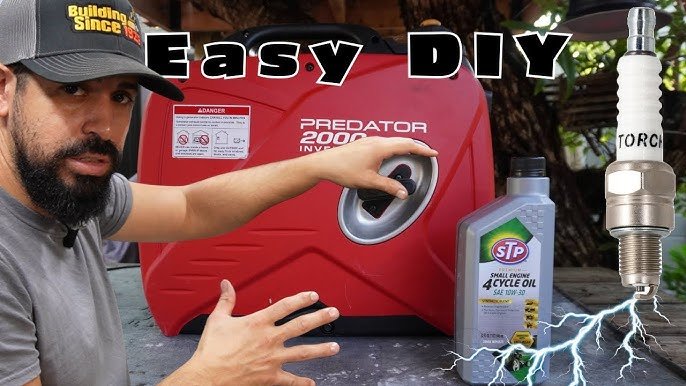
Are you noticing that your generator isn’t running as smoothly as it used to? Or perhaps it’s struggling to start altogether?
Chances are, the spark plug is the culprit. Replacing a generator spark plug might seem like a daunting task, but it’s surprisingly straightforward and can save you time and money. Imagine your generator running efficiently, providing you with reliable power when you need it most.
By learning how to replace your generator’s spark plug, you’ll gain the confidence to tackle this simple maintenance task and keep your generator in top shape. Ready to get started? Let’s dive into the essentials of replacing that spark plug and ensure your generator is always ready to power up your needs.
Tools Needed
Essential tools make replacing a generator spark plug easier and safer. A spark plug wrenchor socket fits the plug perfectly for removal and installation. A ratchetor wrench helps turn the socket smoothly. A gap gaugechecks the spark plug gap for proper engine function. A clean clothwipes dirt from around the spark plug area before removal.
Safety gear protects you during the task. Glovesprotect hands from cuts and dirt. Safety glassesshield eyes from debris. Wearing closed-toe shoesguards feet from dropped tools or parts. Work in a well-ventilated area to avoid breathing in fumes.

Credit: www.premium-electric.ca
Locate The Spark Plug
Start by turning off the generator. Let it cool down completely to avoid burns. Locate the spark plug on the engine. It usually has a thick wire connected to it. The plug is often near the engine cylinder head. Clear away any dirt or debris around it. This keeps dirt from entering when you remove the plug. Use a clean cloth to wipe the area. Make sure the workspace is well-lit. This helps you see small parts clearly. Gather tools like a spark plug socket and wrench before starting.
Remove The Old Spark Plug
Disconnecting the spark plug wireis the first task. Hold the boot firmly. Pull it straight off the spark plug. Avoid pulling the wire itself to prevent damage.
Use a spark plug socketattached to a ratchet or wrench. Fit the socket over the spark plug head. Turn it counterclockwise to loosen the spark plug. Carefully remove the spark plug once loose.
Keep the spark plug socket straight. This prevents damage to the spark plug or threads. If the plug is tight, apply gentle, steady pressure.
Check And Adjust The New Spark Plug
Start by checking the gapbetween the spark plug electrodes. This gap is very important for the engine to work well. Use a spark plug gap tool to measure it.
The correct gap size is usually listed in the generator’s manual. If the gap is too small or too big, the spark may not jump properly.
| Gap Size | Effect if Incorrect |
|---|---|
| Too Small | Weak spark, poor engine start |
| Too Large | No spark, engine won’t run |
| Correct Gap | Strong spark, smooth engine run |
To set the gap, gently bend the electrode using the gap tool. Adjust it until it matches the recommended size. Be careful not to damage the plug.
Install The New Spark Plug
Start by placing the new spark plug carefully into the hole. Turn it by hand to avoid cross-threading. This helps the plug fit smoothly and safely. If it feels stuck or hard to turn, back it out and try again. Hand threading ensures the plug sits correctly before tightening.
Once the spark plug is hand-threaded, use a wrench to tighten it properly. Do not overtighten; this can damage the threads or the plug itself. Tighten until snug, then give it a small extra turn, about a quarter to half turn more. This ensures a secure fit without causing harm.
Test The Generator
Reconnect the spark plug wire carefully. Make sure it fits tightly on the spark plug. A loose wire can stop the generator from working well. Check the wire for any damage or dirt before reconnecting.
Start the engine by pulling the starter rope or pressing the start button. Listen for a steady engine sound. If the engine runs smoothly, the spark plug replacement worked well.
If the engine does not start, try these checks:
- Ensure the spark plug wire is fully connected.
- Check if the spark plug is clean and properly gapped.
- Make sure there is enough fuel in the tank.
- Look for any other loose wires or parts.
Troubleshooting Tips
Common issueswith generator spark plugs include fouling, wear, and incorrect gaps. Fouled plugs have black, oily deposits that stop the spark. Worn plugs have eroded electrodes, causing weak sparks. Incorrect gaps prevent proper ignition and reduce engine performance.
Troubleshooting tipsstart with checking the spark plug for cracks or damage. Clean any carbon buildup carefully. Use a gap tool to measure and adjust the spark plug gap to the manufacturer’s specs. Replace the plug if damage or heavy wear is found.
Seek professional helpif the generator still does not start after replacing the spark plug. Persistent engine misfires or no spark at all may indicate deeper electrical or engine problems. A trained technician can diagnose and fix these issues safely.

Credit: www.amazon.sg

Credit: www.repairclinic.com
Frequently Asked Questions
How Often Should I Replace My Generator Spark Plug?
Replace the spark plug every 100 hours of use or once a year. Frequent checks ensure optimal generator performance and fuel efficiency.
What Tools Do I Need To Replace A Spark Plug?
You need a spark plug wrench, a gap gauge, and a screwdriver. These tools help remove, inspect, and install the spark plug properly.
How Do I Check If A Spark Plug Needs Replacement?
Look for signs like carbon buildup, cracks, or worn electrodes. Poor engine performance and hard starts also indicate a faulty spark plug.
Can I Use Any Spark Plug For My Generator?
Always use the spark plug specified in your generator’s manual. Using the correct type ensures safety, efficiency, and prevents engine damage.
Conclusion
Replacing a generator spark plug is simple and quick. Regular checks keep your generator running well. Use the right tools and follow safety steps. Clean the area before installing the new plug. Tighten it just enough, not too much. This small task helps avoid bigger problems later.
Stay prepared by learning basic maintenance skills. Your generator will start easier and work better. Save time and money with regular spark plug care. Keep your generator ready for any power need.