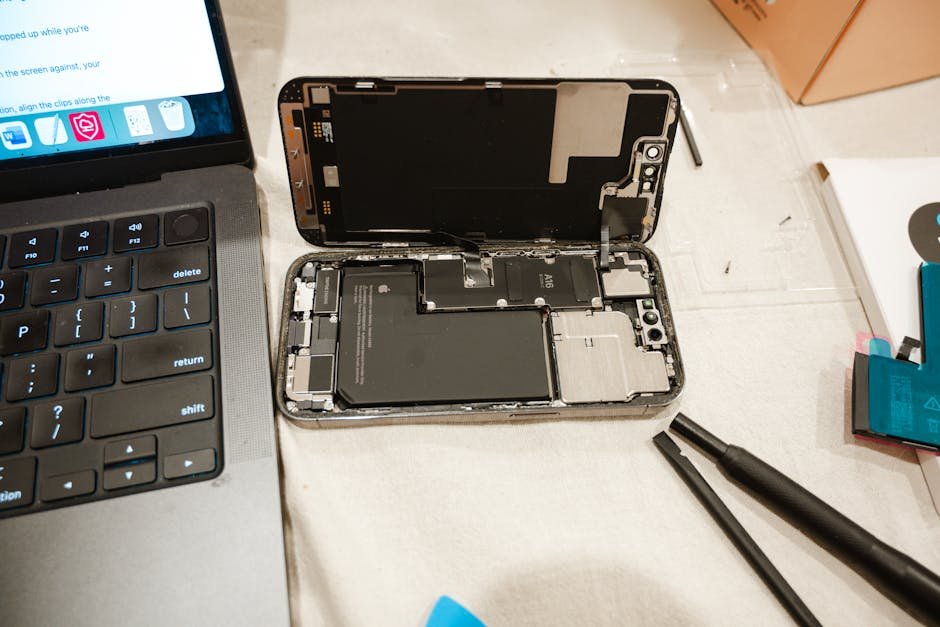
Are you tired of your lithium generator battery failing you when you need it the most? Replacing it might seem daunting, but with the right guidance, you can do it smoothly and efficiently.
Imagine the peace of mind knowing your power supply is reliable and long-lasting. In this guide, we will walk you through each step of the process. You’ll gain confidence, ensuring your generator is ready whenever you need it. So, let’s dive in and make sure you’re never left in the dark again!

Credit: battlebornbatteries.com
Signs To Replace Your Lithium Generator Battery
Battery performance issuesshow as shorter run times or slow charging. The generator may stop working suddenly. Check if the battery holds charge well. Dips in power mean it may need replacing soon.
Physical damage and wearinclude cracks, leaks, or bulges on the battery case. Corrosion on terminals also signals problems. Any visible damage can harm battery safety and function. Replace damaged batteries immediately.
Battery age and lifespanmatter. Most lithium generator batteries last 3 to 5 years. Over time, capacity drops even without visible damage. If your battery is old, consider replacement to avoid failure during use.
Tools And Safety Gear Needed
Essential tools include a wrench, screwdriver, and multimeter. A battery terminal pullerhelps remove old battery connectors safely. A voltage testerchecks battery power before replacement.
Protective equipment is key. Use insulated glovesto avoid shocks. Safety goggles protect eyes from sparks or acid. Wearing long sleevesprevents skin contact with battery acid.
Safety precautions must be followed. Always work in a well-ventilated area. Disconnect the negative terminal firstto prevent short circuits. Avoid touching both battery terminals at the same time. Keep metal tools away from battery tops to avoid sparks.
Preparing Your Generator For Battery Replacement
Make sure the generator is completely offbefore starting. Unplugit from any power source to avoid accidents. Remove any cords or devices connected to it.
Find the battery compartment. It is usually near the base or back of the generator. You might need a screwdriver to open the panel. Keep screws safe to close it later.
Clean the area around the battery. Dust and dirt can cause poor connections. Use a dry cloth or a soft brush to wipe away grime. This helps the new battery work well and last longer.
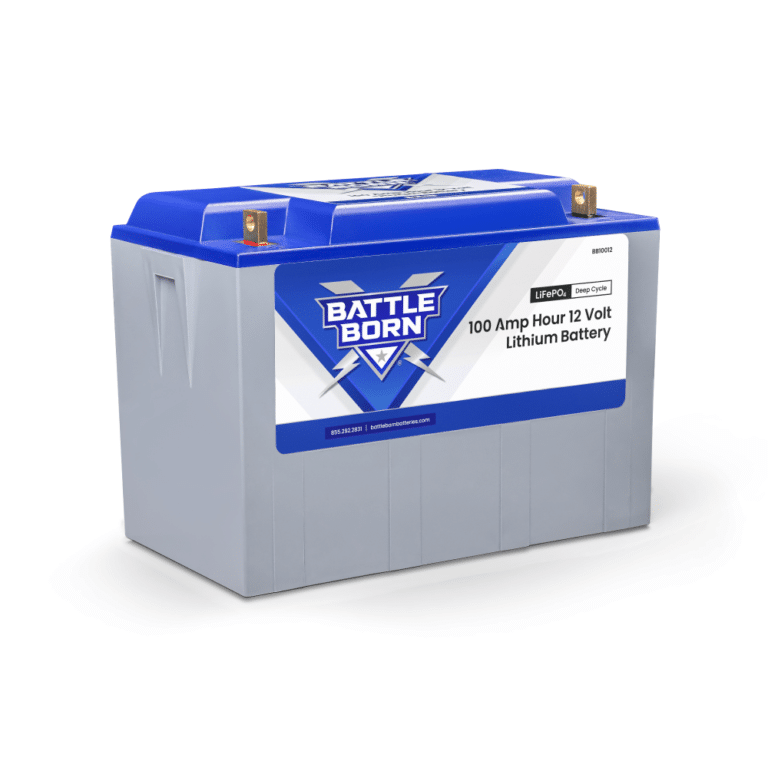
Credit: battlebornbatteries.com
Removing The Old Lithium Battery
Disconnect battery cablesby first turning off the generator. Use a wrench to loosen the nuts on the cable connectors. Always remove the negative cablefirst to avoid sparks. Then, remove the positive cable carefully.
Next, remove battery mountingby loosening the bolts or straps holding the battery. Keep tools close to avoid losing small parts. Lift off any brackets that keep the battery in place.
Finally, safely take out the batteryby lifting it straight up. Use both hands to avoid dropping it. Place the old battery on a sturdy surface away from children and pets. Avoid tilting or shaking the battery to prevent leaks.
Installing The New Lithium Battery
Place the new lithium battery carefully in the battery tray. Make sure it fits well and does not move around. Check that the battery terminals are easy to reach for cable connection.
Connect the battery cables firmly. Attach the positive cable first, then the negative cable. Tighten the connections to avoid loose contact. Loose cables can cause power issues or sparks.
Secure the battery using the clamp or strap provided. This keeps the battery stable during movement or vibration. Double-check the battery is fixed tightly but not too tight to avoid damage.

Credit: revopower.us
Testing And Final Checks
Turn on the generator to check if the new battery works well. The power should start smoothly without delays. Watch for any unusual sounds or lights on the control panel. These signs show the battery is connected correctly.
Check the battery voltage with a multimeter. It should match the battery’s rated voltage. Low voltage means the battery might not be charging properly or is faulty. Ensure all cables are tight and clean for good contact.
- Generator won’t start: Check battery connections and charge level.
- Power drops suddenly: Look for loose wires or a weak battery.
- Warning lights stay on: Inspect the battery and generator sensors.
Maintaining Your Lithium Generator Battery
Check your battery regularly for any signs of damage or swelling. Clean the terminals to prevent corrosion. Keep the battery dry and free from dust. Listen for unusual noises during charging. Watch the battery temperature; it should not get too hot.
- Use the charger made for lithium batteries only.
- Charge at the right voltage and current levels.
- Avoid overcharging or letting the battery drain completely.
- Unplug the charger when the battery is full.
Store the battery in a cool, dry place away from direct sunlight. Keep the battery at about 50% charge if not used for long. Avoid places with high humidity or extreme temperatures. Check the battery every few months during storage.
Frequently Asked Questions
How Do I Safely Remove A Lithium Generator Battery?
Turn off the generator and disconnect it from all power sources. Wear protective gloves and carefully disconnect the battery terminals. Avoid short circuits by handling terminals with insulated tools. Remove the battery gently to prevent damage.
What Tools Are Needed To Replace The Lithium Battery?
You will need a wrench or screwdriver to loosen terminals, safety gloves, and possibly a multimeter. A new compatible lithium battery and battery terminal cleaner are also necessary for a smooth replacement process.
How To Choose The Right Lithium Battery For My Generator?
Check your generator’s manual for battery specifications like voltage and capacity. Choose a lithium battery matching these specs to ensure compatibility and optimal performance. Always select batteries from reputable brands for reliability.
Can I Replace A Lithium Battery Myself?
Yes, if you follow safety precautions and have basic electrical knowledge. Disconnect the old battery carefully, avoid short circuits, and install the new one correctly. If unsure, consult a professional to avoid damage or injury.
Conclusion
Replacing a lithium generator battery is easier than it seems. Follow the right steps and stay safe. Use the correct tools and handle the battery carefully. Test the new battery before closing everything up. This helps your generator run smoothly and last longer.
Regular checks keep your power ready when you need it. Taking care of your battery saves time and money. Keep this guide handy for your next replacement. Simple actions make a big difference in your generator’s life.