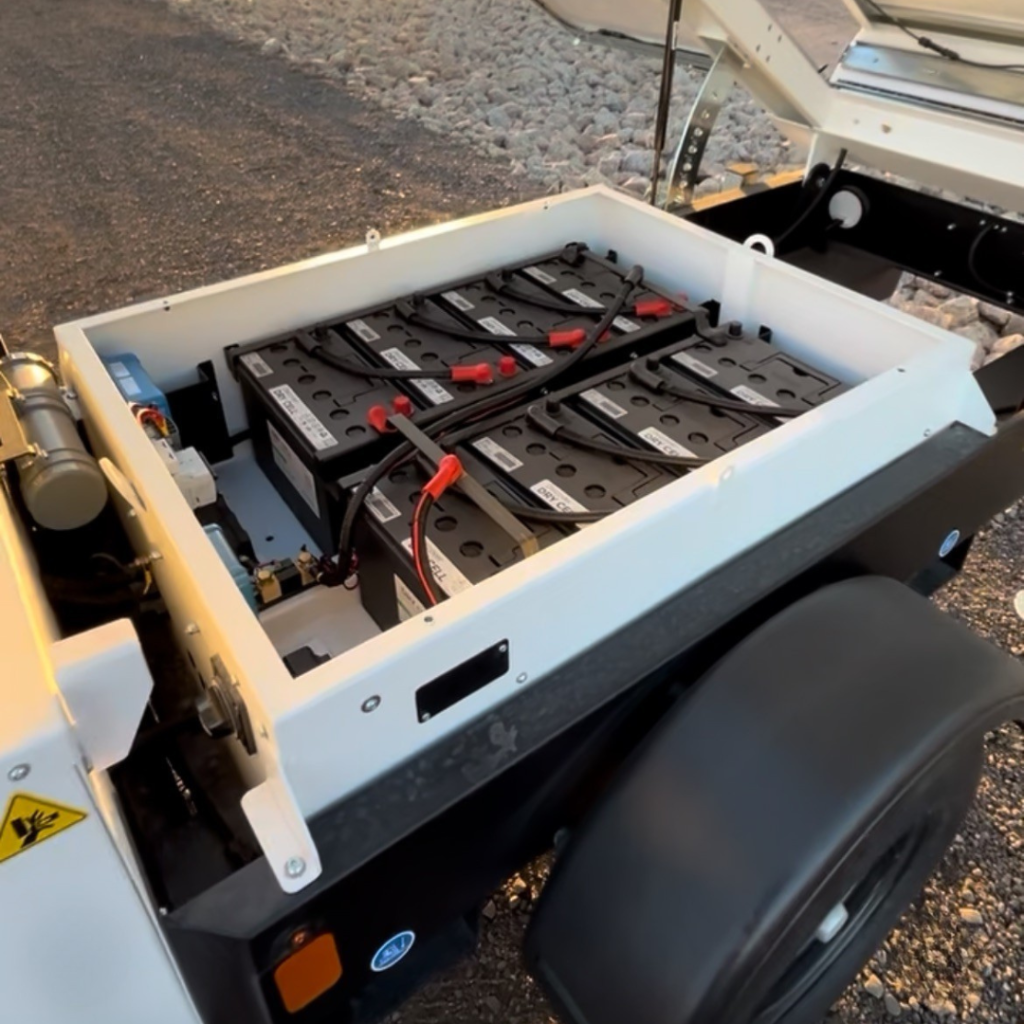
Has your generator started sputtering or struggling to keep up with your energy needs? You might be dealing with worn-out parts that need replacing.
As you rely on your generator to keep the lights on during power outages or to power your outdoor adventures, ensuring it runs smoothly is vital. Replacing worn-out parts isn’t just about fixing a current issue; it’s about preventing future breakdowns and maintaining efficiency.
In this guide, you’ll learn how to identify which parts need replacing, the steps to do it safely, and the tools you’ll need. By the end, you’ll feel confident in your ability to keep your generator in top shape, ensuring it serves you reliably for years to come. Stick around, and let’s ensure your generator is always ready when you need it most.
Signs Of Worn Generator Parts
Worn generator parts often show clear signs. Look for strange noisesduring operation. Smokeor unusual smells may also appear. Parts that are hot to touch or have visible cracksneed attention.
Check for leaksaround seals and joints. Vibrationsthat are stronger than usual can signal loose or damaged parts. Reduced power output or frequent shutdownsare common wear indicators.
- Wear gloves and safety goggles before inspecting.
- Ensure the generator is offand cool.
- Disconnect the battery to avoid accidental starts.
- Work in a well-ventilatedarea.
- Use proper tools to avoid injury.

Credit: www.ebay.com
Tools And Materials Needed
Basic toolshelp fix worn-out generator parts safely. A wrench setis needed to loosen and tighten bolts. Use a screwdriverto remove screws. A socket setfits many bolt sizes. Pliers help grab and pull small parts. A multimeterchecks electrical parts for damage. Don’t forget safety gear like glovesand eye protection.
| Replacement Parts | Description |
|---|---|
| Air Filter | Keeps dust out of the engine. Needs regular replacement. |
| Spark Plug | Ignites the fuel. Replace if dirty or worn. |
| Oil Filter | Removes impurities from oil. Change with oil. |
| Fuel Filter | Stops dirt from fuel. Replace to keep engine clean. |
| Drive Belts | Power parts of the generator. Check for cracks or wear. |
Preparing The Generator
Always turn offthe generator before starting any work. Disconnectthe power source to avoid accidents. This step is essential for safety. Check that the generator is fully coolbefore touching any parts.
Prepare a cleanand well-litarea to work in. Remove any clutter to keep tools handy. A tidy workspace helps prevent mistakes and lost parts. Use a mat or cloth to protect the surface and catch small pieces.
Removing Old Parts
Start by turning off the generator and unplugging it. Wait for it to cool down to avoid burns. Use the right tools to remove bolts and screws carefully. Keep track of all parts and fasteners so nothing gets lost.
Handle parts with care to avoid damage. Old parts may be heavy or sharp. Wear gloves for protection. Store removed parts in a safe place until disposal or recycling.
Dispose of worn parts according to local rules. Some parts can be recycled, like metals and batteries. Never throw hazardous materials in regular trash. Check with your waste center for safe disposal methods.
Installing New Parts
Proper installation requires clean surfacesand correct tools. Dirt or debris can cause poor fit and damage parts. Always check the new partsagainst the old ones to confirm size and shape.
Align parts carefully before securing them. Misalignment can lead to vibrationand wear. Use a level or straight edge if needed to ensure parts sit correctly.
- Tighten bolts evenly to avoid stress on parts.
- Follow manufacturer torque specifications for fasteners.
- Lubricate moving parts to reduce friction and wear.
- Double-check connections before powering the generator.
Testing The Generator
Before powering the generator, check the fuel level and oil. Make sure all connections are tight and clean. Turn on the generator and listen for unusual sounds. Look for smoke or leaks. Measure the output voltage with a multimeter. It should match the generator’s rated voltage.
Common issues include failure to start, low voltage, or strange noises. Check the spark plug for dirt or damage. Clean or replace it if needed. Test the battery and wiring for corrosion or loose ends. Check the fuel filter for clogs. Replace worn-out filters and parts promptly to avoid bigger problems.
Maintenance Tips For Longevity
Check the generator parts often to find any wear or damage. Look for cracks, rust, and loose bolts. Tighten or replace parts as needed to keep the generator working well.
Store the generator in a dry, cool place. Cover it with a dust-proof clothto avoid dirt and moisture. Clean the parts before storage to stop rust and dirt buildup.
| Storage Tip | Care Advice |
|---|---|
| Keep away from water and direct sunlight | Wipe parts with a dry cloth after use |
| Use a protective cover | Check oil and fuel levels regularly |
| Store in a well-ventilated area | Run the generator occasionally to keep parts moving |
Credit: www.powerequipmentforum.com

Credit: www.generac.com
Frequently Asked Questions
How Do I Identify Worn-out Generator Parts?
Check for unusual noises, reduced power, or visible damage. Inspect belts, filters, spark plugs, and battery condition regularly. Early detection helps prevent major failures and extends generator life.
What Tools Are Needed To Replace Generator Parts?
Basic tools include screwdrivers, wrenches, pliers, and a multimeter. Specialized tools may be required for specific parts. Always consult the generator manual for recommended tools and safety precautions.
How Often Should Generator Parts Be Replaced?
Replace parts based on manufacturer guidelines or signs of wear. Filters typically change every 6-12 months, spark plugs yearly, and batteries every 2-3 years. Regular maintenance ensures optimal generator performance.
Can I Replace Generator Parts Myself Safely?
Yes, if you follow safety guidelines and the manual instructions. Disconnect power before starting, use proper tools, and work in a well-ventilated area. When in doubt, seek professional help to avoid damage or injury.
Conclusion
Replacing worn-out generator parts keeps your machine running smoothly. Regular checks help spot problems early. Use the right tools and follow safety steps. Clean parts before installing new ones for best results. Taking care of your generator saves money and time.
Simple fixes prevent bigger issues later on. Keep your generator ready for any power need. Small efforts lead to long-lasting performance. Stay safe and enjoy reliable power whenever needed.