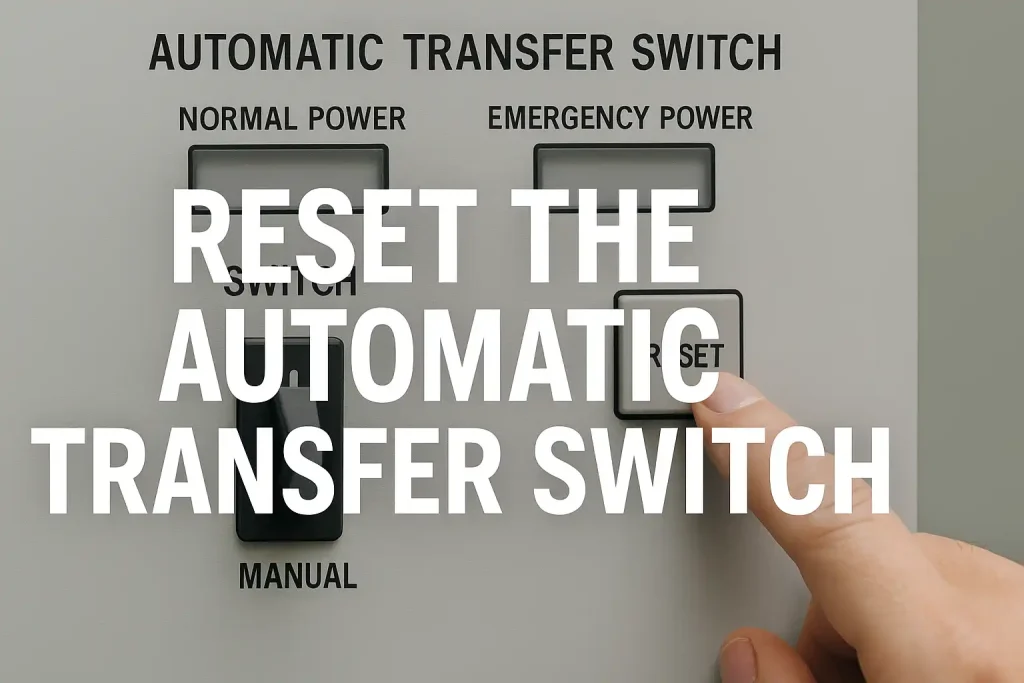
Your standby generator is your safety net during power outages, ensuring your home remains powered and comfortable. But what happens when it doesn’t work as expected?
Knowing how to reset your standby generator can save you from unexpected darkness and frustration. Imagine the relief of having the lights flicker back on and your appliances humming again. This guide will walk you through the simple steps to reset your generator, putting control back in your hands.
Picture the peace of mind that comes with understanding your generator’s reset process. Dive in to discover how you can master this essential skill, ensuring you’re always prepared for those unpredictable moments.
Safety Precautions
Always wear glovesto protect your hands. Use gogglesto shield your eyes. A hard hatcan keep your head safe. Wear ear protectionto avoid loud noises. Put on steel-toed bootsfor foot safety. These items keep you safewhile working.
Check the area for any wateror wet surfaces. Water can cause slips and electric shocks. Ensure the area is clearof flammable materials. Keep the generator space ventilatedto avoid fumes. Never operate near open flamesor sparks. These steps help protect the environmentand your safety.
Identifying Common Issues
Power supply issues can cause your generator to stop working. Check the batteriesfor proper charge. Loose connections can interrupt the power flow. Inspect all wiresand connections. A blown fusemight also be the issue. Replace it with a new one. Look at the circuit breaker. Make sure it hasn’t tripped. Reset it if necessary. Sometimes, the issue is with the main power source. Ensure the generatoris plugged in properly.
Fuel system problems often prevent the generator from running. First, check the fuel tank. Is there enough fuel? Use the right type of fuel for your generator. Dirty fuel can clog the system. Clean the fuel filterregularly. Inspect fuel lines for cracks or leaks. Replace them if damaged. Make sure the fuel valve is open. If closed, it can block the fuel flow. Also, consider the carburetor. It might need cleaning or adjusting to work properly.
Preparing For Reset
Gather the right toolsbefore starting. A screwdriveris usually essential. Have a wrenchready too. Keep a flashlightclose in case it’s dark. Always have a user manualhandy. It helps with specific steps. Prepare a clean clothfor wiping. This ensures no dirt gets inside. Make sure all tools are within reach. This saves you time and effort.
Inspect all wiresand cablescarefully. Look for loose connections. Tighten them if needed. Check for any damaged wires. Replace them to prevent issues. Ensure power switchesare off. This is important for safety. Verify the generator’s fuel line. Ensure it’s not blocked. Confirm that batteriesare charged. This helps the generator start smoothly.
Credit: grastengenerators.com
Resetting The Generator
Resetting a standby generator involves switching it off, checking connections, and restarting to ensure smooth operation. Regular maintenance and following the manual can prevent issues. Always prioritize safety by disconnecting power before starting any reset process.
Manual Reset Process
First, locate the generator’s control panel. Check the display screenfor error codes. Turn the generator off using the main switch. Wait for two minutes. This lets the system cool down. Turn the switch back on. Press the reset buttonon the panel. Hold it for three seconds. The error code should clear.
Automatic Reset Procedure
Ensure the generator is in auto mode. Check the display for any error messages. If there’s an error, note the code. Turn off the main power switch. Wait for a minute. Turn the switch back on. The system should reset itself. If it doesn’t, consult the user manual.
Post-reset Checks
Post-Reset Checks Ensure all connections are secure and no wires are damaged. Verify the fuel level and refill if necessary. Check for any error codes on the display panel and clear them to restore normal operation.
Functionality Tests
After resetting, check if the generator starts smoothly. Listen for any strange noises. Ensure all lights and indicators show normal status. Verify the generator runs without interruptions. Test the automatic transfer switch. Make sure it switches power correctly. Check the fuel level to ensure enough supply. Examine the oil level and top up if needed. Confirm the battery is charged and in good condition. Look for any warning lights on the control panel.
Monitoring Performance
Observe the generator during operation. It should run steadily without fluctuations. Check the voltage output. It must match the required levels. Monitor the frequency for stability. Listen for unusual sounds or vibrations. Confirm the exhaust system works properly. Ensure there are no leaks. Regularly inspect for wear and tear. Keep a maintenance log for future reference. Document any issues found during checks.

Credit: bestcarehomeservices.com
Maintenance Tips
Resetting a standby generator ensures it operates smoothly during power outages. Begin by turning off the generator and disconnecting the battery. Then, press and hold the reset button for a few seconds. Reconnect the battery and restart the generator to complete the process.
Regular Inspection
Generators need care to work well. Check them often for any issues. Look at wires and parts. Make sure everything is clean. Dirt can cause problems. Inspect the fuel level. Be sure it is not too low. Check the oil level too. Oil keeps parts moving smoothly. Listen for strange noises. They might mean something is wrong. If anything seems odd, fix it quickly.
Scheduled Servicing
Service generators regularly. Follow the schedule in the manual. Change the oil and filters as needed. Parts wear out over time. Replace them before they break. Check the battery. Make sure it is charged. Batteries power key functions. Clean air filters often. Dust can block them. Keep the generator area tidy. Messy spaces can cause accidents. Regular servicing helps avoid big repairs later.
Troubleshooting Persistent Issues
Persistent generator issues can be tricky. Sometimes, restarting doesn’t help. Professional help might be needed. Experts know generators well. They find problems quickly. Fixing tough issues is their job. It’s safer to consult them. They have advanced diagnostic tools. These tools pinpoint problems. Complex issues need special gear. Experts can use these tools. They are trained for this. Generators are complex machines. Professionals understand them best. They make sure everything works well.
Consulting Professionals
Getting expert advice is wise. Professionals have the right skills. They know generator systems. They solve problems efficiently. Experts prevent future issues. Consulting professionals can save time. They avoid wrong fixes. Hiring experts is smart. Generators need proper care. Professionals ensure optimal performance.
Advanced Diagnostic Tools
| Tool | Function |
|---|---|
| Multimeter | Measures voltage and current |
| Oscilloscope | Shows electrical signals |
| Engine Analyzer | Checks engine health |
| Thermal Camera | Detects heat sources |

Credit: www.youtube.com
Frequently Asked Questions
How Do I Reset My Generac Generator?
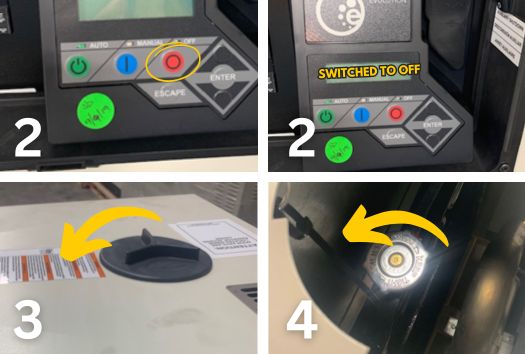
Press the “Off” button on the generator’s control panel. Wait 30 seconds. Press “Auto” to reset. Ensure the generator is ready by checking the display. Consult the user manual for detailed instructions.
Is There A Reset Button On A Generator?
Yes, many generators have a reset button. It helps restart the generator after a trip or overload. Check the user manual for its exact location and usage instructions. Always ensure the generator is off before pressing the reset button to avoid any electrical hazards.
How Do I Reset My Whole House Generator?
To reset your whole house generator, turn off the generator and disconnect its power supply. Wait a few minutes, then reconnect the power and restart the generator. Consult your generator’s manual for specific instructions, as models may vary. Regular maintenance ensures optimal performance.
Why Is My Standby Generator Not Starting?
Your standby generator may not start due to fuel issues, battery problems, or a clogged air filter. Check for any loose connections or faulty spark plugs. Regular maintenance can prevent these issues.
Conclusion
Resetting a standby generator is simple with these steps. Safety first. Always. Turn off the generator. Remove any obstructions. Check fuel levels. Inspect connections. Follow the manual instructions. Use these tips to ensure your generator runs smoothly. Regular maintenance helps avoid future issues.
Keep a checklist handy for quick reference. Stay prepared for any power outages. A well-maintained generator provides peace of mind. Always be ready for unexpected situations. With these steps, your generator will last longer. Enjoy reliable power whenever you need it.
Stay powered up and worry-free.