
Is your trusty 30K standby generator showing signs of age and wear? You rely on this powerhouse to keep your home or business running smoothly when the unexpected happens.
But lately, it seems like it’s not quite up to the task. Before you consider spending a fortune on a replacement, know that restoring your old generator could be the solution you need. Imagine the peace of mind you’ll gain from having your generator operating at its peak performance again.
In this guide, we’ll explore simple yet effective steps to breathe new life into your generator, ensuring it’s ready to spring into action whenever you need it. You don’t have to be a tech wizard; with a little guidance and the right tools, you can tackle this project with confidence. So, let’s dive in and get your generator back to its reliable best!
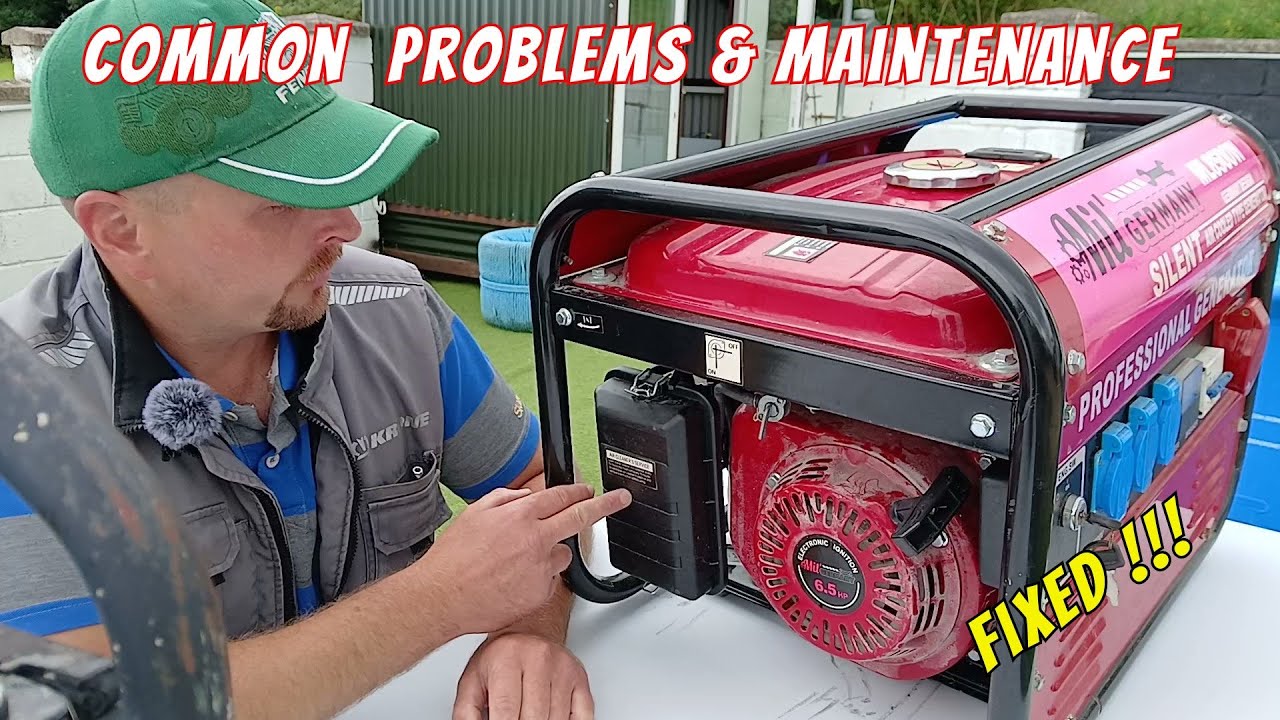
Credit: www.youtube.com
Assessing Generator Condition
Start with a visual inspection. Check the generator for rust, cracks, or broken parts. Look for leaks or dirt build-up around the engine and fuel system. Clean the exterior to see the condition better.
Next, check the fuel and oil. Old fuel can harm the engine. Drain old fuel and replace it with fresh gas. Change the oil and oil filter to keep the engine running smoothly.
Test the battery and electrical systems. Make sure the battery is charged and connections are clean. Inspect wires for damage or corrosion. Test the control panel and switches to ensure they work well.
Cleaning And Maintenance
Remove dirtand debrisfrom the generator’s exterior. Use a soft brush or cloth to avoid damage. Clear the vents to help airflow and prevent overheating.
Replace air filtersand fuel filtersregularly. Dirty filters block air and fuel flow, reducing generator efficiency. New filters improve performance and extend engine life.
Check spark plugsfor wear or buildup. Clean them with a wire brush to ensure proper sparks. Also, inspect all connectionsand tighten loose wires for better starting and running.
Fuel System Restoration
Old fuel in the generator can cause clogging and poor performance. Start by draining all old fuelfrom the tank carefully. Use a container to catch the fuel safely.
Next, inspect the fuel lines and tankfor cracks, leaks, or dirt. Replace any damaged parts to avoid fuel leaks. Clean the inside of the tank if there is rust or debris.
Finally, refill the tank with fresh fuel. Use the right fuel type as recommended by the generator’s manual. Fresh fuel helps the generator run smoothly and last longer.

Credit: www.youtube.com
Engine Tune-up
Changing the oiland oil filterkeeps the engine clean and running smooth. Use the type of oil recommended by the generator’s manual. Drain old oil completely before adding new oil. Replace the oil filter to catch dirt and debris.
Adjust the carburetor settingsto get the right fuel and air mix. Too much fuel makes the engine run rough. Too little fuel causes it to stall. Turn the adjustment screws slowly while the engine runs to find the best setting.
| Check | Purpose | How to Do It |
|---|---|---|
| Compression | Ensures engine power | Use a compression gauge on the spark plug hole |
| Timing | Controls spark for smooth running | Use a timing light or follow manual instructions |
Electrical System Repair
Check all wiring carefully for any broken or loose connections. Fuses should be tested with a multimeter to ensure they are not blown. Replace any fuse that shows no continuity.
Test the starter by turning the key and listening for a clicking sound. If the starter does not engage, it might need replacement. The alternator should be tested to confirm it charges the battery correctly.
- Replace any faulty wiring found during inspection.
- Swap out blown fuses with the correct rating.
- Install a new starter if the old one fails to work.
- Fit a new alternator if the charging is weak or absent.
Credit: www.mytractorforum.com
Testing And Troubleshooting
Check fuel and oil levels before starting the generator. Make sure the battery is fully charged. Turn on the fuel valve and set the choke to the start position. Try to start the engine by pulling the cord or using the electric start. Listen for any unusual sounds or smoke. Allow the generator to run for a few minutes to warm up. Move the choke to the run position once the engine is stable.
Watch the generator’s output voltage and frequency. Use a multimeter to check if power is steady and within the right range. Look for any flickering lights or power drops. Monitor engine temperature and oil pressure. These signs show if the generator works well or needs attention.
| Common Issue | Possible Cause | Solution |
|---|---|---|
| Engine won’t start | Empty fuel tank or dead battery | Refill fuel or charge/replace battery |
| Low power output | Dirty air filter or worn spark plug | Clean filter or replace spark plug |
| Overheating | Low oil or blocked cooling fins | Add oil and clean cooling fins |
| Engine stalls | Fuel line blockage or carburetor issues | Check fuel line and clean carburetor |
Safety Checks
Groundingis vital for safety. It helps prevent electric shocks. Make sure the generator is properly grounded using a ground rod or metal water pipe.
Good ventilationavoids dangerous gas buildup. Place the generator in an open area or near windows. Avoid running it inside closed spaces.
- Check the emergency shut-off switchfor easy access.
- Test the shut-off system regularly to ensure it works.
- Label the shut-off switch clearly for quick use.
| Inspection Task | Frequency | Notes |
|---|---|---|
| Check grounding connections | Monthly | Look for corrosion or loose wires |
| Inspect ventilation openings | Monthly | Clear any blockages or debris |
| Test emergency shut-off | Quarterly | Ensure switch stops the generator immediately |
| Overall system check | Annually | Hire a professional for full inspection |
Frequently Asked Questions
How Do I Start Restoring An Old 30k Standby Generator?
Begin by inspecting the generator’s physical condition. Check for rust, leaks, and damaged parts. Clean the exterior and internal components before testing electrical systems.
What Maintenance Is Essential For Old Standby Generators?
Regularly change oil, replace filters, and check coolant levels. Inspect spark plugs and battery health. Test the generator under load to ensure proper functionality.
How Can I Troubleshoot A 30k Standby Generator Not Starting?
Check the fuel supply, battery charge, and ignition system. Inspect fuses and wiring for damage. Reset any tripped breakers and test the starter motor.
When Should I Replace Parts In An Old Standby Generator?
Replace parts showing wear, corrosion, or damage. Prioritize filters, belts, spark plugs, and batteries. Follow the manufacturer’s recommended replacement schedule for best results.
Conclusion
Restoring an old 30K standby generator is possible with care and patience. Check all parts and clean them well. Replace worn or damaged components to ensure safety. Test the generator after each step to find problems early. Regular maintenance keeps it working longer.
A well-kept generator can provide power when you need it most. Take your time and follow simple steps. Your efforts will bring your generator back to life.