
Are you tired of dealing with unexpected power outages? Wondering how you can keep your standby generator running smoothly and efficiently?
You’re in the right place. Your standby generator is a crucial backup tool that ensures your home or business keeps functioning even when the power goes out. But simply having one isn’t enough. You need to know how to operate it efficiently to maximize its lifespan and performance, saving you both time and money.
You’ll discover practical tips and strategies to ensure your generator runs like a well-oiled machine. Whether you’re new to generators or a seasoned user, these insights will help you get the most out of your investment. Imagine the peace of mind that comes with knowing your standby generator is ready to go whenever you need it. Keep reading, and let’s make that a reality for you.
Choosing The Right Generator
Think about what you need to power. List all the things that need power during an outage. Lights, refrigerator, and heater are important. Add up the watts each item uses. This helps pick the right generator size. A generator too small will not power everything. A generator too big wastes fuel. Get a generator that matches your power needs.
Generators use different fuels. Gasoline, diesel, and propane are common. Each has pros and cons. Gasoline is easy to find but needs safe storage. Diesel is more efficient but louder. Propane burns clean but needs a tank. Choose the fuel type that suits your storage and availability. Always store fuel safely. Check local availability before choosing.
Installation Best Practices
Running a standby generator efficiently requires proper installation and regular maintenance. Position the generator in a well-ventilated area to prevent overheating. Ensure fuel levels are adequate and perform routine checks to maintain optimal functionality.
Professional Installation Benefits
Hiring a professional ensures the generator is installed correctly. This prevents future problems and keeps your family safe. Professionals have the right tools and knowledge. They follow all local codes and standards. Proper installation also extends the life of the generator. This saves money on repairs and replacements. It provides peace of mind knowing your setup is safe.
Location And Ventilation
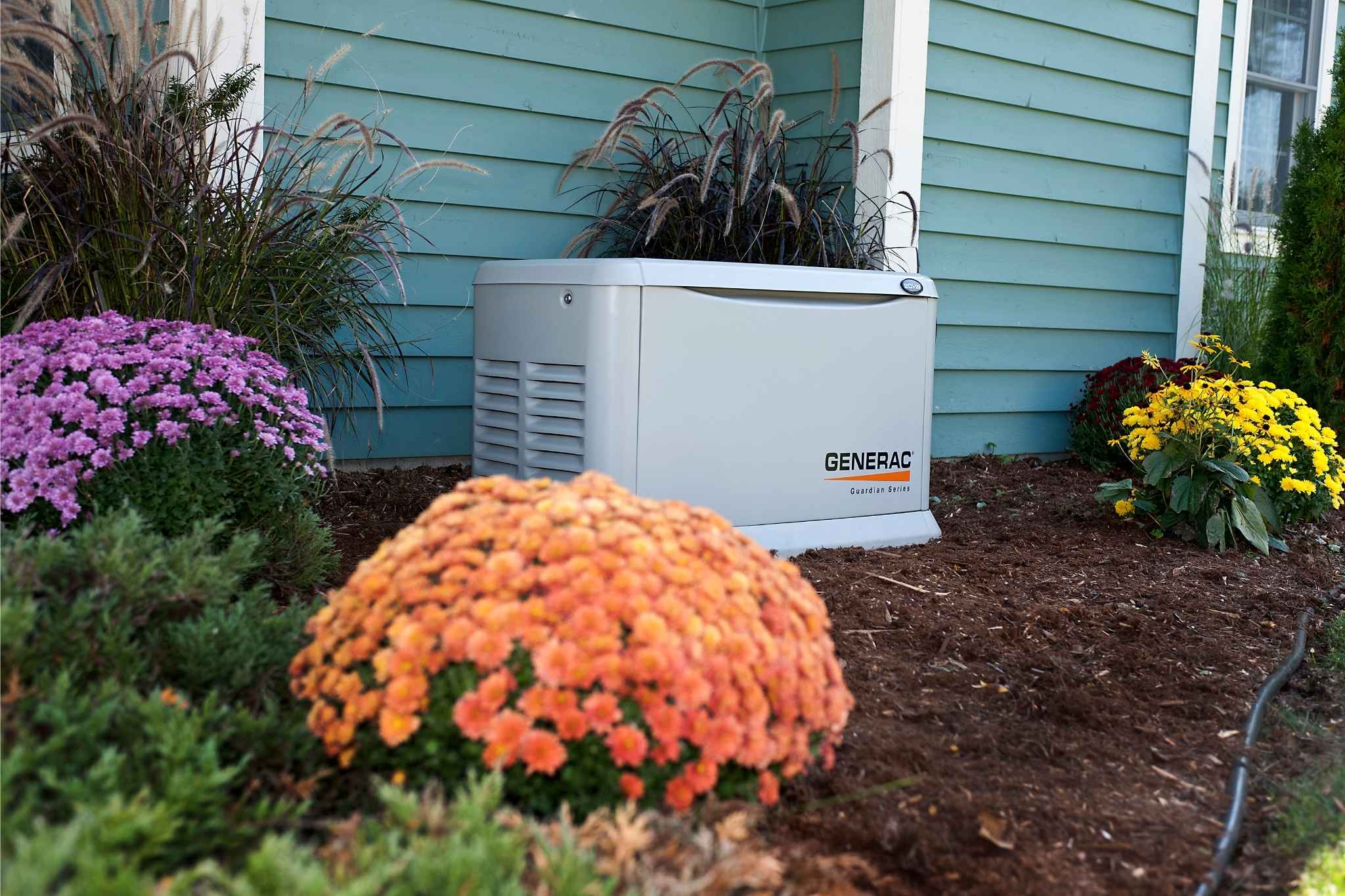
Generators need a safe spot outside the house. Choose a location away from windows and doors. This prevents harmful gases from entering the home. Good ventilation is also important. It helps cool the generator and avoid overheating. Always place it on a flat surface. This ensures stability during operation. Check that the area is free from debris and obstacles. This keeps the generator working well.
Regular Maintenance
Regular maintenance keeps standby generators running smoothly. Check oil levels, filters, and battery connections frequently. Inspect for wear and tear to avoid unexpected breakdowns.
Routine Inspections
Inspect the generator regularly. Look for any signs of wear. Check the oil levels. Ensure the air filter is clean. Examine the spark plugs for damage. Tighten loose connections. Keep the generator clean. Dust can cause problems. Make sure the exhaust is clear.
Replacing Parts And Fluids
Change the oil every 100 hours. Replace oil filters as needed. Use the correct type of oil. Swap out spark plugs if worn. Keep fuel fresh and clean. Replace the air filter regularly. Change batteries if power drops. Use manufacturer-approved parts. This ensures optimal performance.
Efficient Operation
Ensuring a standby generator runs efficiently involves regular maintenance and proper fuel management. Keep the generator clean and free of debris. Regularly check oil levels and replace filters to maintain optimal performance.
Load Management
It is crucial to manage the load on a generator. Too much load can strain the system. This might cause damage to parts. Distribute the load evenly. This helps the generator run smoothly. Use a load calculator to help balance the load. It can prevent overloading.
Minimizing Fuel Consumption
Reducing fuel use is key for efficiency. Turn off extra devices when not needed. This saves fuel. Use the generator only for essential power needs. Check fuel levels regularly. Adjust settings to use less fuel. Regular maintenance keeps it running efficiently. It also helps save fuel.
Safety Measures
Ensure proper ventilation to prevent carbon monoxide buildup. Regular maintenance checks help avoid unexpected breakdowns. Use high-quality fuel for efficient operation.
Avoiding Overloads
Generators can face issues if overloaded. Always check the power limits. Use devices that match the generator’s capacity. This prevents damage and saves energy. Spread power usage evenly across devices. This helps the generator work smoothly.
Protective Gear And Precautions
Wear protective gear when operating generators. Goggles protect eyes from sparks. Gloves keep hands safe from electric shocks. Ensure the area is dry to avoid slips. Keep children away from the generator. Inspect cords for any damage before use. Follow all safety warnings on the machine. This ensures safe and efficient operation.

Credit: m.facebook.com
Monitoring Performance
Monitoring performance ensures your standby generator runs efficiently. Regular checks help maintain fuel levels and identify any issues early. This practice extends the life of your generator and ensures reliable power during outages.
Using Technology For Monitoring
Modern technology helps monitor generator performance. Sensors check for changes in power output. Smart systems alert you to issues quickly. Apps provide real-time data on generator health. Remote monitoring lets you see how the generator runs from anywhere. This technology makes sure the generator stays efficient.
Signs Of Malfunction
Recognizing signs of malfunction is important. Unusual noises might mean something is wrong. If power flickers, the generator may have issues. Overheating is a serious sign. Fuel consumption could increase if there’s a problem. Checking these signs helps keep the generator running well.
Environmental Considerations
Running a standby generator efficiently requires careful environmental consideration. Regular maintenance and proper fuel storage can minimize emissions and reduce noise pollution. Optimize placement to ensure adequate ventilation and safety compliance.
Reducing Emissions
Generators can make a lot of smoke. This smoke is bad for the air. Use clean fuels to make less smoke. Keep the generator in good shape. This helps it run cleaner. Change filters often. This stops dirt from going into the air. Check the exhaust system. It should work well to reduce smoke.
Disposal Of Waste
Generators make waste like oil and filters. These need safe disposal. Never throw oil in the trash. Take it to special places that handle waste. Filters also need proper care. Do not burn them or bury them. Follow local rules for waste. This keeps the earth clean and safe.

Credit: www.instagram.com
Credit: summitutilities.com
Frequently Asked Questions
What Is The 20/20/20 Rule For Generators?
The 20/20/20 rule for generators suggests running the generator for 20 minutes every 20 days at 20% load. This helps maintain battery health and ensures efficiency, prolonging the generator’s lifespan. Regular exercise prevents fuel issues and keeps components in good working condition.
What Is The Most Efficient Way To Run A Generator?
Regularly maintain the generator and use fresh fuel. Operate it at optimal load, avoiding overloading. Ensure proper ventilation to prevent overheating. Use high-quality extension cords and connect essential appliances directly. Store it in a cool, dry place when not in use.
Follow manufacturer guidelines for efficient performance and longevity.
How Often Should I Run My Standby Generator?
Run your standby generator for 20-30 minutes every month. This ensures proper lubrication and checks functionality. Regular monthly exercise helps maintain efficiency and reliability, safeguarding against potential issues during power outages.
How Long Will 500 Gallons Of Propane Last On A Generac Generator?
A 500-gallon propane tank can last around 9 to 11 days on a Generac generator running continuously. Usage depends on the generator’s load and efficiency. For specific calculations, refer to your generator’s manual or consult a professional.
Conclusion
Operating your standby generator efficiently saves fuel and reduces costs. Regular maintenance is crucial for optimal performance. Keep the generator clean and free of debris. Check oil levels and change them as needed. Use the correct fuel type for your generator.
Avoid overloading it with too many appliances. Follow the manufacturer’s guidelines closely. Test run your generator monthly. This ensures it works during emergencies. Proper ventilation is important for safety. Make sure the exhaust is clear. With these tips, your generator will run smoothly and efficiently.
Stay prepared and ensure your power needs are met.