
Imagine this: the power goes out, and your trusty standby generator is ready to kick in, ensuring your home or business stays up and running. It’s a lifesaver, right?
But here’s the catch—keeping your generator fueled safely is crucial. Neglecting proper refueling can lead to accidents, costly damages, or even voided warranties. You don’t want that, do you? In this guide, you’ll discover simple, yet essential, steps to refuel your standby generator safely and efficiently.
It’s all about protecting your investment and ensuring peace of mind. By the end of this article, you’ll be equipped with the knowledge to keep your generator—and your home—powered up without a hitch. Ready to learn how? Let’s dive in!
Preparation Before Refueling
Ensure the generator is turned off and cooled down. Clear the area of any flammable materials. Check fuel levels and use approved containers to prevent spills and fires.
Check Fuel Levels
Before refueling, check the fuel levels in your generator. Look at the gauge to see how much fuel is left. Make sure there is enough space for more fuel. Overfilling can cause spills and damage.
Inspect For Damage
Examine the generator for any signs of damage. Look for cracks or leaks in the fuel tank. Check wires and connections for wear. Make sure all parts are in good condition. Damaged parts can lead to accidents. Safety is important.

Credit: www.instagram.com
Choosing The Right Fuel
Generators use different fuels. Common types are diesel, gasoline, and natural gas. Diesel is safe and lasts longer. Gasoline is easy to find but burns quickly. Natural gas is clean and good for the planet. Each type has pros and cons. Choose based on your needs.
Fuel quality matters a lot. Bad fuel can harm generators. Always check fuel before using. Look for clean and clear fuel. Avoid dirty or smelly fuel. Store fuel in cool places. Keep it away from sunlight. Use new fuel, not old fuel. Old fuel can cause problems.
Safety Gear And Equipment
Ensure safe refueling by turning off the generator and letting it cool. Use approved containers for gasoline. Maintain a secure distance from open flames and sparks during the process.
Protective Clothing
Wearing proper clothing is very important. Use long sleeves and pants to protect skin. Choose fire-resistant materials for safety. Always wear closed-toe shoes to shield your feet. Gloves can keep hands safe from fuel spills. A hard hat is useful to protect your head. Make sure your clothing is not loose. Loose clothes can catch on equipment.
Necessary Tools
Use the right tools for the job. Keep a fuel funnel handy for easy pouring. Have a fuel canister for safe storage. A flashlight is helpful in low light. Keep a fire extinguisher nearby in case of emergencies. Use a towel to clean up spills quickly. Always have a first aid kit ready for any accidents. Make sure tools are in good condition before use.
Credit: saferwestcounty.org
Refueling Techniques
Refuel standby generators safely by turning off the engine and allowing it to cool completely. Use a fuel funnel to avoid spills, and ensure the area is well-ventilated to prevent fumes from accumulating.
Step-by-step Process
Turn off the generator and let it cool. Use a clean funnelto pour fuel. Ensure the fuel can is steady. Fill the tank slowly and watch the level. Stop before it reaches the top. Secure the fuel cap tightly. Check for any spills or leaks.
Avoiding Spills
Place a drip trayunder the tank. Keep a cloth handy for wiping spills. Use a funnel to control the flow. Pour slowly and carefully. Stop pouring when the tank is nearly full. Always monitor the fuel level closely. Clean any spills immediately.
Post-refueling Checks
Ensure the area around the generator is clean. Check for any spills or leaks. Make sure all fuel caps are secure. Look at all wires and connections. They should be in good condition. Inspect the fuel lines for any damage. Confirm the generator’s oil level. This ensures smooth operation.
Restart Procedures
Turn the generator’s switch to the ONposition. Wait for the system to check itself. Listen for unusual sounds. Ensure the generator starts smoothly. If it doesn’t, check all connections again. Look at the fuel gauge. It should show enough fuel. Follow the manual if issues arise.
Monitoring Performance
Observe the generator during operation. Check the power output regularly. Ensure it meets the required levels. Listen for any strange noises. Look at the temperature gauge. It should stay within normal range. Keep an eye on the fuel consumption rate. This helps in spotting issues early.

Credit: www.facebook.com
Maintenance Tips
Refueling standby generators requires careful attention to safety. Ensure the generator is off and cool before refueling. Use a proper container to avoid spills and keep the area well-ventilated.
Regular Inspections
Performing regular inspectionskeeps generators in good shape. Look for wear and tear. Check cables and connections. Ensure all parts are clean. Inspect the fuel tank for leaks. Keep eyes on the oil level. Change the oil if needed. Ensure filters are clean and working. Regular checks prevent major issues.
Storage Advice
Store fuel safely to avoid accidents. Use a secure container. Keep it away from heat sources. Ensure the container is sealed well. Store in a dry place. Check fuel for quality before using it. Replace old fuel with fresh fuel. Safe storage prolongs generator life.
Common Mistakes To Avoid
Avoid refueling while the generator is running. Ensure the generator is cool before refueling to prevent accidents. Use the correct fuel type to avoid damage. Keep flammable materials away from the refueling area for safety.
Overfilling The Fuel Tank
Overfilling can cause dangerous spills. Always check the fuel level first. Use a funnel to avoid mess. Ensure the generator is on a flat surface. This prevents tipping and spilling.
Refueling While Running
Never refuel a running generator. It can lead to fires. Turn off the generator and let it cool. Hot parts can ignite fuel vapors. Be patient and wait for a cool down.
Using Incorrect Fuel Type
Generators need specific fuel types. Using the wrong type can damage the engine. Always check the manual. Stick to the recommended fuel. This keeps your generator healthy.
Refueling In Enclosed Spaces
Gas vapors are dangerous indoors. Always refuel outside or in open areas. Good airflow prevents buildup of harmful fumes. Safety first to avoid accidents.
Frequently Asked Questions
Is It Safe To Fill Up A Generator While It’s Running?
Filling a generator while it’s running is unsafe. It can cause fuel spills, fires, or explosions. Always turn off the generator before refueling. Ensure the area is well-ventilated to prevent fuel vapor accumulation. This precaution protects you from potential hazards and ensures safe operation.
How Do You Safely Refuel A Generator?
Turn off the generator and let it cool. Use a funnel to avoid spills. Refuel in a well-ventilated area. Store fuel safely, away from sparks. Reattach the fuel cap securely before restarting.
How To Refuel A Generac Generator?
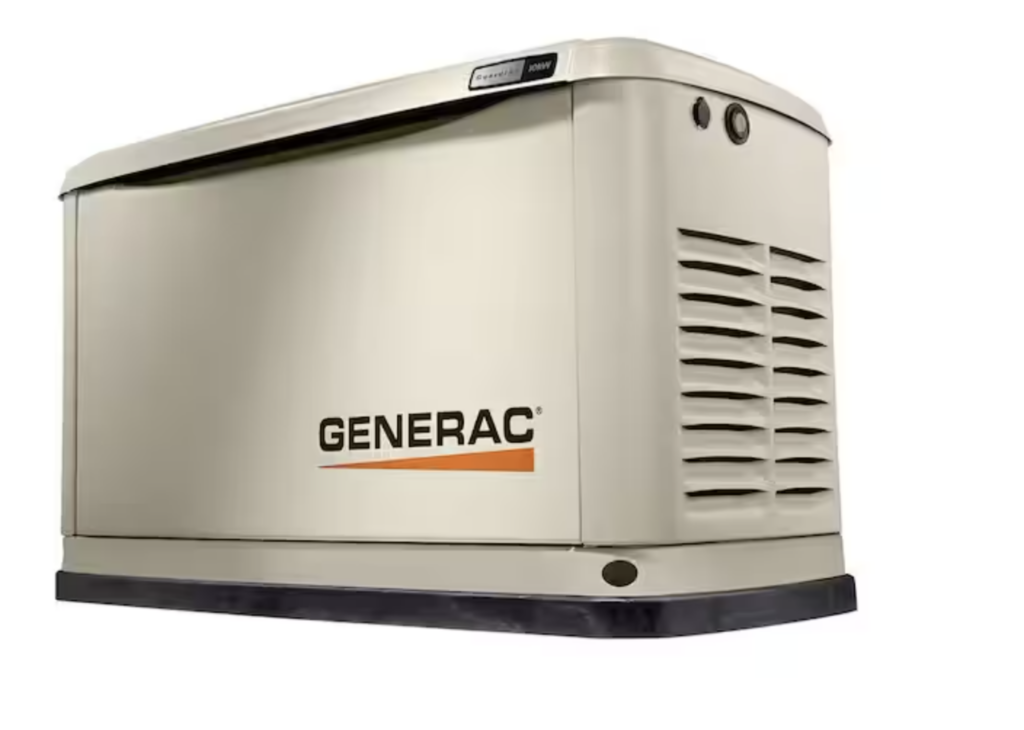
Turn off the Generac generator completely. Let it cool for a few minutes. Open the fuel cap and slowly pour in recommended fuel. Avoid spills and overfilling. Secure the fuel cap tightly. Ensure safe storage of any unused fuel. Always refuel in a well-ventilated area.
Can You Refuel A Generator Without Turning It Off?
No, refueling a generator while it’s running is unsafe. Turn it off and let it cool first. This prevents potential fire hazards and ensures safety. Always follow the manufacturer’s instructions for refueling procedures to avoid accidents and maintain generator performance.
Safety should always be your top priority.
Conclusion
Refueling standby generators safely is crucial. Follow these guidelines carefully. Always check connections. Use recommended fuel types. Avoid spills and overfilling. Wear protective gear. Keep fire extinguishers nearby. Remember, safety first. Proper maintenance extends generator life. Regular inspections prevent costly repairs.
An informed approach minimizes risks. Reliable power depends on safe handling. Your family’s safety matters. Protect your investment wisely. Simple steps make a big difference. Stay prepared for power outages. Knowledge empowers effective action. Practice safe refueling habits. Prioritize safety every time.
Your generator will run smoothly. Enjoy peace of mind.