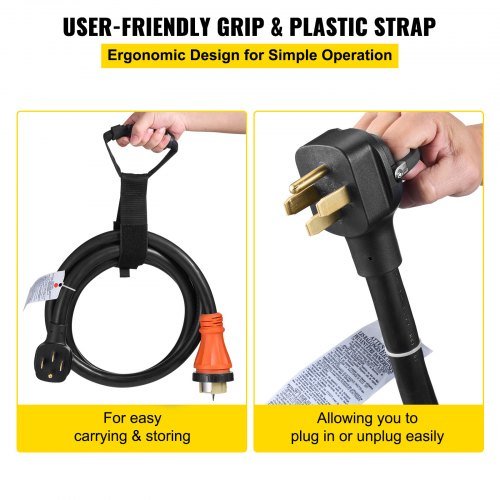
Are you confident that your generator extension cord is stored safely? If not, you’re not alone.
Many people overlook the importance of proper storage, which can lead to premature wear and safety hazards. Imagine the peace of mind you’ll have knowing your extension cord is in top shape and ready to go when you need it most.
In this guide, you’ll discover practical tips and expert advice to ensure your generator extension cord remains in excellent condition. You’ll learn how to prevent damage, avoid potential electrical risks, and extend the life of your cord. So, let’s dive in and make sure your generator extension cord is safely stored and ready to power up your needs whenever you need it.
Choosing The Right Extension Cord
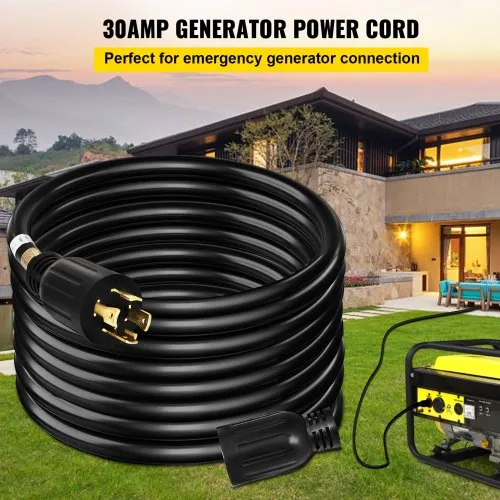
Choose an extension cord with the correct lengthto reach your generator safely. Too short cords cause strain, while too long ones can reduce power.
The gaugenumber shows the cord’s thickness. Lower gauge means thicker wire and better power flow. Use 10 or 12 gauge for most generators.
Look for weather-resistant features. Cords with a durable, water-resistant jacket resist rain and sun damage. This keeps the cord safe outdoors.
| Feature | Why It Matters |
|---|---|
| UL or ETL Certification | Ensures cord meets safety standards |
| Grounded Plug | Reduces risk of electric shock |
| Heavy-duty Jacket | Protects against cuts and abrasion |
Credit: www.vevor.ca
Preparing The Cord For Storage
Remove dirt and dust from the cord using a soft cloth. Wipe gently to avoid damage. Avoid using harsh chemicals that might harm the cord’s insulation.
Check the entire length of the cord for cracks, cuts, or exposed wires. Look closely at the plug and socket ends for bent or broken prongs. Damaged cords should not be stored without repair or replacement.
Make sure the cord is completely dry before storing. Moisture can cause rust or electrical problems later. Hang the cord or lay it flat in a dry place until fully dry.
Proper Coiling Techniques
Avoiding kinks and twistskeeps the extension cord safe and working well. Kinks can cause damage inside the cord. Twists may make the cord hard to use next time.
The over-under methodhelps coil the cord properly. Start by making a loop going over your hand. The next loop goes under. This way, the cord stays untangled and easy to uncoil.
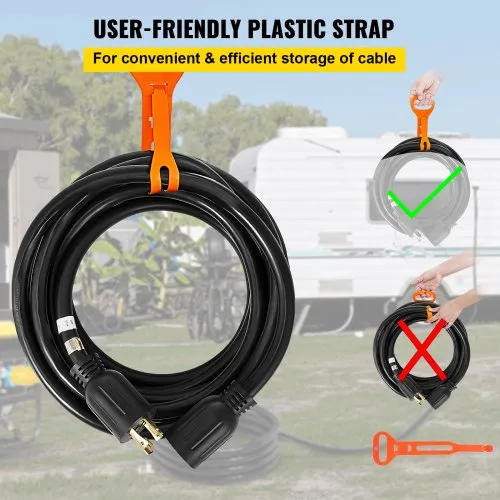
Securing the coilis key to keep it neat. Use a strong tie or strap to hold the loops together. This stops the coil from falling apart or getting tangled during storage or travel.
Credit: www.vevor.ca
Storage Environment Tips
Choose a dry placeto keep your generator extension cord safe. Moisture can cause damage and short circuits. Avoid basements or outdoor sheds that get wet easily.
Keep the storage area cool and dry. Extreme heat can melt the cord’s insulation. Cold can make it brittle and break. A place with steady, mild temperature is best.
Protect cords from pests like mice or insects. They can chew through the wiresand make the cord unsafe. Store cords in sealed plastic containers or use pest repellents near the storage area.
Using Storage Accessories
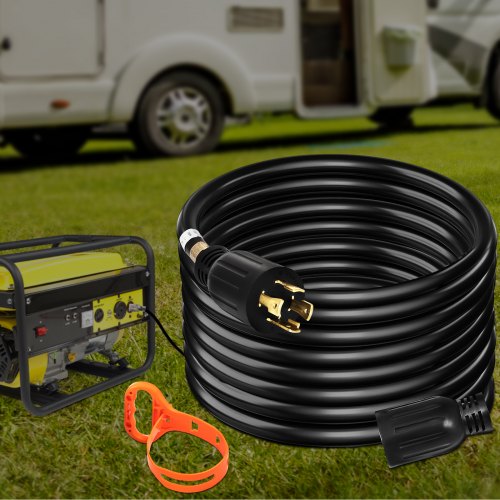
Cord reels and winderskeep extension cords neat and untangled. They protect the cord from damage and make it easy to unwind. Using these tools saves space and helps avoid trips or accidents caused by loose cords.
Storage bags and boxes are good for keeping cords safe from dust and moisture. Choose bags made of durable materials that fit the cord size. Boxes with lids provide extra protection and stack well in storage areas.
| Labeling Tips |
|---|
| Use clear, simple labels showing cord length and type |
| Place labels on both ends of the cord for easy identification |
| Color-coded tags help quickly find the right cord |
Credit: www.vevor.ca
Regular Maintenance Checks
Regular checks help keep extension cords safe and working well. Look for cuts, cracks, or worn spotson the cord’s cover. Make sure plugs are not loose or damaged. Check the cord for kinks or twiststhat could cause problems.
Test the cord by plugging it in before use. Make sure power flows properly and there are no sparks or smells. Try moving the cord while it’s on to catch hidden issues. Safety first.
Replace parts that look old or broken. Damaged plugs or wires can cause electric shocks or fires. Use parts made for your cord and follow instructions carefully. Regular care extends the cord’s life and keeps you safe.
Frequently Asked Questions
How Do I Prevent Damage When Storing Extension Cords?
Store extension cords in a cool, dry place away from direct sunlight. Coil them loosely to avoid kinks. Use cord organizers or hooks to keep them tangle-free. This prevents wear, moisture damage, and prolongs cord life.
What Is The Best Way To Coil A Generator Extension Cord?
Use the over-under method to coil cords. This technique prevents twists and tangles. Keep coils loose, avoiding tight bends. Proper coiling reduces internal wire damage and makes storage easier.
Can Moisture Affect My Generator Extension Cord Storage?
Yes, moisture can cause corrosion and electrical faults. Store cords in waterproof containers or sealed bags. Keep them elevated off damp floors. Proper moisture control ensures safe, long-lasting cords.
Should I Inspect Extension Cords Before Storage?
Yes, inspect cords for cuts, frays, or exposed wires. Repair or replace damaged cords immediately. Clean cords to remove dirt and debris. Regular inspection ensures safe operation and storage.
Conclusion
Storing your generator extension cord safely protects it from damage. Keep it dry, clean, and untangled to avoid wear. Use a sturdy reel or hook to hang the cord neatly. Check the cord regularly for any signs of wear or tear.
Proper storage helps the cord last longer and work better. Remember, a well-kept cord keeps your generator ready for use. Take simple steps today to ensure safety and reliability. Safe storage is easy and worth the effort.