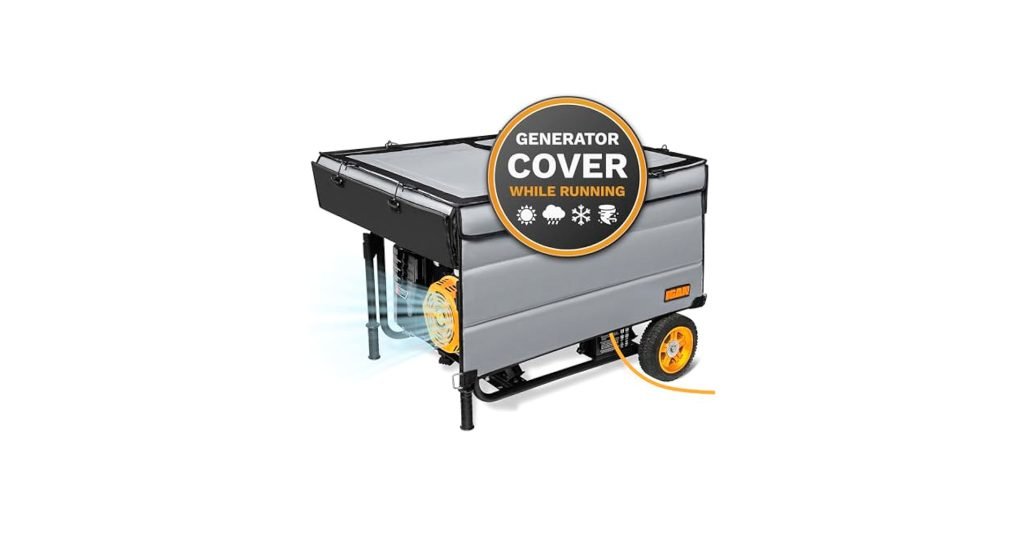
Have you ever worried about your generator cover taking flight during a storm? Living in a windy area can make it challenging to keep your generator protected.
You know how crucial it is to have your generator ready, especially when power outages hit unexpectedly. But, with gusty winds threatening to rip off or damage the cover, your generator could be left exposed to the elements. Imagine the peace of mind you’ll have knowing your generator is secure and ready to go, no matter the weather.
In this guide, you’ll discover simple yet effective strategies to ensure your generator cover stays put, even in the fiercest of winds. Stay with us as we unravel the secrets to safeguarding your essential equipment, making sure you’re always prepared for whatever nature throws your way.
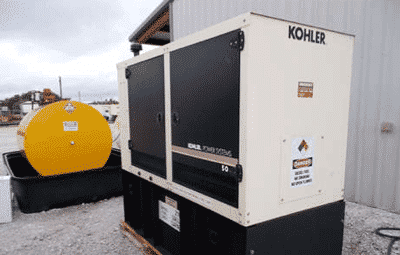
Credit: woodstockpower.com
Choosing The Right Generator Cover
Material durabilityis key for windy areas. Choose covers made from heavy-duty fabricslike polyester or vinyl. These materials resist tearing and last longer. Look for covers with reinforced stitchingfor added strength.
Size and fitmatter a lot. A cover that is too loose can flap in the wind and get damaged. A snug fit keeps the cover in place and protects the generator well. Measure your generator before buying a cover.
| Feature | What to Check |
|---|---|
| Weather Resistance | Waterproof or water-resistant to keep rain out |
| UV protection to prevent sun damage | |
| Windproof design or straps to hold cover down |

Credit: www.amazon.com
Preparing The Installation Site
Choose a flat and stable groundfor placing the generator cover. Uneven spots can cause the cover to tilt or fall during strong winds. Check the surface for any slopes or holes that may affect stability.
Remove all sticks, rocks, and leavesfrom the area. Debris can block air flow or damage the generator. A clean spot helps keep the cover secure and the generator safe.
Use wind barriers like fences, walls, or shrubs to block strong gusts. These barriers reduce wind force on the cover. Position the cover near these natural or built shields if possible.
- Place cover on solid ground
- Clear away debris and obstacles
- Set near windbreaks for protection
- Check area regularly for changes
Securing Methods For Windy Conditions
Tie-down strapsare a simple way to keep the generator cover secure. Attach the straps to strong points on the generator and pull tight. This stops the cover from flying off. Use straps made from durable materialsto withstand strong winds.
Another option is weighting the cover. Place heavy objects like sandbags or bricks around the edges. This adds extra stabilityand stops the cover from lifting. Make sure the weights are safe and won’t damagethe generator.
| Anchoring Technique | How It Works | Best Use |
|---|---|---|
| Tie-Down Straps | Straps fastened tightly to the generator | Windy days with moderate gusts |
| Weighting the Cover | Heavy objects placed on cover edges | Strong winds or stormy weather |
Additional Protection Tips
Windbreakshelp block strong gusts from hitting the generator cover directly. Use sturdy materials like wooden panels, fences, or shrubs around the generator area. This reduces the wind speed and protects the cover from tearing or flying off.
Regular maintenance checksensure the cover stays secure. Look for loose straps, tears, or worn areas. Fix any damage quickly to keep the cover strong against wind.
During severe storms, it is safer to remove the cover temporarily. Strong winds can cause more harm than good by tearing the cover or pulling the whole setup down. Store the cover in a dry place until the storm passes.
Common Mistakes To Avoid
Improper anchoringcan cause the generator cover to blow away in strong winds. Use heavy-duty stakesor anchor kits designed for windy conditions. Avoid using weak ropes or loose ties that can easily snap.
Ignoring cover wear and tearleads to failures during storms. Check the cover regularly for holes, tears, or weak spots. Replace or repair damaged covers to maintain protection.
Neglecting site preparationmakes securing difficult. Clear the area of debris and sharp objects that might damage the cover. Choose a flat surface to keep the cover stable and avoid water pooling.

Credit: www.amazon.com
Frequently Asked Questions
How Do I Anchor A Generator Cover In Strong Winds?
Use heavy-duty stakes or weights to firmly anchor the cover. Secure all corners tightly to prevent flap and displacement during gusts. Ensure the anchor points are sturdy and wind-resistant for maximum protection.
What Materials Best Protect Generator Covers From Wind Damage?
Choose wind-resistant, durable fabrics like reinforced polyester or heavy-duty canvas. These materials withstand tearing and resist water. Reinforced seams and UV protection extend the cover’s lifespan in harsh weather.
Can Bungee Cords Effectively Secure Generator Covers?
Yes, bungee cords provide flexible yet tight securing. Use multiple cords to wrap around the cover and generator frame. Ensure cords are strong and weather-resistant for reliable tension and stability.
How Often Should I Check The Generator Cover In Windy Areas?
Inspect the cover before and after storms or windy days. Frequent checks ensure anchors stay tight and no damage occurs. Regular maintenance prevents wind-related wear and prolongs cover effectiveness.
Conclusion
Securing your generator cover in windy areas protects it from damage. Use strong straps and anchors to hold the cover tight. Check the cover often to make sure it stays in place. Choose a cover made from tough, weather-resistant material.
Proper care helps your generator last longer and work better. Small efforts prevent big problems during storms. Stay safe and keep your equipment ready for any weather. Simple steps make a big difference in windy conditions.