
Imagine a stormy night where the power suddenly goes out, and you’re left in the dark. A standby generator can be your savior in such situations, keeping your home powered and your worries at bay.
But how do you choose the right one? With so many options available, selecting the perfect standby generator can feel overwhelming. This guide will simplify the process for you. By understanding your specific needs and what features to look for, you can make a confident decision.
Ready to ensure your home never goes dark again? Let’s explore how to choose a standby generator that suits your lifestyle and keeps your family safe.

Credit: newlondonelectric.com
Types Of Standby Generators
Portablegenerators are easy to move and use in different places. They are usually smaller and less expensive. Permanentgenerators are fixed outside a building. They start automatically during power outages and provide more power.
Common fuel optionsinclude:
- Gasoline:Easy to find but needs frequent refills.
- Propane:Cleaner and can be stored longer.
- Natural Gas:Connected to home supply, no need to refill.
- Diesel:Powerful and good for long use.
An Automatic Transfer Switch (ATS)helps switch power from the main grid to the generator. It turns on the generator right after a power outage. This keeps your home powered without any delay or manual effort.

Credit: norwall.com
Power Requirements
Calculate your total power needsby adding the watts of all devices. Decide if you want to power only essential appliancesor your full home. Essential backup means just basics like lights, fridge, and heater. Full backup powers everything at once.
| Type | Definition | Example |
|---|---|---|
| Starting Watts | The extra power needed to start devices. | Air conditioners or refrigerators require more power to start. |
| Running Watts | The power needed to keep devices running. | Light bulbs and TVs use steady power after starting. |
- Make a list of all devices you want to power.
- Check each device’s starting and running watts.
- Add starting watts for devices that start at the same time.
- Choose a generator that covers the total starting and running watts.
Key Features To Consider
Noise levelsare important for comfort. Choose a generator that runs quietly. This keeps your home peaceful during power outages. Some models come with noise-reducing covers.
Run time and fuel efficiencyaffect how long the generator works. Longer run time means fewer refills. Fuel-efficient models save money and reduce trips to buy fuel. Check the fuel type: propane, natural gas, or diesel.
Maintenance needsimpact your time and cost. Some generators need frequent oil changes and checks. Look for models with easy maintenance or automatic features. Regular care keeps the generator reliable and safe.
Installation And Placement
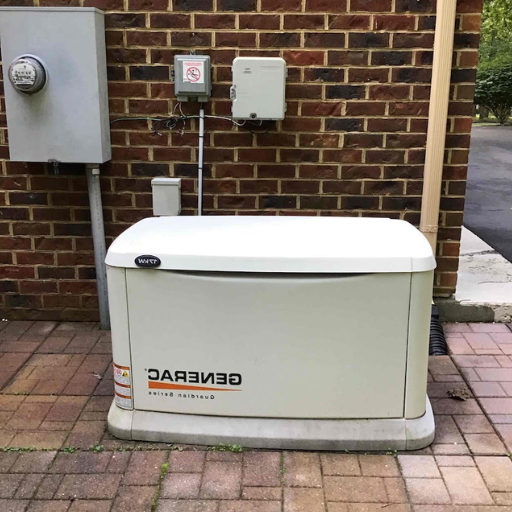
Preparing the site is key. Choose a flat, dry spot away from windows and doors. Clear any plants or debris to keep the area clean. The generator needs good airflow and no risk of flooding.
Professional installation ensures safety and proper function. Experts connect the generator to your home’s power system. They check fuel lines and electrical wiring for correct setup.
Local codes and permits must be followed. Contact your city or county office for rules. Permits may be needed before starting installation. This keeps the setup legal and safe.
Budget And Cost Factors
Initial investmentincludes the price of the generator and installation. Bigger generators cost more but power more devices. Installation can vary depending on your home and local rules. Budget for this carefully.
Operating costscover fuel, maintenance, and repairs. Gasoline or propane prices can change, so expect varying fuel expenses. Regular oil changes and check-ups keep the generator running well. Plan ahead for these ongoing costs.
| Warranty and Support | Details |
|---|---|
| Warranty length | Longer warranties offer peace of mind |
| Coverage | Check what parts and labor are included |
| Customer support | Easy access to help and service centers |
Credit: shgeneratorset.com
Top Brands And Models
Top brandsin standby generators include Generac, Kohler, and Briggs & Stratton. These brands offer models with varied power outputsto suit different home needs. Generac’s Guardian Series is popular for its reliable automatic start. Kohler’s models are known for quiet operationand durability. Briggs & Stratton provides affordable optionswith solid performance.
User reviews often highlight easy installationand efficient customer support. Ratings show that fuel efficiencyand low noise levelsmatter most to buyers. Many prefer models with mobile appsto monitor generator status remotely.
| Brand | Model | Power Output (kW) | User Rating (out of 5) | Key Feature |
|---|---|---|---|---|
| Generac | Guardian 22kW | 22 | 4.6 | Automatic start |
| Kohler | 20RESCL | 20 | 4.5 | Quiet operation |
| Briggs & Stratton | 40346 | 20 | 4.3 | Affordable price |
Safety And Compliance
Carbon monoxide (CO)is a dangerous gas from standby generators. It is colorlessand odorless, so people cannot see or smell it. Proper placement of the generator is key to prevent CO buildup. Never place generators inside homes, garages, or near doors and windows.
Proper ventilationensures harmful gases escape safely. Standby generators must be installed outdoors with clear air flow. A good distance from living spaces helps avoid gas entering the home.
| Regulatory Standards | Description |
|---|---|
| EPA | Limits emissions to reduce air pollution. |
| NFPA 110 | Provides safety rules for standby power systems. |
| Local Codes | Must follow city or state building and safety rules. |
Frequently Asked Questions
What Size Standby Generator Do I Need For My Home?
Calculate your total power needs by listing essential appliances. Choose a generator with at least 20-25% higher capacity for safety. This ensures reliable power during outages without overloading the system.
How Much Does A Standby Generator Cost?
Standby generators typically cost between $2,000 and $7,000, excluding installation. Installation adds $3,000 to $5,000 depending on complexity. Costs vary by brand, size, and features, so budget accordingly.
Can A Standby Generator Power An Entire House?
Yes, a properly sized standby generator can power your entire home. It depends on the generator’s wattage and your home’s energy consumption. Always match generator capacity to your home’s total electrical load.
How Often Should I Maintain My Standby Generator?
Perform maintenance at least once a year or after 200 hours of use. Regular checks include oil changes, battery tests, and system inspections to ensure reliability and longevity.
Conclusion
Choosing the right standby generator ensures power during outages. Check your home’s power needs first. Consider fuel type and generator size carefully. Don’t forget about installation and maintenance costs. Safety features and noise levels matter a lot. Take your time to compare different models.
A good generator gives peace of mind and comfort. Stay prepared for any power loss ahead.