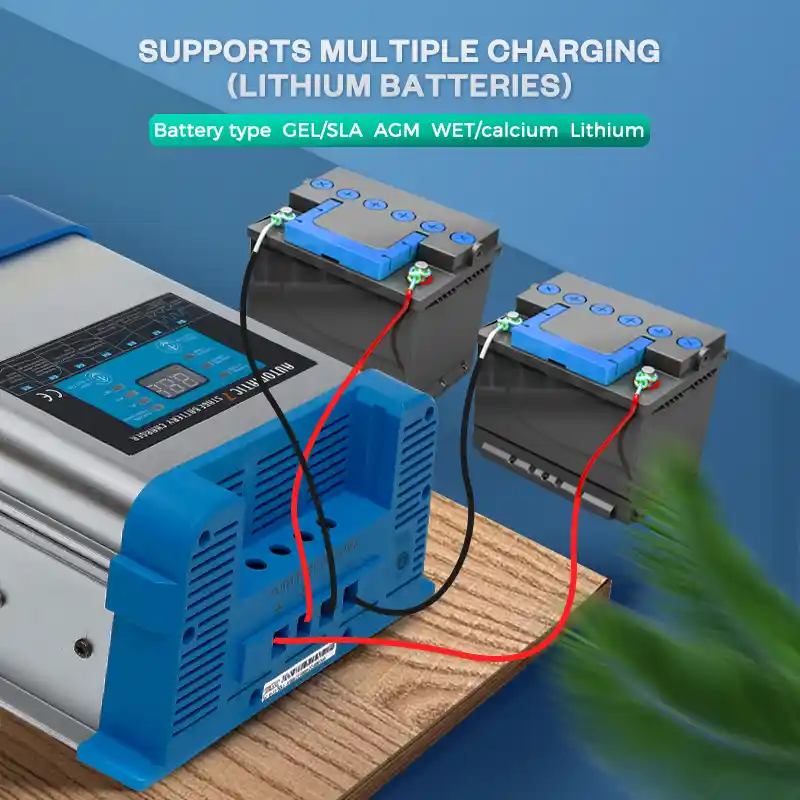
When your portable generator’s battery starts to run low, having the right charger can make all the difference. Selecting the perfect battery charger for your generator isn’t just about compatibility; it’s about ensuring reliability and peace of mind.
Imagine a situation where you need power, but your generator is down because the battery isn’t charged. Frustrating, right? By choosing the right charger, you’re not only safeguarding your generator but also ensuring you have power when you need it most.
In this guide, you’ll discover how to select the best battery charger tailored for your portable generator, ensuring you’re never left in the dark. Let’s dive into what you need to consider to make the best choice for your needs.

Credit: www.amazon.com
Types Of Battery Chargers
Trickle chargerssupply a low, steady charge to keep batteries full. They work slowly and are safe for long-term use. Ideal for maintaining a generator’s battery during storage.
Smart chargersadjust the charge based on battery needs. They prevent overcharging by stopping or lowering power once full. This helps extend battery life and saves energy.
Fast chargersdeliver high power to quickly recharge a battery. Useful when a generator needs a quick start. But, they can heat the battery and reduce its lifespan if used often.
Key Factors To Consider
Choosing a battery charger means checking battery type compatibility. Some chargers work only with lead-acid batteries, while others fit lithium-ion or AGM types. Using the wrong charger can damage the battery.
Charging speed matters. Faster chargers save time but may shorten battery life. A balanced charging speed is best for long-term use.
| Power Output (Watts) | Suitable Generator Size |
|---|---|
| Under 100W | Small portable generators |
| 100W – 300W | Medium generators |
| Above 300W | Large or heavy-duty generators |
Portability and size affect convenience. Small, lightweight chargers are easy to carry and store. Larger chargers may offer more power but are less handy.
Matching Charger To Generator Battery
Choosing the right charger means matching the voltageto the generator battery. Most portable generators use either 12V or 24V batteries. Using the wrong voltage can damage the battery or charger.
Battery capacity, shown in amp-hours (Ah), tells how much charge the battery holds. Chargers should match or slightly exceed this capacity. Too small a charger will take too long; too big may overcharge.
| Battery Chemistry | Charger Type Needed |
|---|---|
| Lead-Acid (Flooded) | Standard charger with bulk, absorption, float stages |
| AGM or Gel | Smart charger with controlled voltage and current |
| Lithium-Ion | Charger with precise voltage control and safety features |
Safety Features To Look For
Overcharge protectionstops the battery from charging too much. This keeps the battery safe and lasts longer. It also prevents damage or fire risks.
Short circuit protectionstops the flow of electricity if there is a fault. This protects the charger, battery, and user from harm. It helps avoid accidents and damage.
Temperature controlkeeps the charger from getting too hot. It stops overheating by lowering power or turning off. This feature protects the battery and charger from heat damage.
Additional Features
Display and indicatorshelp you see the charger’s status easily. They show battery level and charging progress. Some have lights or digital screens for clear information.
Automatic shutoffstops charging when the battery is full. This prevents overcharging and protects the battery from damage. It saves energy and extends battery life.
Weather resistanceis important if you charge outdoors. A weather-resistant charger works well in rain, dust, or cold. Look for chargers with good casing and seals to keep water out.
Budget And Brand Considerations
Choosing a battery chargerinvolves balancing cost and quality. Cheaper models may save money but might lack durability. Higher-quality chargers often have better safety features and last longer. Spending a bit more can avoid future issues.
Reputable brandsoffer reliable products and better performance. They usually follow strict quality standards. Brand reputation often means better customer trust and satisfaction.
| Brand | Known For | Typical Warranty |
|---|---|---|
| Brand A | Durability and safety features | 2 years |
| Brand B | Affordable and simple use | 1 year |
| Brand C | High-tech chargers | 3 years |
Warranty and supportmatter a lot. A good warranty protects from defects. Support services help solve problems quickly. Check warranty length and what it covers before buying.
Maintenance Tips For Battery Chargers
Store battery chargersin a dry, cool place. Avoid places with high heat or moisture. Keep them away from direct sunlight and dust. Proper storage helps extend the charger’s life.
Check chargers often for any signs of damage or wear. Look for cracks, frayed wires, or loose parts. Regular inspection can help prevent malfunctionsand keep your charger safe to use.
Clean the charger gently with a dry cloth. Avoid using water or harsh chemicals. Dust and dirt can block vents and cause overheating. Keep the charger clean to ensure good airflowand proper function.

Credit: outbax.com.au
Credit: www.pbo.co.uk
Frequently Asked Questions
What Factors To Consider When Choosing A Battery Charger?
Consider voltage compatibility, charging speed, and charger type. Ensure the charger matches your generator battery specifications for safety and efficiency.
Can I Use Any Charger For My Portable Generator?
No, use a charger designed for your generator’s battery type. Using the wrong charger can damage the battery or reduce its lifespan.
How Important Is Charger Amperage For Portable Generators?
Charger amperage affects charging speed. Choose a charger with appropriate amperage to avoid overcharging or undercharging the generator battery.
Should I Choose A Smart Charger Or A Manual Charger?
Smart chargers automatically adjust charging to protect the battery. They are safer and more efficient than manual chargers for portable generators.
Conclusion
Choosing the right battery charger helps keep your portable generator ready. Check the charger’s voltage and compatibility first. Pick one that matches your generator’s battery type. Safety features matter to protect both you and your equipment. A good charger saves time and avoids damage.
Take your time to compare options carefully. A smart choice ensures your generator works when needed. Simple steps make a big difference in power backup. Stay prepared with the correct charger for peace of mind.