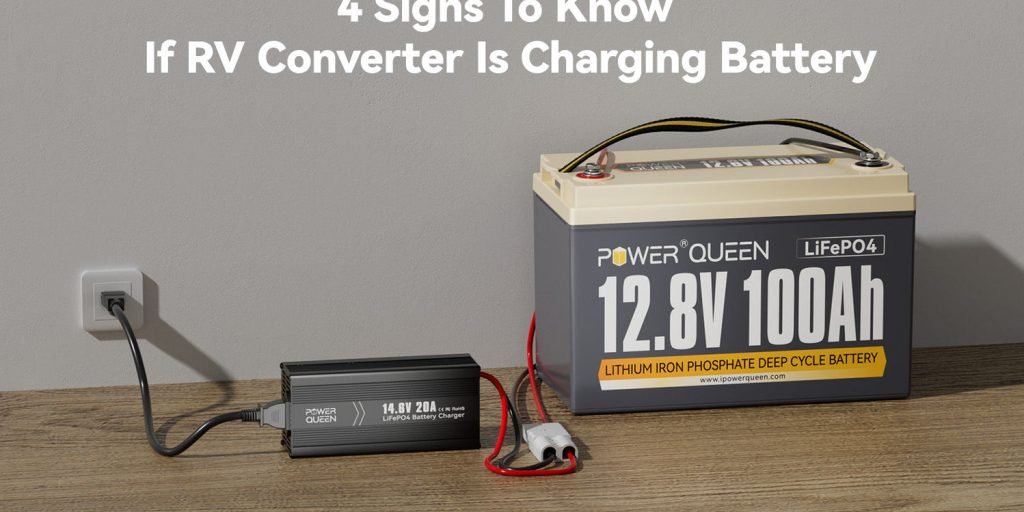
Choosing the right battery charger for your RV generator can feel overwhelming. With so many options available, how do you know which one will suit your needs best?
Imagine the peace of mind knowing that your RV is always powered up, ready for your next adventure. The right charger can make all the difference, ensuring your trips are hassle-free and enjoyable. In this guide, you’ll discover the key factors to consider when selecting a battery charger, helping you make a confident decision.
Ready to unlock the secrets to worry-free RV travel? Let’s dive in and find out what you need to look for!
Types Of Rv Generator Batteries
Lead-acid batteriesare common for RV generators. They are heavy but cost less. These batteries need regular maintenance like adding water.
Lithium-ion batteriesare lighter and last longer. They charge faster and have more power. These batteries cost more but work well for long trips.
AGM batteriesare a type of lead-acid battery but sealed. They need no watering and are spill-proof. AGM batteries handle vibrations better, good for RV travel.
Key Charger Features To Consider
Charging voltage and currentmust match your RV generator’s battery. Too high voltage can damage the battery. Too low current means slow charging. Choose a charger that offers adjustable voltage and current settings to fit different battery types and sizes.
Automatic charging modes help keep the battery healthy. Chargers with modes like bulk, absorption, and float adjust power delivery as the battery charges. This avoids overcharging and extends battery life.
- Overcharge protection:Stops charging when the battery is full.
- Short circuit protection:Prevents damage from wiring faults.
- Reverse polarity protection:Avoids damage if cables connect wrong.
- Temperature compensation:Adjusts charging based on battery temperature.
Matching Charger To Battery Type
Battery chargers must match the battery chemistryto work well. Different batteries like lead-acid, AGM, gel,or lithiumneed different charging methods. Using the wrong charger can damagethe battery or reduce its life.
Chargers come with different charging profiles. These profiles control how fast and how much voltage the battery gets. Some chargers let you adjust the charging profileto match the battery type. This helps keep the battery healthy and safe.
- Lead-acid batteries need a constant voltagecharger.
- AGM and gel batteries require lower voltagecharging.
- Lithium batteries need a smart chargerwith exact settings.
- Adjustable chargers allow custom charging profiles.
Power Source And Portability
AC chargersplug into standard wall outlets. They provide steady power for most RV generators. DC chargersconnect directly to the battery. They charge faster but need proper matching with battery type.
Choosing between portableand fixed chargersdepends on use. Portable chargers are easy to carry and use in different spots. Fixed chargers stay in one place but offer constant power supply.
| Type | Advantages | Disadvantages |
|---|---|---|
| AC Charger | Easy to use, steady power | Slower charging |
| DC Charger | Fast charging, direct connection | Needs battery match, less common |
| Portable Charger | Light, flexible use | May have less power |
| Fixed Charger | Constant power, stable | Not movable |
Additional Functionalities
Battery maintenance featureshelp keep the battery healthy for a long time. These features prevent overcharging and deep discharge, which can damage the battery.
Temperature compensationadjusts the charging rate based on the battery’s temperature. This protects the battery in cold or hot weather, improving its performance and life.
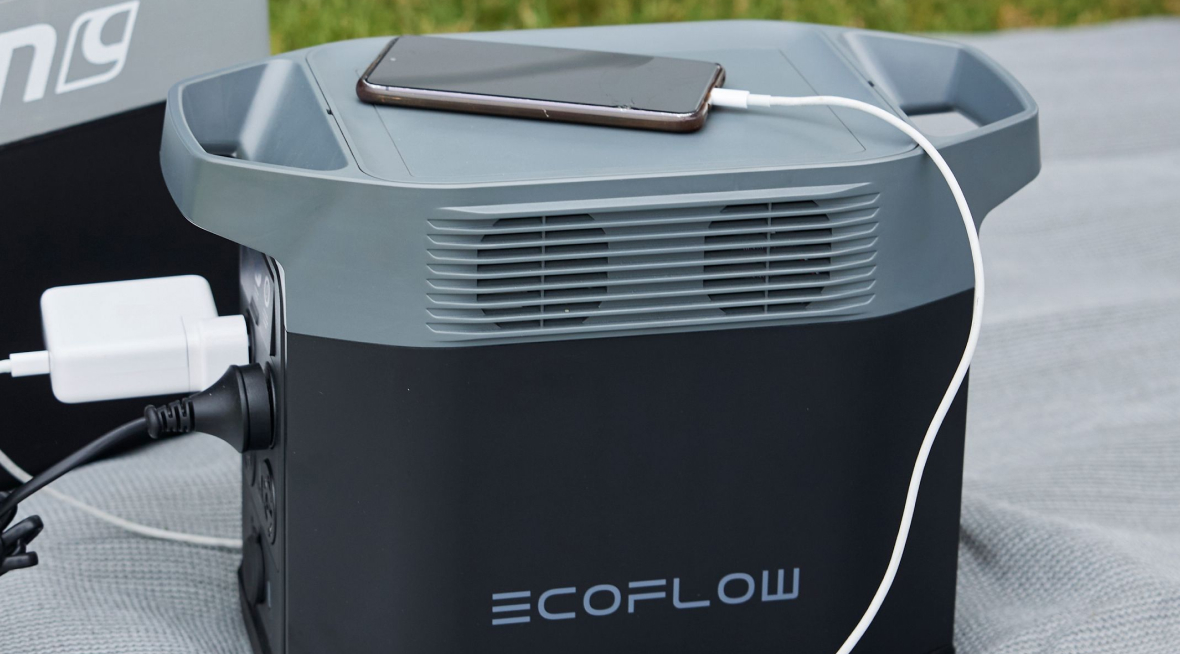
Smart charging technologyuses sensors and microprocessors to control the charging process. It can detect battery status and change charging speed for safe and efficient charging.
- Prevents battery damage
- Improves battery life
- Adapts to weather conditions
- Ensures safe charging
Credit: www.rvsupercentre.co.nz
Budget And Warranty Considerations
Choosing a battery charger means balancing costand quality. Cheaper chargers may save money now but might not last long. Quality chargers often have better parts and work more reliably over time.
Look for chargers with good warrantyand customer support. A longer warranty shows the maker trusts their product. Support helps if the charger breaks or has problems.
| Aspect | What to Check |
|---|---|
| Cost | Compare prices but focus on value, not just low price |
| Quality | Look for durable materials and good reviews |
| Warranty | Prefer at least 1-2 years warranty period |
| Support | Check if customer help is easy to reach and helpful |
Installation Tips And Best Practices
Proper wiringis key for safe and effective charger installation. Use wires with correct thicknessto handle the power load. Secure all connections tightly to avoid sparks or shorts. Keep wires away from heat sources and sharp edges.
Safety precautionsmust always be a priority. Disconnect the generator and battery before starting any work. Wear protective glovesand eye protection. Use tools with insulated handles. Double-check connections to prevent electric shocks.
Regular maintenancekeeps the charger working well. Check wires and terminals for corrosion or damageoften. Clean battery terminals using a baking soda mix and a brush. Test the charger periodically to ensure it charges properly.

Credit: ipowerqueen.com

Credit: intelligentcontrols.io
Frequently Asked Questions
What Factors Determine The Best Charger For An Rv Generator?
The best charger depends on your battery type, capacity, and generator output. Choose a charger that matches voltage and amps. Consider smart chargers with automatic shutoff for safety and efficiency. Compatibility with your RV’s electrical system is essential for optimal performance.
How Do I Know The Right Charger Size For My Rv Battery?
Select a charger that delivers 10-20% of your battery’s amp-hour rating. This ensures efficient charging without overloading. Check your battery specifications and match the charger’s output accordingly. Proper sizing extends battery life and improves charging speed.
Can I Use A Solar Charger For My Rv Generator Battery?
Yes, solar chargers can maintain your RV generator battery. They offer a sustainable, off-grid charging option. Ensure the solar charger’s voltage and current match your battery’s needs. Use a charge controller to prevent overcharging and prolong battery health.
Why Is A Smart Charger Better For Rv Generator Batteries?
Smart chargers adjust voltage and current automatically during charging. They prevent overcharging and improve battery lifespan. These chargers detect battery status and optimize charging phases. Using a smart charger enhances safety and saves energy.
Conclusion
Choosing the right battery charger keeps your RV generator ready and strong. Check the charger’s voltage and current to match your battery. A charger with safety features protects your battery and yourself. Size and portability matter for easy storage and travel.
Simple controls help you use the charger without trouble. Taking time to pick the best charger saves money and stress later. Keep your RV powered and enjoy your trips without worry.