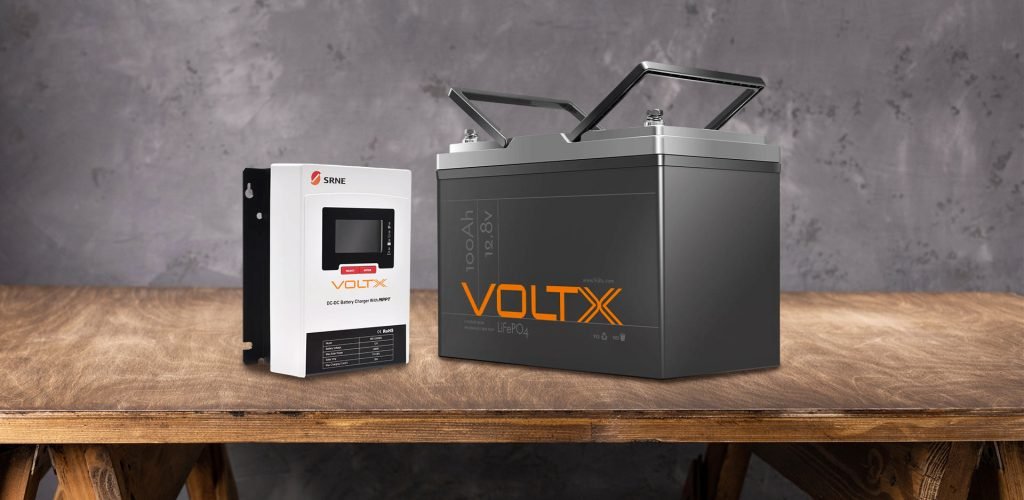
Choosing the right battery charger for your standby generator can feel overwhelming, especially with so many options on the market. But getting it right is crucial.
The right charger ensures your generator is always ready to kick in when you need it most, providing peace of mind in emergencies. Imagine the frustration of a power outage only to find your generator’s battery is dead. You deserve better than that.
In this guide, we’ll simplify the selection process, helping you make a confident and informed decision. Stick with us to discover the key factors you should consider, ensuring you’re always prepared when it matters.
Credit: www.nytimes.com
Types Of Battery Chargers
Manual chargersrequire constant attention. You must check the battery and disconnect the charger once charged. They are simple and cheap but can overcharge the battery if left too long. Best for occasional use or emergencies.
Automatic chargersstop charging when the battery is full. They reduce the risk of overcharging and damage. These chargers are easy to use and need less monitoring. Good choice for regular battery maintenance.
Smart chargersadjust the charging process based on battery condition. They offer multiple charging modes for different battery types. Smart chargers can extend battery life by avoiding overcharge and undercharge. Ideal for long-term standby generators.
Key Charger Specifications
Voltage compatibilityensures the charger matches your generator’s battery voltage. Most standby generators use 12V or 24V batteries. Using the wrong voltage can damage the battery or charger.
Charging currentis the amount of electricity the charger delivers. A higher current means faster charging but can harm the battery if too high. Choose a charger with a current rating that fits your battery size.
- Bulk mode:Charges battery quickly to about 80%.
- Absorption mode:Slows charging to protect battery.
- Float mode:Maintains full charge without overcharging.
Different charging modeshelp keep the battery healthy and ready. Smart chargers switch modes automatically based on battery needs.
Battery Types And Charger Matching
Lead-acid batteriesare common in standby generators. They need chargers with a steady, low voltage to avoid damage. Chargers must match the battery’s voltage and support float charging to keep batteries full but not overcharged.
Lithium-ion batteriesrequire smart chargers. These chargers adjust voltage and current automatically. They protect the battery from overheating and overcharging. Chargers must support the battery’s specific chemistry for safety and longer life.
Other battery chemistries like nickel-cadmium or nickel-metal hydride need chargers designed for their unique voltage and charging cycles. Using the wrong charger can harm the battery or reduce performance. Always check the battery type before choosing a charger.
Credit: battlebornbatteries.com
Safety Features To Consider
Overcharge protectionstops the battery from getting too much power. This keeps the battery safe and lasts longer. A charger with this feature turns off or lowers power when the battery is full.
Short circuit protectionstops damage if wires touch or a fault happens. It prevents sparks and fire risks. This feature makes the charger safer to use around your home.
Temperature compensationadjusts charging based on heat or cold. Batteries charge differently in warm or cold weather. This feature helps keep the battery healthy in all temperatures.
Environmental Factors
The operating temperature rangeis crucial for battery chargers. Choose one that works well in your climate. Some chargers fail in very cold or hot places.
Weather resistanceprotects the charger from rain, dust, and snow. A charger with a good IP ratinglasts longer outdoors. This keeps the battery safe.
The installation locationaffects charger choice. Indoor spots need less protection than outdoor spots. A dry, shaded area helps chargers work better. Make sure there is enough air flow to avoid overheating.
Energy Efficiency And Maintenance
Power consumptionaffects energy costs and charger efficiency. Choose a charger with low power use. Chargers with energy-saving modesreduce waste. This keeps electricity bills low.
Maintenance requirementsvary by charger type. Some chargers need regular checksand cleaning. Others are maintenance-free. Pick one that fits your ability to maintain it. Easy upkeep saves time and money. Always check the charger’s manual for specific care instructions.
Budget And Warranty
Choosing a battery charger means balancing costand quality. Cheaper chargers may save money upfront but can fail sooner. High-quality chargers last longer and work better in cold or hot weather. Spending a bit more often pays off over time.
Warranty termsprotect your purchase. A good warranty covers parts and labor for at least one year. Some brands offer longer or even lifetime warranties. Check if the warranty includes damage from power surges or misuse. This gives extra peace of mind.
| Warranty Feature | Why It Matters |
|---|---|
| Duration | Longer warranty means better protection for your investment |
| Coverage | Includes parts and labor to save repair costs |
| Damage Protection | Protects against unexpected issues like power surges |
Credit: www.nytimes.com
Frequently Asked Questions
What Is The Best Charger For A Standby Generator Battery?
The best charger matches your battery’s voltage and capacity. Choose a smart charger with automatic voltage regulation to prevent overcharging. Ensure compatibility with your generator’s battery type for optimal performance and lifespan.
How Do I Determine Charger Size For My Generator?
Check your battery’s amp-hour rating to size the charger properly. A charger rated at 10-20% of the battery’s capacity usually works well. Correct sizing prevents battery damage and ensures efficient charging.
Can I Use Any Charger For Standby Generator Batteries?
No, use chargers designed for lead-acid or AGM batteries commonly in generators. Using incompatible chargers risks battery damage or reduced lifespan. Always verify charger specifications match your battery type and voltage.
How Important Is Voltage Compatibility In Battery Chargers?
Voltage compatibility is critical to avoid battery damage or failure. Chargers must match the battery’s voltage, typically 12V or 24V for standby generators. Incorrect voltage can cause undercharging or overcharging issues.
Conclusion
Choosing the right battery charger keeps your standby generator ready. Check charger voltage and current to match your battery type. A good charger extends battery life and ensures reliable power. Avoid chargers that do not fit your generator’s needs. Simple and correct choices save time and prevent problems.
Keep your generator working when you need it most. Stay safe and prepared with the right charger.