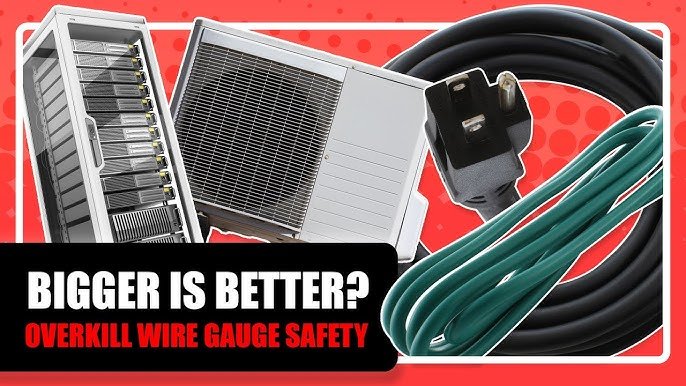
Choosing the right gauge for your generator cable is crucial. It ensures your generator runs efficiently and safely, preventing potential hazards.
The wrong choice can lead to overheating, energy loss, or even damage to your equipment. But don’t worry, selecting the correct gauge doesn’t have to be complicated. Imagine having peace of mind knowing your generator is working optimally. That’s what this guide aims to offer you.
You’ll discover the simple steps to determine the right cable gauge, tailored for your specific generator needs. Ready to make the right choice? Let’s dive in and empower your generator with the best possible connection.
Factors Influencing Cable Gauge
Current Capacityis key to choosing cable gauge. The cable must carry the generator’s load without overheating. Always select a gauge that supports more than the generator’s max current.
Cable Lengthaffects resistance. Longer cables need thicker wires to reduce power loss. Thin cables over long distances cause heat and voltage drop.
Voltage Dropcan harm appliances. A bigger cable gauge lowers voltage drop. Keep voltage drop under 3% for safety and efficiency.
Ambient Temperatureimpacts cable performance. Higher temperatures reduce cable capacity. Choose a gauge that handles your area’s heat.
Installation Environmentmatters. Cables exposed to moisture or chemicals need special insulation. Underground cables require tougher protection than indoor ones.

Credit: www.reddit.com
Types Of Generator Cables
Copper cableshave better conductivity and last longer. They are usually heavier and cost more. Aluminum cablesare lighter and cheaper but carry less current and can corrode easier. For safety and efficiency, copper is often the preferred choice.
Insulation protects cables from heat, moisture, and damage. Common materials include PVC, which is flexible and affordable, and XLPE, which offers better heat resistance and durability. Choosing the right insulation depends on the environment and temperature.
Flexible cablesbend easily, ideal for moving parts or tight spaces. Rigid cablesare stiffer and best for fixed installations. The choice depends on how and where the cable will be used.
Calculating Cable Size
First, calculate the load currentby adding the power of all devices connected to the generator. Use the formula Current (Amps) = Power (Watts) ÷ Voltage (Volts). This gives the total current the cable must carry safely.
Check the voltage drop limitallowed for your system. Too much drop causes poor performance and damage. Usually, keep voltage drop under 3%. Use the cable length and current to find acceptable cable size.
Standard cable charts show cable sizes with their current ratings and voltage drops. Match your calculated current and length with the chart to select the right cable gauge. Choose a size that keeps voltage drop low and handles the load safely.
Safety Standards And Regulations
National Electrical Code (NEC)sets rules for safe cable use. It defines the correct gaugefor different loads. Following NEC helps avoid overheatingand fires. Always check the latest NEC edition for updates.
Local Regulationsmay have extra rules. These rules can differ by city or state. They ensure cables meet specific safety needs. Checking local codes prevents legal issuesand installation problems.
Manufacturer Recommendationsgive exact cable specs. They tell which gaugefits your generator model. Using recommended cables keeps warrantyvalid and ensures performance. Always match cable size to the generator’s specs for safety.
Common Mistakes To Avoid
Undersizing cablescan cause overheating and power loss. It may also damage your generator and connected devices. Choose a cable size that matches the load to keep everything safe and working well.
Ignoring environmental factorssuch as temperature and moisture can reduce cable life. Outdoor cables need protection against rain and sun. High temperatures require cables that handle heat without melting or losing power.
Overlooking future expansionmeans you might need to replace cables soon. Plan for extra capacity if you add more equipment later. This saves time and money in the long run.

Credit: www.premium-electric.ca
Tools And Resources
Cable sizing calculatorshelp find the right cable size fast. They use input datalike load, distance, and voltage drop limits. Many calculators are free online tools. These tools reduce mistakesand save time.
Professional consultationis key. Experts can check all factors that affect cable size. They offer advice based on experience and safety codes. Talking to a professional ensures correct and safecable choice.
Reference guidesprovide tables and charts for cable sizes. These guides show ampacity, voltage drop, and cable types. They are useful for quick checks and understanding standards. Always use updated and trusted guides for accuracy.
Credit: cordsets.org
Frequently Asked Questions
What Is The Ideal Cable Gauge For A Generator?
The ideal cable gauge depends on the generator’s wattage and distance. Larger wattage or longer distances require thicker cables to ensure safety and efficiency.
How Does Cable Gauge Affect Generator Performance?
Using the correct cable gauge minimizes voltage drop and overheating. It ensures efficient power delivery and protects both the generator and connected devices.
Can I Use A Smaller Gauge Cable For My Generator?
Using a smaller gauge cable can cause overheating and voltage drop. It risks damaging your generator and connected equipment, so always use the recommended gauge.
How To Calculate The Right Cable Gauge For My Generator?
Calculate based on generator wattage, cable length, and acceptable voltage drop. Use online calculators or charts to select the proper gauge for safe operation.
Conclusion
Choosing the right gauge for your generator cable matters a lot. It keeps your system safe and works well. Think about the power load and cable length first. Too thin a cable can cause overheating and damage. Too thick can be costly and hard to handle.
Follow guidelines and check your generator’s specs. Simple steps make your setup reliable and efficient. This helps avoid future problems and saves money. Always pick the cable size that matches your needs perfectly. Safety and performance come from the right cable gauge.