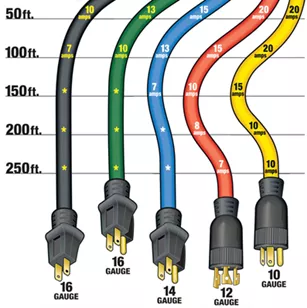
Are you tired of the constant worry about whether your extension cord is the right length for your generator? Choosing the correct extension cord length is crucial not just for convenience but also for safety and efficiency.
Imagine setting up your generator only to find your extension cord is too short, leaving you in a bind during a power outage. Or worse, using a cord that’s too long and experiencing a drop in performance. In this guide, you’ll discover practical tips to help you select the perfect extension cord length for your generator, ensuring peace of mind and optimal performance.
By the end of this article, you’ll have the confidence and knowledge to make an informed decision, so you can power your appliances safely and efficiently. Keep reading to unlock the secrets to a seamless generator setup!

Credit: www.amazon.ca
Factors Affecting Cord Length
Power requirementsdecide the cord size and length. A high power need means a thicker, shorter cord. Thinner cords over long distances cause overheating and fire risks.
Distance from generatoraffects voltage drop. The longer the cord, the more voltage drops. This drop can make your tools weaker or stop them from working.
| Factor | Effect |
|---|---|
| Power Requirements | Need thicker cords for high power to avoid heat and damage |
| Distance from Generator | Long cords cause voltage drop, reducing tool performance |
| Voltage Drop | Too much drop can harm equipment or stop it from working |
Types Of Extension Cords
Indoor extension cordsare not made to handle wet or rough conditions. They have thinner insulation and are less durable. Outdoor cordsare thicker, with stronger insulation to resist moisture, heat, and sunlight. Always pick cords marked “for outdoor use”when using a generator outside.
Extension cords have different gauge ratings. The gauge tells how thick the wire is. Lower numbers mean thicker wire and can carry more power. For generators, use cords with a gauge of 12 or lower for safety and performance.
| Gauge Number | Wire Thickness | Best Use |
|---|---|---|
| 16 | Thin | Small appliances, indoor |
| 14 | Medium | Light outdoor use |
| 12 | Thick | Heavy outdoor use, generators |
Extension cords use different materialsfor wires and insulation. Copper wires carry electricity well and last longer. Cheap cords might use aluminum, which is less safe. Insulation should be strong and flexible, like rubber or plastic, to protect from damage.
Calculating The Right Length
Measure the distance from the generator to the device carefully. Use a tape measure or a long string to get the exact length. Add a little extra length for safety and easy connection.
Extra length helps if you need to move the generator a bit or avoid obstacles. But too much extra cord can cause power loss and be dangerous.
- Measure the exact distancebetween generator and device.
- Add 3 to 5 feetfor flexibility and safety.
- Avoid cords longer than necessaryto reduce power drop.
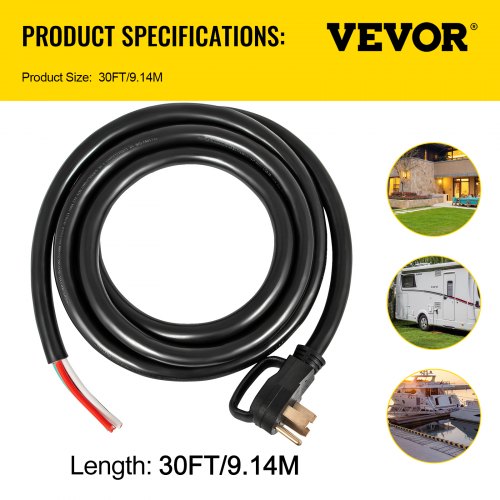
Credit: www.vevor.ca
Safety Tips For Extension Cords
Place extension cords where they won’t cause trips or damage. Keep cords away from water and sharp edges. Avoid running cords under rugs or heavy furniture. Secure cords to prevent pulling or tugging.
Never connect cords that exceed their power rating. Overloading can cause cords to overheat and start fires. Use cords that match the generator’s wattage needs. Check the cord’s gauge and length for proper power delivery.
Check cords for cuts, cracks, or frayed wires before use. Replace damaged cords immediately to avoid electric shock. Regular inspection helps spot wear and tear early. Store cords properly to keep them in good shape.
Common Mistakes To Avoid
Using undersized cordscan cause overheating and damage. Choose a cord with the right thicknessfor your generator’s power.
Ignoring voltage dropleads to poor performance and possible damage. Voltage drops if the cord is too long or thin.
Overextending cord length creates safety risks and power loss. Use the shortest cord length that meets your needs.
- Check cord gauge and length before use.
- Keep cords away from water and sharp edges.
- Use cords rated for outdoor and heavy-duty use.
Credit: cordsets.org
Choosing The Right Plug And Outlet
Choose an extension cord with a plug typethat matches your generator’s outlet. Different plugs fit different power needs. Using the wrong plug can cause dangeror damage. Check the shapeand number of prongscarefully.
Make sure the cord’s outletfits the device you want to power. Some cords have multiple outlet types. This helps you connect various tools easily. Double-check the voltageand amperage ratingsfor safety.
- Use cords labeled weatherproofoutdoors.
- Look for water-resistantcovers on plugs and sockets.
- Keep plugs off wet ground to avoid shocks.
- Store cords in dry places when not in use.
Maintenance And Storage
Coiling extension cords properly helps avoid tanglesand damage. Use loose loops instead of tight coils to prevent wire breaks. Avoid sharp bends or kinks that can weaken the cord.
Keep cords away from sharp objects, heat, and moisture. Store them in a dry, cool place to stop wear and tear. Using a reel or cord organizer keeps cords neat and safe.
| Testing Aspect | Why It Matters |
|---|---|
| Check for Cuts or Frays | Prevents electrical hazards |
| Plug and Outlet Inspection | Avoids loose connections and sparks |
| Test with a Multimeter | Ensures proper current flow |
Frequently Asked Questions
How To Measure The Right Extension Cord Length?
Measure the distance from your generator to the device. Add a few extra feet for flexibility and safety. This ensures you get a cord long enough without excess length that can cause voltage drops or tripping hazards.
What Gauge Extension Cord Is Best For Generators?
Choose a cord with a gauge rating based on your generator’s wattage. Lower gauge numbers (like 12 or 10) support higher power. Using the correct gauge prevents overheating and power loss during use.
Can Too Long Extension Cords Damage My Generator?
Yes, excessively long cords can cause voltage drops. This reduces power efficiency and may damage both the generator and connected devices. Always select a cord length that balances reach and electrical safety.
How To Avoid Voltage Drop With Extension Cords?
Use a thicker gauge cord for longer distances. Keep the cord length as short as possible. Proper gauge and length maintain stable voltage and protect your generator and devices.
Conclusion
Choosing the right extension cord length keeps your generator safe and working well. Too short cords limit your reach. Too long cords may cause power loss or overheating. Measure the distance carefully before buying. Think about the power needs and cord thickness too.
This helps avoid accidents and saves energy. A good cord makes your generator more useful and reliable. Take time to select the best length for your needs. It pays off in safety and performance every time.