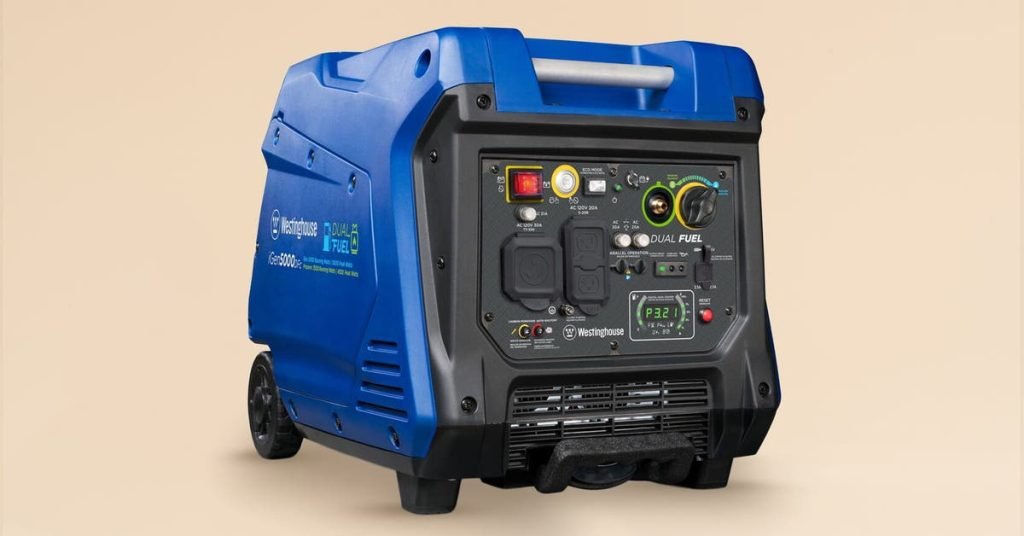
Choosing the right fuel can for your small generator can feel like a daunting task. With so many options available, how do you know which one is best suited for your needs?
You might be wondering about safety, convenience, or even longevity. Imagine having peace of mind knowing your generator is fueled efficiently and safely, ready to power up when you need it most. In this guide, we’ll walk you through the essential factors to consider, ensuring you make an informed choice.
Stick around to discover how to select the perfect fuel can that guarantees seamless operation and peace of mind.
Types Of Fuel Cans
Metal fuel cansare very strong and last a long time. They can handle rough use and are good for storing fuel safely. These cans often have tight lidsto stop fuel leaks and keep the fuel fresh. Metal cans can get hot if left in the sun, so they should be kept in the shade.
Plastic fuel cansare lighter and easier to carry. They usually come with a spout for easy pouring. Plastic cans are less likely to rust but can crack if dropped hard. Make sure to use cans made from high-quality plasticto avoid leaks and spills.
| Safety Features | Description |
|---|---|
| Child-resistant caps | Prevent children from opening the can |
| Flame arrestors | Stop flames from entering the can |
| Spill-proof design | Reduce fuel spills during pouring |

Credit: www.championpowerequipment.com
Fuel Can Capacity
Choosing the right fuel can capacitydepends on your generator’s size. Small generators usually need smaller cans, around 1 to 5 gallons. Larger cans may be too heavy and hard to carry.
Portability is key. A fuel can should be easy to lift and move. Look for cans with handlesand a shape that fits your storage space. Lightweight cans reduce strain during transport.
| Generator Size | Recommended Fuel Can Capacity | Portability Notes |
|---|---|---|
| Small (up to 1000W) | 1-2 gallons | Very easy to carry, compact size |
| Medium (1000W to 3000W) | 2-4 gallons | Manageable weight, good for short trips |
| Large (above 3000W) | 4-5 gallons | Heavier, may need two hands or a cart |
Material Durability
Fuel cansmust resist corrosionto last long. Metal cans can rust if exposed to moisture. Plastic cans do not rust but should be made from high-quality, durable plasticto prevent cracks. Choose materials that protect fuel from air and water.
Impact resistanceis important. Fuel cans may fall or get bumped. Metal cans with thick wallshandle impacts better. Plastic cans should be flexibleenough to absorb shocks without breaking. Strong cans keep fuel safe and avoid leaks.
Spout And Pouring Mechanism
The spoutis key for easy pouring. Different spouts fit different needs.
- Flexible spoutsbend for tight spaces and precise fuel flow.
- Rigid spoutsoffer steady flow but need more space.
- Auto-stop spoutsstop fuel flow automatically to avoid spills.
Ease of usedepends on the spout design. A good spout makes pouring simple and neat.
Leak preventionis crucial. Look for spouts with secure caps and tight seals.
| Spout Type | Ease of Use | Leak Prevention |
|---|---|---|
| Flexible | Easy to pour in tight spaces | Good seal, less spill risk |
| Rigid | Steady flow, needs space | Moderate seal, careful handling |
| Auto-stop | Stops flow automatically | Best for leak prevention |
Safety Standards And Certifications
Fuel cans must follow strict safety codesto prevent accidents. Check for certificationslike UL (Underwriters Laboratories) or DOT (Department of Transportation). These show the can meets safety rules for storing and carrying fuel.
Labels on the can give important instructions. They tell how to fill, store, and use the fuel safely. Clear labeling helps avoid spills and fires.
- Look for cans made with durable, fire-resistant materials.
- Check that the can has a tight-fitting capto stop leaks.
- Make sure the can is easy to carryand pour from.
- Read all safety warnings and follow the instructions exactly.

Credit: westinghouseoutdoorpower.com
Storage And Handling Tips
Store fuel cansin a cool, dry place away from direct sunlight. Keep them on a flat surface to avoid spills. Ensure the area is well-ventilated to prevent fumes buildup. Avoid places near heat sources or open flames. Use cans made of durable, approved materialsto prevent leaks and corrosion.
Handle fuel cans with care. Always use proper gripsand avoid rough movements to prevent damage. Keep cans tightly closed when not in use to avoid spills and evaporation. Use a funnel for clean fuel transfer. Avoid overfilling to reduce pressure and leaks. Store cans away from children and pets for safety.
Price And Brand Considerations
Choosing a fuel can means balancing budgetand quality. Cheaper cans may save money but can leak or wear out fast. Higher-quality cans last longer and keep fuel safe. Think about how often you use your generator and how long you want the can to last.
Trusted brands often offer better safety features and durable materials. These brands test their products to meet safety rules. Spending a bit more on a known brand can prevent spills and fuel loss.
| Aspect | Budget Fuel Can | Trusted Brand Fuel Can |
|---|---|---|
| Price | Low | Moderate to High |
| Durability | Less durable | Long-lasting |
| Safety | Basic | Tested and certified |
| Material | Plastic or thin metal | High-grade plastic or steel |
Credit: www.canadiantire.ca
Frequently Asked Questions
What Size Fuel Can Is Ideal For A Small Generator?
Choose a fuel can that holds enough fuel for your generator’s runtime. Typically, 1 to 5 gallons are suitable for small generators. Ensure the can size matches your generator’s fuel consumption and storage needs for convenience and safety.
Which Material Is Best For A Small Generator Fuel Can?
High-density polyethylene (HDPE) is the best material for fuel cans. It is durable, lightweight, and resistant to chemicals. HDPE cans also meet safety standards and prevent fuel leaks, making them ideal for storing gasoline for small generators.
How Do I Ensure Safe Fuel Storage For My Generator?
Store fuel cans in a cool, dry place away from heat and flames. Use cans with proper sealing caps to prevent spills. Label the cans clearly and avoid storing fuel for extended periods to maintain fuel quality and safety.
Can I Use Any Fuel Can For My Generator?
Not all fuel cans are suitable. Use cans specifically designed for gasoline storage. These cans comply with safety regulations and prevent leaks and fumes. Avoid using containers not made for fuel to ensure safety and proper generator function.
Conclusion
Choosing the right fuel can keeps your small generator safe and working well. Pick a can made from sturdy material that prevents leaks. Size matters—select a can that matches your fuel needs without being too heavy. Look for easy-to-use spouts to avoid spills.
Store fuel cans in cool, dry places away from flames. Safe fuel storage helps your generator run longer and better. A good fuel can makes your work easier and safer. Simple steps bring peace of mind during power outages or outdoor use.