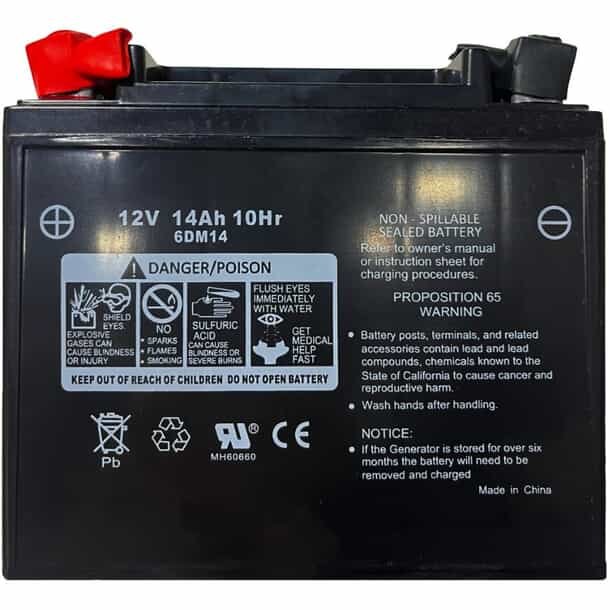
Choosing the right battery size for your generator can feel overwhelming. If your battery is too small, your generator might not start when you need it most.
Too big, and you could waste money on something you don’t really need. This guide will help you understand exactly what to look for. By the end, you’ll know how to pick the perfect battery size to keep your generator running smoothly and reliably.
Ready to make the right choice for your power needs? Let’s dive in.
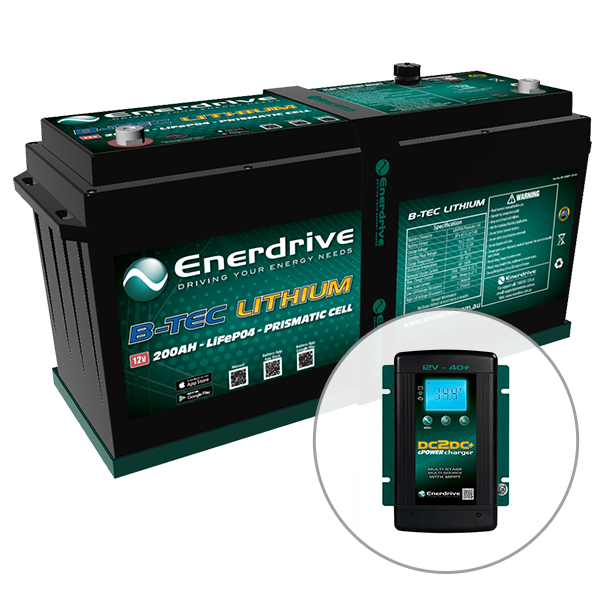
Credit: www.mygenerator.com.au
Factors Affecting Battery Size
Load requirementsmean how much power your devices need. Bigger loads need bigger batteries. Check the total watts or amps your generator will support. This helps pick the right battery size.
Backup durationis the time the battery must keep running. Longer backup means larger capacity. Decide how many hours you want power during an outage. This affects the battery size.
Battery typeaffects size and performance. Lead-acid batteries are common but heavy. Lithium batteries are lighter and last longer but cost more. Choose a type that suits your needs and budget.
Environmental conditionslike temperature and humidity impact battery life. Cold weather reduces battery capacity. Hot weather can cause damage. Pick a battery designed for your climate to ensure good performance.
Calculating Power Needs
Calculate the wattageof all devices the generator will power. Add their wattages for total power need. Include both running wattageand starting wattage.
Estimate how long the generator must run. Multiply the total wattage by the hours needed. This helps find the battery capacity in watt-hours(Wh).
Consider surge powerfor devices that need extra power at start. This surge can be 2-3 times the running wattage. Choose a battery that handles this surge without damage.
| Factor | Description |
|---|---|
| Wattage | Sum of all devices’ running and starting wattage |
| Run Time | Hours the generator will run multiplied by wattage |
| Surge Power | Extra power needed at device startup |
Battery Capacity And Ratings
Ampere-Hour (Ah) ratingshows how much current a battery can supply over time. A higher Ah means the battery lasts longer before recharging.
Voltage specificationsmust match your generator’s needs. Common voltages are 12V or 24V. Using the wrong voltage can cause damage or poor performance.
Depth of Discharge (DoD)tells how much battery capacity can be safely used. Lower DoD means longer battery life. For example, 50% DoD means you only use half the battery capacity.
| Term | Meaning | Why It Matters |
|---|---|---|
| Ampere-Hour (Ah) | Battery capacity over time | Higher Ah = longer run time |
| Voltage | Battery output voltage | Must match generator voltage |
| Depth of Discharge (DoD) | How much battery can be used | Lower DoD = longer battery life |

Credit: www.youtube.com
Matching Battery To Generator
Matching the batteryto the generatorrequires careful checks. First, ensure the battery voltagematches the generator’s requirements. Using the wrong voltage can damage both devices.
Check the connector typesto make sure they fit. Different generators use different connectors, so compatibility is key.
| Connector Type | Description | Common Use |
|---|---|---|
| Ring Terminal | Round metal ring for secure connection | Most small to medium generators |
| Spade Connector | Flat, fork-shaped metal connector | Easy to connect and disconnect |
| Quick Disconnect | Plug and socket style connector | Used for fast battery swaps |
The charging systemmust match the battery type. Some generators have smart chargersthat adjust voltage. Others use simple chargersthat can overcharge certain batteries.
- Lead-acid batteries need steady voltage
- Lithium batteries require controlled charging
- Check charger specs before buying the battery
Optimizing Battery Efficiency
Regular maintenancekeeps generator batteries working well. Check battery terminals for corrosionand clean them if needed. Keep the battery securely mounted to avoid damage from vibrations.
Temperature affects battery life.Store batteries in a cool, dry place. Avoid extreme heat or freezing cold. Both can reduce battery capacity and shorten lifespan.
Charging the battery properlyextends its life. Use a charger made for your battery type. Avoid overcharging or letting the battery get too low. Charge the battery fully before use and after long storage.
Common Mistakes To Avoid
Oversizing batteriescan waste money and space. Too large batteries last longer but cost more upfront. They also need more room and maintenance. Choose a size that fits your actual needs.
Ignoring load variationscauses poor battery performance. Loads change during use. Small loads need less power, big loads need more. Check your device’s power needs at different times.
Neglecting battery healthreduces backup time and battery life. Old or damaged batteries hold less charge. Test batteries regularly and replace weak ones to keep your system reliable.
Advanced Battery Technologies
Lithium-ion batteriesoffer higher energy density and longer life. They weigh less, making them easier to handle. These batteries charge faster and perform well in cold weather. Their cost is higher but worth it for long-term use.
AGM and Gel batteriesare types of sealed lead-acid batteries. AGM batteries have low internal resistance and good power output. Gel batteries use silica to thicken the electrolyte, preventing leaks. Both types need less maintenance and work well in harsh conditions.
| Type | Advantages | Disadvantages |
|---|---|---|
| Lithium-Ion | Lightweight, fast charging, long lifespan | Higher cost, complex charging system |
| AGM | Low maintenance, good power output | Heavier, shorter life than lithium |
| Gel | No leaks, good in extreme temps | Slower charging, sensitive to overcharge |
Future trendsfocus on improving battery life and safety. Solid-state batteries may become common. They promise higher capacity and faster charging. Research is ongoing to reduce costs and environmental impact.
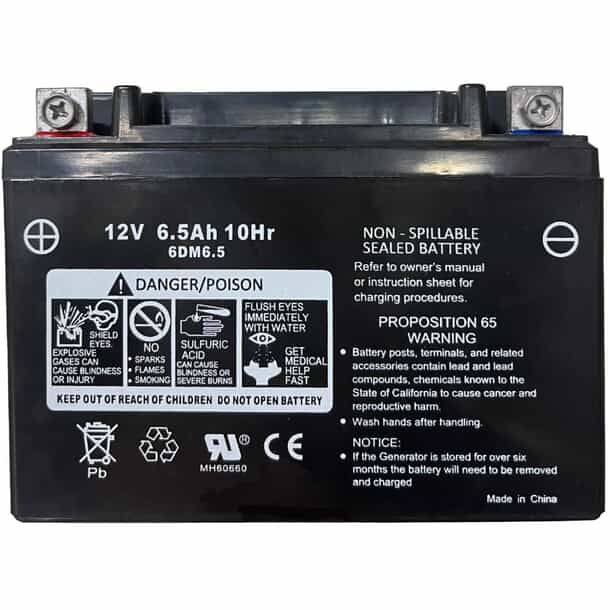
Credit: www.homehardware.ca
Frequently Asked Questions
What Factors Determine The Right Generator Battery Size?
Battery size depends on generator capacity, runtime, and power needs. Consider starting power, load type, and backup duration for accuracy. Correct sizing ensures reliable starts and optimal performance.
How To Calculate Generator Battery Capacity?
Calculate capacity by multiplying starting current by desired backup time. Use ampere-hours (Ah) for measurement. Factor in battery efficiency and temperature effects for precise sizing.
Can A Larger Battery Improve Generator Performance?
A larger battery provides longer backup and stronger starts. However, oversizing wastes cost and space. Choose a battery matching your generator’s electrical requirements for best results.
What Type Of Battery Is Best For Generators?
Lead-acid and AGM batteries are common for generators. AGM batteries offer better durability and maintenance-free use. Select based on cost, lifespan, and environmental conditions.
Conclusion
Choosing the right generator battery size is crucial. It ensures optimal performance. Understand your power needs first. Then, check the generator’s specifications. Match the battery to these needs. A good fit means reliable power. Also, proper maintenance extends battery life.
Consider the environment where the generator operates. Cold or hot climates affect battery efficiency. Consult experts if unsure. They can offer valuable advice. Selecting correctly saves time and money. Remember, the right size boosts safety and efficiency. Your power solution depends on this choice.
Make it wisely for peace of mind.