Choosing the right generator enclosure for your home can feel like a daunting task, but it doesn’t have to be. Imagine finding the perfect solution that not only protects your generator but also enhances the safety and aesthetics of your space.
You deserve peace of mind knowing your generator is shielded from the elements and operates efficiently. This guide is crafted to help you make an informed decision, ensuring your investment is safeguarded and your home remains powered without a hitch.
Dive in to discover the key factors that will transform your generator experience from a mere necessity to a seamless part of your home environment.
Types Of Generator Enclosures
Open frame enclosuresare simple structures. They expose the generator parts to air for cooling. These are usually less costly but offer no protection against weatheror noise. Best for indoor use or places with a shed.
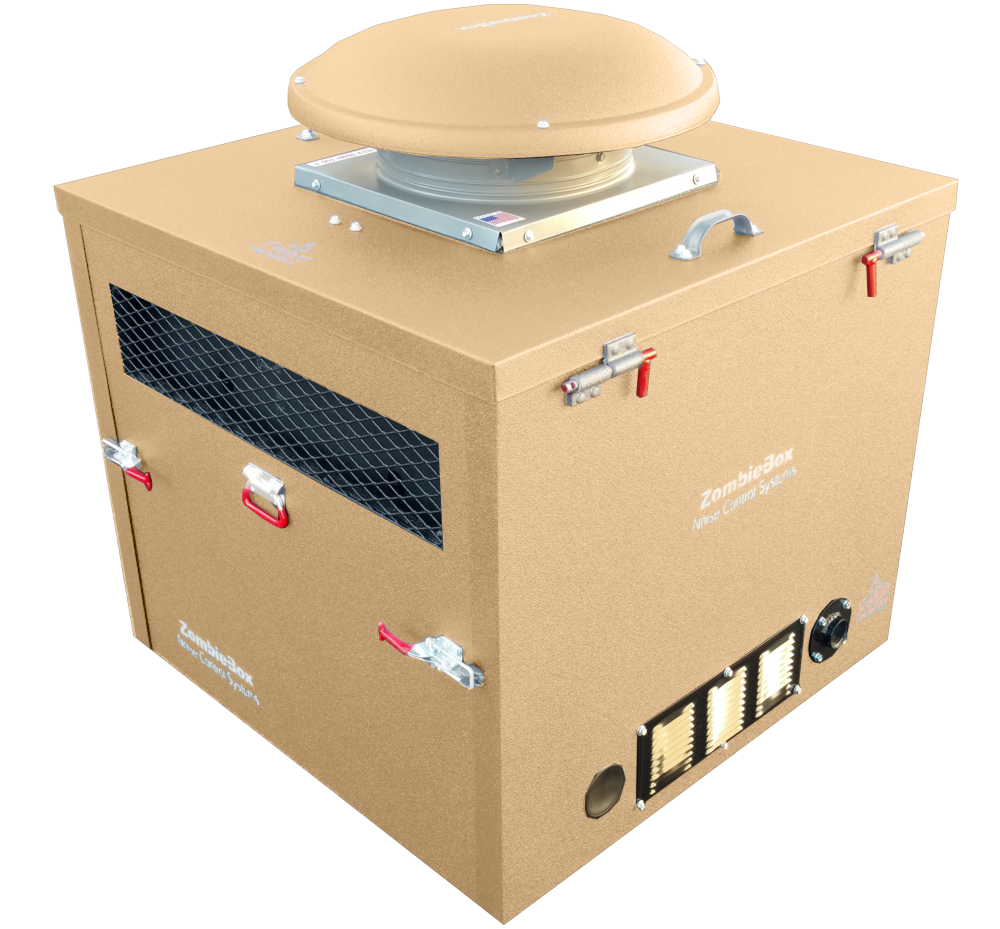
Weatherproof enclosuresprotect generators from rain, dust, and snow. They have sealed doors and vents to keep moisture out. These enclosures are good for outdoor use and harsh weather conditions.
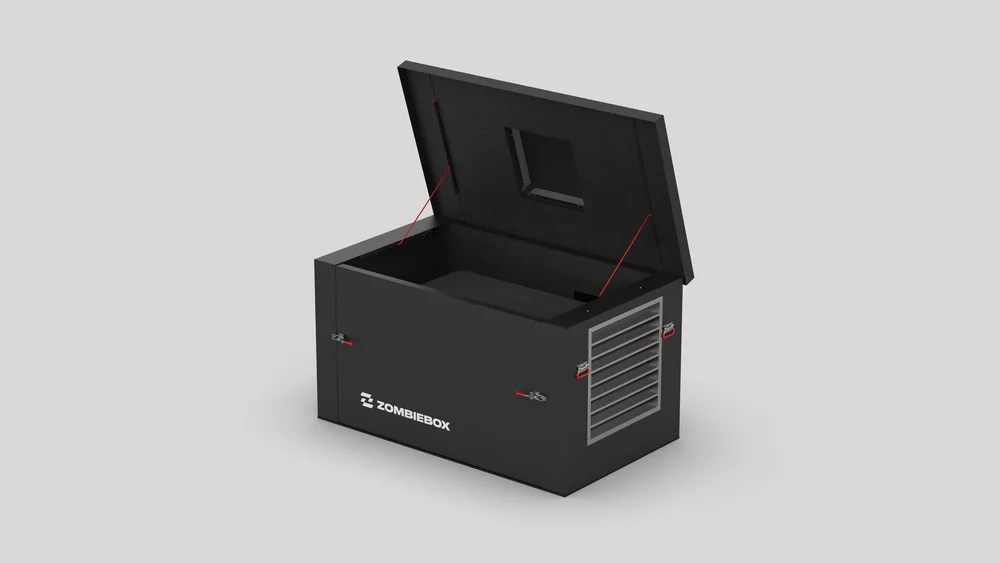
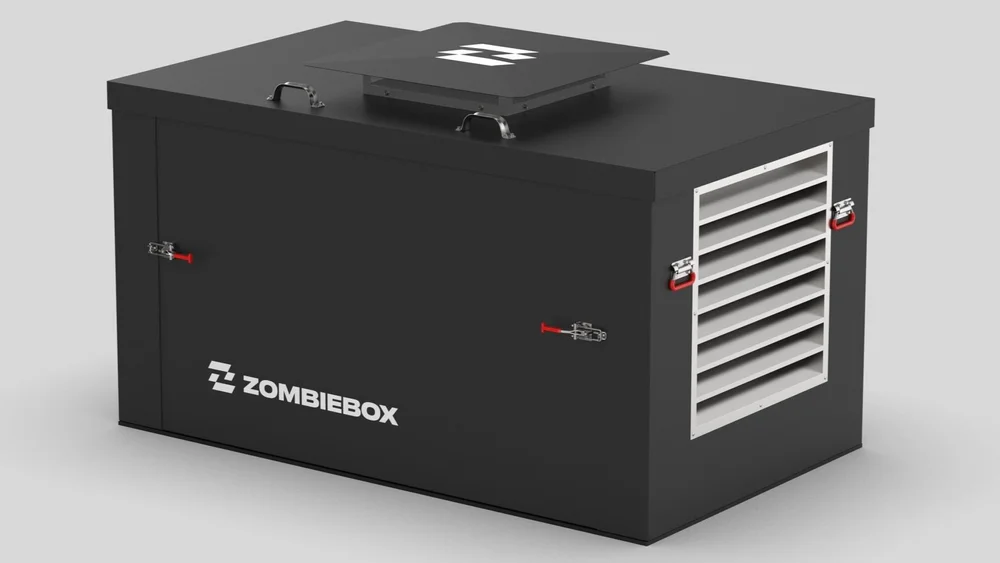
Soundproof enclosuresreduce noise from the generator. They use special materials to absorb sound. Ideal for homes in quiet neighborhoods or places with noise limits. These enclosures also protect the generator from weather.

Credit: www.zombiebox.com
Key Factors To Consider
The sizeof the enclosure must fit your generator well. Choose one that matches the generator’s dimensions and weight. Too small or too big causes problems with installation and safety.
Materialplays a key role in durability. Look for steelor aluminumenclosures to resist weather and rust. A strong enclosure protects the generator from damage and long-term wear.
Ventilationis important to keep the generator cool. Proper air flow prevents overheating and improves engine life. Check for vents or fans that allow air to move freely inside the enclosure.
Noise reductionfeatures help cut down loud sounds. Look for enclosures with soundproofingmaterials or designs that reduce noise. This is helpful to keep your home quiet while the generator runs.
Safety And Compliance
Fire resistanceis key for generator enclosures. It helps stop fires from spreading. Materials like steel or fire-rated composites are best. Enclosures should meet fire safety tests.
Weather protection standardskeep your generator safe from rain, snow, and dust. Look for enclosures with good seals and corrosion resistance. This prevents damage and keeps performance steady.
| Aspect | What to Check | Why It Matters |
|---|---|---|
| Fire Resistance | Use fire-rated materials, pass safety tests | Protects home and equipment from fire damage |
| Weather Protection | Seals, corrosion-resistant coatings | Keeps generator safe from weather damage |
| Local Regulations | Follow building codes, zoning rules | Avoids legal issues and fines |
Check local regulations and codesbefore buying. These rules vary by area. They may set limits on noise, size, or placement. Following them keeps your installation legal and safe.
Credit: www.zombiebox.com
Installation And Maintenance
Ease of installationis very important. Choose enclosures that fit your generator size. Look for designs that allow quick setup without special tools. Lightweight materials make carrying and placing easier. Also, enclosures with clear instructions help reduce mistakes during installation.
Good access for repairsmeans doors or panels that open wide. This allows easy reach to parts inside. It saves time and effort for fixing or checking the generator. Avoid enclosures with tight spaces that block access.
Cleaning and upkeepshould be simple. Smooth surfaces and removable panels help remove dirt and dust. Choose materials that resist rust and weather damage. Easy cleaning keeps the enclosure in good shape and protects the generator well.
Budget And Warranty
Choosing a generator enclosure means thinking about cost. Cheaper options might save money now but could cost more later due to repairs or poor protection. A good enclosure protects the generator from rain, dust, and noise, which helps it last longer.
Warrantyis important. It shows the maker trusts their product. A longer warranty can save money if parts break. Check what the warranty covers and how long it lasts.
- Budget for both the enclosure and installation.
- Compare warranties from different brands.
- Look for support services like repair or replacement.
- Understand what voids the warranty.
Popular Brands And Models
Top recommended generator enclosurescome from brands like Generac, Briggs & Stratton, and Champion. These models offer great weather protectionand noise reduction. They are designed to fit most home generators and provide easy access for maintenance.
Customer reviews often highlight durabilityand easy installationas key benefits. Many users appreciate the solid build and quiet operation. Ratings usually range from 4 to 5 stars, showing high satisfaction.
| Brand | Model | Key Features | Average Rating |
|---|---|---|---|
| Generac | Model G1 | Weatherproof, soundproof, easy access | 4.5/5 |
| Briggs & Stratton | Quiet Power | Noise reduction, sturdy design | 4.3/5 |
| Champion | Enclosure Pro | Compact, durable, rust-resistant | 4.4/5 |
Credit: www.zombiebox.com
Frequently Asked Questions
What Size Generator Enclosure Do I Need For Home Use?
Choose an enclosure slightly larger than your generator’s dimensions. Allow space for ventilation, maintenance access, and noise reduction. Measure your generator accurately to ensure a proper fit and optimal protection.
How Does A Generator Enclosure Reduce Noise At Home?
Enclosures use soundproof materials and designs to absorb and block noise. They prevent sound from escaping, ensuring quieter operation. This is essential for maintaining peace in residential areas.
Which Materials Are Best For Generator Enclosures?
Steel and aluminum are common due to durability and weather resistance. Composite materials offer lightweight and corrosion resistance. Choose based on climate, budget, and noise reduction needs.
How Important Is Ventilation In A Generator Enclosure?
Ventilation prevents overheating by allowing airflow. Proper vents ensure safe operation and extend generator lifespan. Lack of ventilation can cause damage and reduce efficiency.
Conclusion
Choosing the right generator enclosure keeps your home safe and quiet. It protects the generator from weather and dust. Size matters; pick one that fits your generator well. Think about noise levels to keep your space peaceful. Ventilation is key to avoid overheating.
Easy access helps with maintenance and repairs. Remember these tips to make a smart choice. A good enclosure helps your generator last longer. Keep your home powered safely and comfortably.