
Selecting the right generator extension cord can be a game-changer for your power needs. Whether you’re preparing for an unexpected power outage or planning a camping trip, choosing the correct extension cord length and type is crucial.
If you’re considering a 25-foot option, you’re in the right place. This length offers flexibility and convenience, ensuring your power reaches exactly where you need it. But how do you make sure you’re picking the best one? The wrong choice could lead to power loss or even safety hazards.
You deserve peace of mind knowing you’ve chosen wisely. Dive into this guide where we unravel the specifics of selecting a 25-foot generator extension cord. We’ll simplify the technical jargon and offer practical tips, so you make an informed decision with confidence. Stay with us, and let’s ensure your power needs are met safely and efficiently.
Cord Length And Gauge
The right cord lengthis important for safety and performance. A 25ft extension cord is common and works well for many generators. It should be long enough to reach the power source without stretching.
Choosing a cord that is too long can cause voltage drop. This means your devices may not get enough power.
Wire gauge shows the thickness of the cord’s wires. A lower gauge numbermeans a thicker wire. Thicker wires carry more power safely.
| Wire Gauge (AWG) | Use Case | Power Capacity |
|---|---|---|
| 16 AWG | Small tools, lights | Up to 10 amps |
| 14 AWG | Medium power tools | Up to 15 amps |
| 12 AWG | Large tools, appliances | Up to 20 amps |
Choosing the right gauge avoids overheating and power loss. Match the cord to your generator’s power needs.
Ampacity And Power Rating
Choose an extension cord that can handle the generator’s output power. Check the ampacityor current rating of the cord. It must be equal to or higher than the generator’s maximum amps.
Match the cord’s power rating with the generator’s wattage. A 25ft cord often has power limits. Using a cord with too low a rating can cause overheatingor power loss.
Check the appliance power needsbefore picking a cord. Add the wattage of all devices you plan to connect. Make sure the cord supports this total wattage.
- Look at the generator’s max amps and watts.
- Find the extension cord’s amp and watt rating.
- Sum the appliance wattage to check total load.
- Choose a cord with ratings above the total load.
Cord Material And Durability
Choose a cord made from durable materialslike thick rubber or heavy-duty plastic. These materials resist cuts and wear. Outdoor cords must handle sun, rain, and rough surfaces.
Indoor cords often have thinner insulation since they face fewer risks. Outdoor cords should have weather-resistant featureslike UV protection and water resistance. Look for cords with strong plugsand thick wires.
- Outdoor cords:Waterproof, UV-resistant, flexible in cold weather.
- Indoor cords:Lightweight, less thick insulation, not water-resistant.
Check if the cord has proper ratingsfor outdoor use. These labels ensure safety and durability in bad weather. Always pick cords designed for the environment you will use them in.
Credit: www.amazon.ca
Connector Types And Compatibility
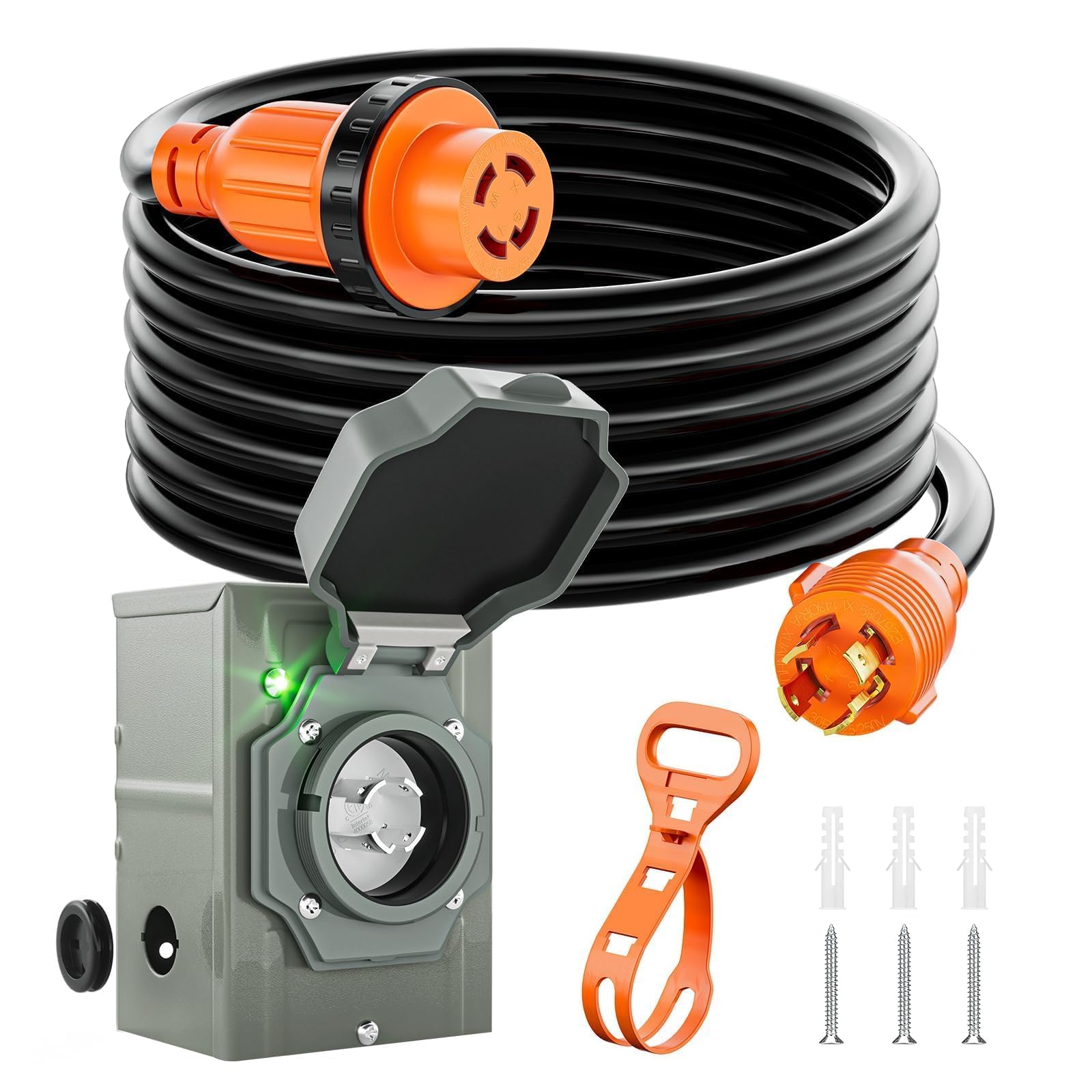
Generator extension cords come with different plug configurations. These plugs must match the generator’s outlet and the device’s plug type. Common types include:
- Standard 3-prong plugs for most household devices
- Twist-lock plugs for secure connections
- RV-style plugs for recreational vehicles and some generators
Choosing a cord with the right plug type is key to avoid connection problems. Check the generator’s outlet shape and the device’s plug before buying.
Compatibility is important. A cord may fit physically but not handle the power needed. Always match the cord’s amperage ratingto both the generator and devices. This ensures safe and reliable use.
Safety Features
Groundingis key for safety in generator extension cords. It helps prevent electric shocks by directing extra current safely into the ground. Make sure the cord has a grounding wire and plug.
Insulationprotects wires from damage and stops electricity leaks. Look for thick, durable insulation that can handle outdoor use and rough conditions.
- Overload protectionstops the cord from carrying too much current.
- It prevents the cord from overheating and causing fires.
- Some cords have built-in circuit breakers or fuses for this feature.
Portability And Storage
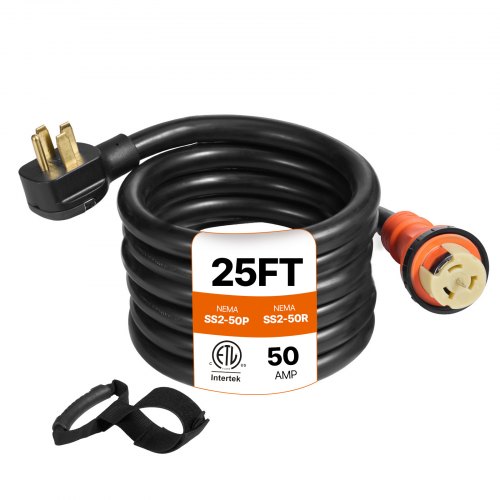
Choosing a 25ft generator extension cordthat is easy to carry is key. Look for cords with a lightweight designand durable insulation. This helps keep the cord safe and easy to move.
Good cord managementsaves space and prevents damage. Use cord reelsor strapsto keep the cord neat. This makes storage simple and quick.
- Wrap the cord in loose loops to avoid kinks.
- Use Velcro straps to hold the loops together.
- Store the cord in a dry, cool place to prevent wear.
For easy transport, choose cords with built-in handlesor carry bags. This reduces strain and makes moving the cord less tiring. Compact storage options also help keep things tidy.
Price And Warranty
Choosing a 25ft generator extension cordmeans finding a balance between cost and quality. Cheaper cords may seem good but might wear out fast or cause power issues. A cord with a higher priceoften offers better materials and safety features.
Check the warranty. A longer warranty shows the maker trusts their product. It also protects you if the cord breaks or stops working. Good customer supporthelps solve problems quickly. Look for companies that answer calls or emails fast and offer clear help.
- Price:Affordable but not too cheap
- Warranty:At least 1 year or more
- Customer Support:Easy to reach and helpful

Credit: www.amazon.ca
Credit: www.vevor.com
Frequently Asked Questions
What Gauge Wire Is Best For A 25ft Generator Extension Cord?
For a 25ft generator extension cord, 12-gauge wire is ideal. It handles higher amperage safely and reduces voltage drop. Use 14-gauge only for low-power devices. Choosing the right gauge ensures efficient power transfer and prevents overheating or damage.
How Do I Choose The Right Length For My Generator Cord?
Select a cord length that reaches your generator without excess slack. A 25ft cord is common for moderate distances. Avoid longer cords to reduce voltage drop and power loss. Proper length ensures safety and efficient power delivery.
Can I Use Any Extension Cord With My Generator?
Not all extension cords are suitable. Use cords rated for outdoor use with proper gauge and insulation. Generator cords must handle high amperage and weather conditions. Using the wrong cord risks electrical hazards and equipment damage.
What Safety Features Should A 25ft Generator Extension Cord Have?
Look for cords with grounded plugs, durable insulation, and weather resistance. Grounded cords prevent shocks. Heavy-duty insulation protects against wear. Weatherproofing ensures safety in rain or snow. These features keep you safe and prolong cord life.
Conclusion
Choosing the right 25ft generator extension cord keeps you safe and powered. Check the cord’s gauge and wattage rating carefully. Make sure it matches your generator’s power needs. A durable, weather-resistant cord works best outdoors. Avoid cords that are too thin or too short.
Keep your equipment running smoothly and without risk. Simple steps lead to reliable power every time. Stay prepared and use the right extension cord for your generator. Easy and safe power connection is always possible.