Choosing the right generator oil viscosity is crucial for keeping your generator running smoothly and efficiently. You might be wondering why this matters so much.
Well, think about the last time your car’s engine oil was due for a change. You wouldn’t want to fill it with just any oil, right? The same goes for your generator. Selecting the proper viscosity can significantly impact its performance and lifespan.
In this guide, you’ll discover how to make the right choice without feeling overwhelmed by technical jargon. You’ll learn the importance of viscosity and how it affects your generator’s operation. By the end of this article, you’ll have the confidence and knowledge to select the perfect oil viscosity for your generator, ensuring it stays in top condition for years to come. So, let’s dive in and simplify the process for you!
Why Viscosity Matters
Viscosityis how thick or thin the oil is. It affects how well the oil flows through the engine. Thicker oil can protect parts better but may slow the engine down. Thinner oil moves fast but might not protect as well.
Good viscosity keeps the engine running smoothly. It reduces friction and helps use fuel well. If oil is too thick or too thin, the engine works harder and uses more fuel.
- Proper viscosity lowers wear and tearon engine parts.
- It stops parts from rubbing too much and breaking.
- Oil with wrong viscosity can cause engine damageover time.
Oil thickness changes with temperature. Cold weather makes oil thicker, slowing flow. Hot weather makes oil thinner, which might cause less protection. Choose oil viscosity based on the temperature rangewhere the generator runs.

Credit: www.bisonindustry.com
Types Of Generator Oils
Conventional oilscome from crude oil. They are cheaper but wear out faster. These oils need more frequent changes to keep the generator safe.
Synthetic oilsare made in labs. They last longer and work well in extreme heat or cold. They protect the engine better and can improve fuel efficiency.
Blended oilsmix conventional and synthetic oils. They offer some benefits of both. Blended oils are less costly than full synthetic but last longer than conventional oils.
Reading Oil Viscosity Ratings
SAE numberstell how thick or thin the oil is. Lower numbers like 5W flow better in cold weather. Higher numbers like 40 work well at high temperatures. Choosing the right number helps your generator run smoothly.
Multi-grade oilswork in many temperatures. They have two numbers, like 10W-30. The first number shows flow in cold weather. The second shows thickness when hot. Single-grade oils have only one number and work best in stable temperatures.
| Term | Meaning |
|---|---|
| SAE Number | Shows oil thickness at certain temperatures |
| Multi-grade Oil | Works in both cold and hot temperatures |
| Single-grade Oil | Best for steady temperature use |
| Viscosity Index | Higher index means less thickness change with heat |
The viscosity indexshows how much oil thickness changes with temperature. A high index means oil stays more stable. This helps protect the engine better in different weather. Pick oils with a good viscosity index for lasting performance.
Factors Influencing Oil Choice
Climateaffects oil thickness. Cold weather needs thinner oil for easy start. Hot weather needs thicker oil to protect engine parts.
Operating temperaturematters too. Oil must stay stable and protect the engine at working temperatures. Choose oil that works well in your generator’s usual heat range.
- Generator loadchanges oil needs. Heavy loads heat oil more, needing thicker or special oils.
- Usage patternsimpact oil choice. Frequent starts and stops may need oil with good flow and protection.
Manufacturer specificationsare the best guide. Always check the generator’s manual for recommended oil viscosity. Using the right oil keeps the generator safe and efficient.
Common Viscosity Grades For Generators
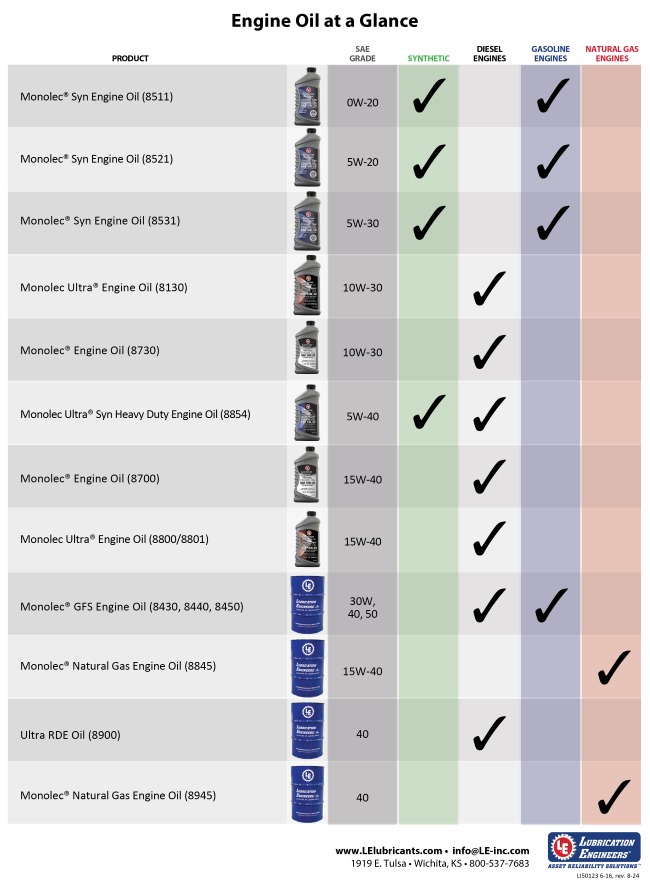
Cold weatherneeds oils that stay thin and flow easily. Grades like 5W-30and 10W-30are great for starting engines in low temperatures. These oils help protect the engine by moving quickly to parts that need lubrication.
High temperaturesdemand thicker oils to keep the engine safe. Grades such as 15W-40and 20W-50work well here. They maintain a strong oil film, reducing wear in hot conditions and heavy loads.
For variable weather, oils with a wide range, like 10W-40, perform well. These oils adjust to both cold starts and warm running, making them versatile for different climates and seasons.
Credit: pleavinpower.co.uk
Tips For Changing Generator Oil
Choosing the right oil viscosity ensures your generator runs smoothly and lasts longer. Check the manufacturer’s guide for recommended oil types based on temperature and usage. Thicker oil suits hot climates, while thinner oil works better in cold weather.
Signs It’s Time To Change Oil
Dark, dirty oilmeans the oil is old and full of dirt. A loud engineor overheatingcan also show oil needs changing. Check the oil leveloften. If it is low or smells bad, it is time to change. Regular checks help keep the generator safe and working well.
Steps For Safe Oil Replacement
- Turn off the generator and let it cool down.
- Place a container to catch old oil.
- Remove the drain plug and let the oil flow out.
- Replace the drain plug tightly after draining.
- Add new oil with the correct viscosityand amount.
- Check the oil level with the dipstick.
- Run the generator for a few minutes and recheck the level.
Disposing Of Used Oil Properly
Used oil is harmful to the environment. Do not pour it on the ground or down drains. Collect old oil in a sealed container. Take it to a local recycling centeror auto shop that accepts used oil. Proper disposal keeps nature safe and follows the law.
Maintaining Optimal Oil Performance
Regular oil testinghelps find dirt, water, and metal bits in oil. This keeps the generator safe and working well. Testing oil often shows if the oil is still good or needs to be changed. It saves money by stopping big problems early.
Using additives wiselycan make oil better. Some additives clean parts or stop rust. But too many additives can harm the engine. Always follow the guide on which additives to use. Ask a mechanic if unsure.
Storage and handling of oilaffects how well oil works. Keep oil in a clean, dry place. Avoid heat and sunlight to stop oil from getting bad. Use clean tools to take oil out of the container. This stops dirt from mixing in.

Credit: tikweld.com
Frequently Asked Questions
What Is Generator Oil Viscosity?
Generator oil viscosity measures how thick or thin the oil is. It affects lubrication quality and engine protection. Correct viscosity ensures smooth engine performance and reduces wear and tear.
How To Choose The Right Oil Viscosity For Generators?
Select oil viscosity based on engine type, temperature, and manufacturer recommendations. Use thinner oil for cold climates and thicker oil for hot environments to maintain optimal performance.
Why Does Temperature Affect Generator Oil Viscosity Choice?
Temperature changes oil thickness. Cold weather thickens oil, reducing flow. Hot weather thins oil, lowering protection. Choose viscosity that suits your climate for proper lubrication.
Can Wrong Oil Viscosity Damage My Generator?
Yes, wrong viscosity can cause poor lubrication, increased friction, and engine wear. It may lead to overheating or sludge buildup, reducing generator lifespan and efficiency.
Conclusion
Choosing the right generator oil viscosity protects your engine well. Check the manufacturer’s guide for the best fit. Consider temperature and operating conditions before picking oil. Using correct viscosity helps your generator run smoothly and last longer. Avoid common mistakes by staying informed and attentive.
Good oil choice means fewer repairs and better performance. Keep your generator ready to work whenever you need it. Simple steps make a big difference in engine health.