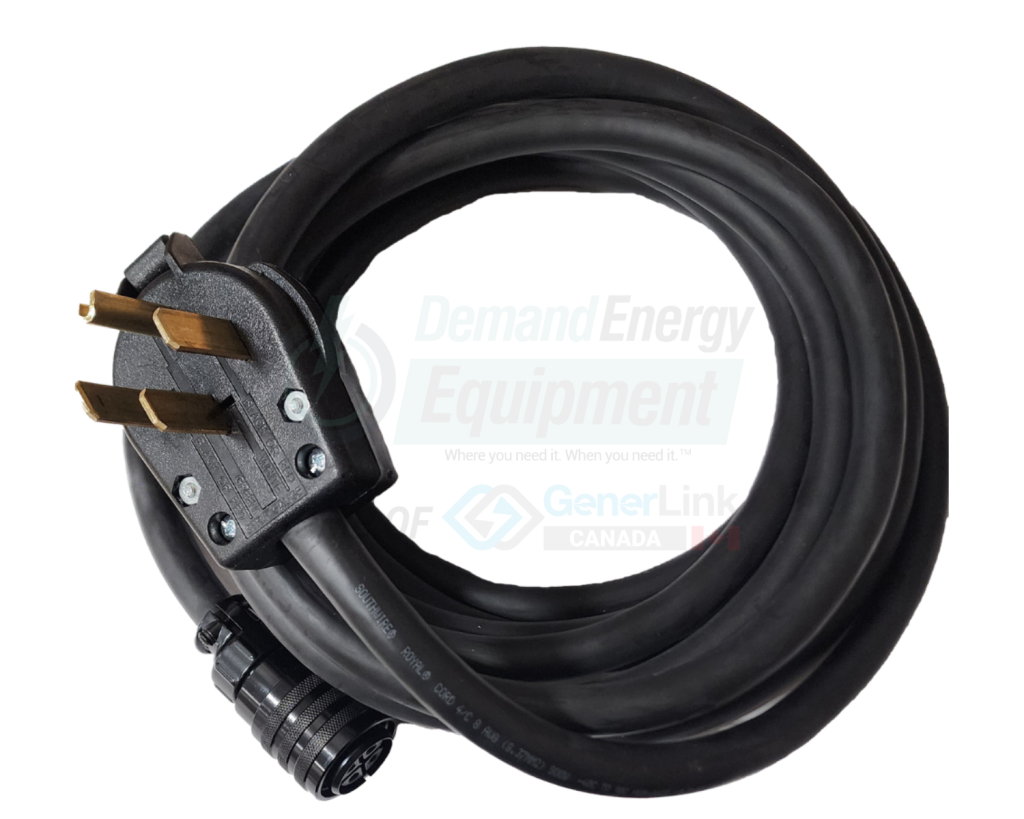
Choosing the right power cable for your large generator is more important than you might think. The wrong cable can cause power loss, safety risks, or even damage to your equipment.
But don’t worry—this guide will help you make the best choice for your needs. By understanding the key factors that affect cable selection, you’ll save time, money, and avoid costly mistakes. Keep reading to discover exactly what you need to look for when selecting a generator power cable that works perfectly for your large generator.
Credit: www.vevor.ca
Generator Power Cable Basics
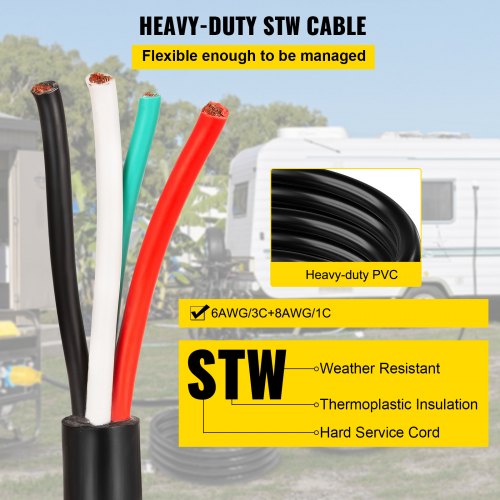
Generator power cablescome in different types. The choice depends on the generator size and use. XLPE cablesare common for large generators. They offer good heat resistance and durability. Rubber insulated cablesare flexible and used in portable generators. Armored cablesprotect against physical damage in harsh environments.
Key parts of a power cable include the conductor, insulation, and sheath. The conductor carries the electrical current. Copper and aluminum are common conductor materials. Insulation prevents electrical leaks and protects from shocks. The outer sheath shields the cable from water, chemicals, and mechanical damage.
| Component | Function | Common Materials |
|---|---|---|
| Conductor | Carry electrical current | Copper, Aluminum |
| Insulation | Prevent electrical leaks | XLPE, Rubber |
| Sheath | Protect cable from damage | PVC, Polyethylene |
Determining Cable Size
Calculating current loadhelps to pick the right cable size. Start by knowing the generator’s full load current. Use the formula: Current (Amps) = Power (Watts) ÷ Voltage (Volts). Always add a safety margin to handle extra load. This prevents overheating and damage.
Voltage drop considerationskeep power stable. Long cables cause voltage to drop. Choose thicker cables to reduce this drop. A voltage drop below 3% is ideal for large generators. This keeps machines running well and safe.
Temperature ratingsshow how hot a cable can get safely. Check the cable’s insulation rating for the environment. Higher temperature ratings mean better performance in hot places. Always pick cables rated for the highest expected temperature.
Choosing Cable Material
Coppercables have better conductivity and last longer. They handle heat well and resist corrosion. Copper is heavier and costs more but offers lower resistance, which means less energy loss.
Aluminumcables are lighter and cheaper. They have higher resistance and can expand with heat, needing special connectors. Aluminum works well for large runs where weight matters more than conductivity.
| Material | Pros | Cons |
|---|---|---|
| Copper | High conductivity, durable, corrosion-resistant | Heavier, more expensive |
| Aluminum | Lightweight, cost-effective | Higher resistance, needs special connectors |
Choosing the right insulationprotects cables from heat, moisture, and chemicals. Common types include PVCfor basic use and XLPEfor higher temperatures. Some insulation types also resist oil and sunlight.
- PVC:Good for indoor, dry areas
- XLPE:Handles higher temperatures, outdoor use
- Rubber:Flexible, oil-resistant
Safety And Compliance
Industry standardsensure generator power cables are safe and reliable. These standards set rules for cable size, insulation, and materials. Using cables that meet standards helps avoid electrical fires and power loss.
Common standards include IEC, NEC, and UL. They guide how to choose cables for voltage, current, and environment. Following these rules keeps systems working well and protects people.
- Check cable ratingsfor voltage and temperature limits.
- Use cableswith proper insulation for wet or hot areas.
- Ensure cablesare resistant to oil, chemicals, and sunlight.
- Install cablesaway from sharp edges and heavy traffic.
Protective measuresinclude grounding cables and using circuit breakers. This stops damage from short circuits and overloads. Also, regular inspection and maintenancecatch wear or damage early.
Installation Tips
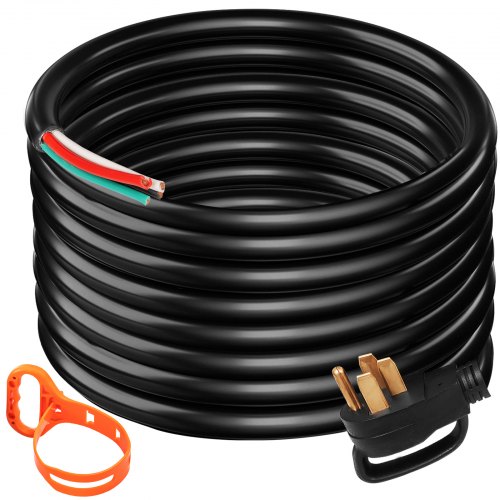
Route cablesaway from sharp edges and heat sources. Use cable trays or conduits to protect cables. Keep cables away from water and chemicals. Avoid tight bends to prevent damage and signal loss.
Place cables where they are easy to inspect and maintain. Ensure cables do not block walkways or equipment access. Label cables clearly for quick identification.
- Use connectors that fit tightly and resist corrosion.
- Tighten all connections firmly to avoid loose contacts.
- Check insulation for damage before connecting.
- Match cable size to generator power output for safety.
- Ground cables properly to prevent electrical hazards.
Credit: www.vevor.ca
Maintenance And Troubleshooting
Regular inspection of generator power cables helps avoid failures. Check cables for cracks, cuts, or worn insulation. Look for loose connections at terminals and clamps. Ensure cables are not bent sharply or twisted. Clean cables and connectors to remove dirt and moisture. Use a multimeter to test cable resistance and continuity. Replace any damaged or worn cables immediately. Proper storage protects cables from sunlight and water.
| Common Issue | Fix |
|---|---|
| Overheating cables | Check cable size and load capacity; upgrade if needed |
| Loose connections | Tighten terminals and clamps securely |
| Damaged insulation | Replace cable or use proper insulation tape |
| Corrosion on connectors | Clean connectors and apply anti-corrosion spray |
| Voltage drops | Check for cable damage or poor connections |

Credit: norwall.com
Frequently Asked Questions
What Size Cable Is Needed For A Large Generator?
The cable size depends on the generator’s power output and distance. Calculate current load, then choose cable with adequate ampacity. Oversized cables reduce voltage drop and improve safety.
How To Determine Cable Type For Generator Power?
Select cables rated for outdoor use and high temperatures. Use flexible, oil-resistant, and flame-retardant cables for durability. Confirm compliance with local electrical codes and standards.
Why Is Voltage Drop Important In Cable Selection?
Voltage drop affects generator efficiency and equipment performance. Keep voltage drop below 3% to avoid power loss. Use larger cables or shorter runs to minimize voltage drop.
Can Cable Insulation Affect Generator Performance?
Yes, proper insulation ensures safety and prevents electrical faults. Choose insulation materials resistant to heat, moisture, and chemicals. Good insulation extends cable life and maintains performance.
Conclusion
Choosing the right generator power cable is crucial. It ensures safety and efficiency. Consider cable size, length, and material carefully. Check compatibility with your generator. Always follow the manufacturer’s guidelines for best results. Proper cables prevent overheating and energy loss.
They also protect your equipment from damage. Investing time in cable selection saves future costs. Reliable cables ensure smooth power supply. With the right choice, your generator works effectively. Make informed decisions for peace of mind. Your generator’s performance depends on it.
Stay safe and prepared.