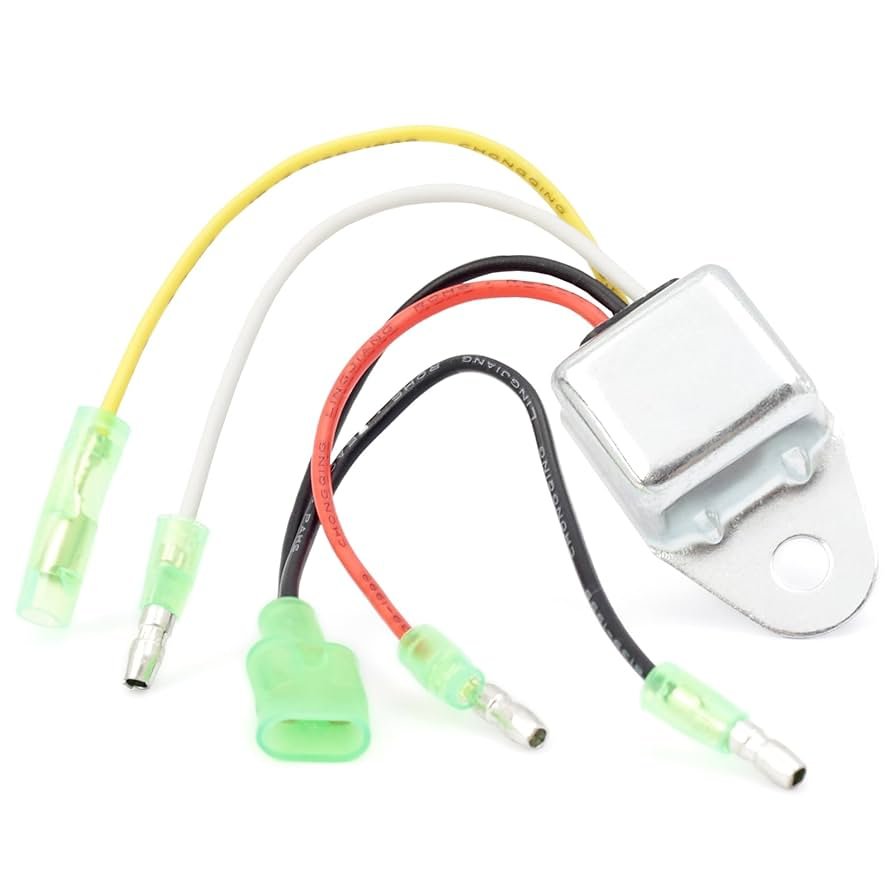
Picture this: a sudden power outage leaves your home in the dark, and you find yourself scrambling for a solution. It’s moments like these when having a reliable generator sensor kit can be a lifesaver.
But how do you choose the right one for your home? The process might seem overwhelming, but it doesn’t have to be. By understanding the key features and benefits, you can make a smart choice that ensures your home stays powered, no matter what.
In this guide, we’ll walk you through the essential steps to selecting the perfect generator sensor kit for your needs, so you can rest easy knowing you’re prepared for anything. Ready to take control of your home’s power security? Let’s get started.
Types Of Generator Sensor Kits
Voltage sensorsmeasure the electrical output of the generator. They help keep the voltage stable and safe. These sensors protect devices from damage caused by voltage spikes or drops.
Current sensorstrack the flow of electricity. They detect overloads or faults in the system. This helps prevent overheating and possible fires.
Temperature sensorsmonitor the engine and components. They alert you if the generator gets too hot. This avoids engine damage and helps maintain performance.
Fuel level sensorsshow how much fuel is left. They help you plan refills and avoid unexpected shutdowns. These sensors keep the generator running smoothly.
Key Features To Consider
Accuracy and sensitivityensure the sensor kit detects changes quickly and precisely. This helps keep your generator running smoothly. Sensors with low accuracy might cause false alarms or miss important signals.
Compatibility with generatorsis crucial. The sensor kit must match your generator’s model and power type. Using the wrong kit can cause damage or poor performance.
Durability and build qualitymatter for long-lasting use. Choose kits made from strong materials that resist weather and wear. This protects the sensor from damage over time.
Ease of installationsaves time and effort. Kits with clear instructions and simple designs make setup easier. Some kits may require professional help, but many are user-friendly.
Connectivity And Integration
Wired sensor kitsoffer stable connections and fewer interruptions. They need cables, which can be hard to install. Wireless kitsprovide easy setup and flexible placement. But, they may face signal issues or battery needs.
Check if the sensor kit works with your smart home system. Compatibility with devices like Alexa or Google Home is important. It helps control the generator sensor easily.
Mobile apps let you monitor sensors from anywhere. Look for apps with simple interfacesand real-time alerts. This feature adds convenience and quick response to problems.
Power Source And Battery Life
Battery powered kitsoffer easy installation and flexibility. They do not need external power sources, so placement is simple. Batteries last from months to years, depending on usage. Replace batteries regularly to keep sensors working well. These kits work great where power outlets are scarce.
Generator powered sensorsconnect directly to your generator’s power supply. They provide continuous operation without battery changes. These sensors suit homes with reliable generator power. Installation might require more effort and wiring. Ensure compatibility with your generator model for best results.
Safety And Compliance
Certificationsensure the generator sensor kit meets safety rules. Look for marks like UL (Underwriters Laboratories), CE (Conformité Européenne), and CSA (Canadian Standards Association). These show the product passed important tests. Certified kits reduce risks of fire or electric shock.
Safety features protect your home and family. Important ones include:
- Automatic shutoffin case of faults or overloads.
- Surge protectionto guard against power spikes.
- Water and dust resistancefor outdoor use.
- Clear indicatorsfor easy status checks.
Choosing a sensor kit with these features keeps your home safer. It also ensures the device works well under different conditions.

Credit: westinghouseoutdoorpower.com
Budget And Warranty
Price rangesfor generator sensor kits vary a lot. Basic kits cost less but may miss some features. Mid-range kits offer good balance of price and quality. High-end kits have more sensors and better durability but cost more. Choose a kit that fits your budgetand needs.
Warranty and supportare very important. A good warranty means you can get repairs or replacements if something breaks. Some brands offer 1-year warranties, others up to 3 years or more. Check if customer support is easy to contact and helpful. This helps avoid problems later.
| Price Range | Features | Warranty |
|---|---|---|
| Low ($20-$50) | Basic sensors, fewer options | 6 months to 1 year |
| Medium ($50-$100) | More sensors, better quality | 1 to 2 years |
| High ($100+) | Advanced sensors, high durability | 2 to 3+ years |
Installation Tips
Choosing between DIY and professional installationdepends on skill and tools. DIY can save money but needs careful reading of instructions. Professionals ensure safe and correct setup, especially for complex systems.
Common mistakes during installation include:
- Placing sensors too far from the generator.
- Ignoring the manufacturer’s guidelines.
- Not securing wires properly, causing loose connections.
- Installing sensors near heat sources or moisture.
- Failing to test the system after installation.
Proper sensor placement and wiring are key. Testing the system helps catch errors early. Safety should always come first.

Credit: westinghouseoutdoorpower.com
Maintenance And Troubleshooting
Regular checks keep your generator sensor kitworking well. Clean sensors gently to remove dust and dirt. Check wires and connections for any loose or broken parts. Replace worn-out parts to avoid problems.
Common problems include:
- Sensor not detecting: Check wiring and clean sensor surface.
- False alarms: Adjust sensor sensitivity or clean sensor.
- Power issues: Inspect battery and connections for damage.
- Signal loss: Ensure good signal path and replace antenna if needed.
| Issue | Cause | Fix |
|---|---|---|
| Sensor not detecting | Dirty sensor or loose wires | Clean sensor, tighten connections |
| False alarms | High sensitivity or dirt | Adjust sensitivity, clean sensor |
| Power issues | Dead battery or loose connection | Replace battery, fix wiring |
| Signal loss | Blocked signal or broken antenna | Clear path, replace antenna |

Credit: westinghouse.com
Frequently Asked Questions
What Factors To Consider For Choosing A Generator Sensor Kit?
Consider compatibility, sensor types, accuracy, installation ease, and budget. Ensure the kit matches your generator model and monitors key parameters.
How Does A Generator Sensor Kit Improve Home Safety?
It detects faults, overheating, and fuel levels early. Alerts prevent damage and power failures, enhancing safety and reliability.
Can I Install A Generator Sensor Kit Myself?
Yes, many kits offer DIY installation with clear instructions. However, professional help ensures proper setup and optimal performance.
Which Sensors Are Essential In A Home Generator Kit?
Temperature, voltage, fuel level, and oil pressure sensors are crucial. They monitor generator health and prevent unexpected breakdowns.
Conclusion
Choosing the right generator sensor kit keeps your home safe and powered. Check sensor types and compatibility with your generator first. Look for easy installation and reliable performance. Budget matters, but don’t compromise on quality. A good sensor kit helps detect issues early and saves money.
Take time to compare features before you buy. Simple steps lead to better home backup power. Stay prepared and enjoy peace of mind every day.