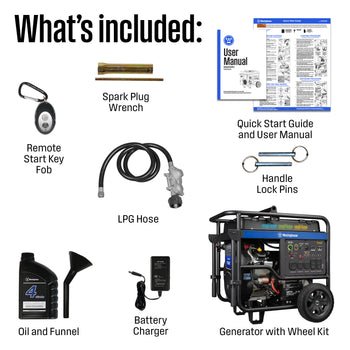
Selecting the right generator sensor kit for industrial use is crucial for maintaining efficiency and safety in your operations. Imagine having the peace of mind that comes with knowing your generator is equipped with the best sensors, ensuring optimal performance and preventing costly downtime.
You want a kit that not only meets your industrial needs but also enhances the reliability of your equipment. You will discover the key factors to consider when choosing a generator sensor kit, helping you make an informed decision. Dive in to learn how the right choice can empower your business and keep everything running smoothly.
Key Factors For Industrial Sensors
Durability and material qualitymatter most for industrial sensors. Choose kits made from strong metalsor high-grade plastics. These parts resist wear and tearand last long in tough settings. Sensors must handle vibration, dust, and moisturewithout breaking.
Accuracy and sensitivityaffect sensor performance. Sensors should detect small changes in the generator’s operation. High sensitivity helps catch problems early. Accuracy ensures the sensor gives correct readingsevery time.
Environmental compatibilityis key. Sensors must work well in the plant’s climate. Check if they resist temperature extremes, humidity, and chemicals. This keeps sensors reliable and safe.
Power requirementsaffect the sensor’s use. Choose sensors that match your power supply. Some sensors need low powerfor long use. Others may require higher powerbut offer better data.

Credit: westinghouseoutdoorpower.com
Types Of Generator Sensors
Temperature sensorstrack the heat of the generator. They help avoid overheating and damage. These sensors give early warnings to keep machines safe.
Vibration sensorsdetect unusual shaking or movement. This helps find problems in parts like bearings or shafts. Fixing these early stops bigger breakdowns.
Speed sensorsmeasure how fast the generator runs. They ensure the machine works at the right speed. This keeps power output steady and reliable.
Voltage and current sensorscheck the electric output. They monitor power levels to keep them stable. These sensors protect the system from electrical faults.
Sensor Integration And Compatibility
Communication protocolsallow sensors to send data to generators smoothly. Common types include Modbus, CANbus, and Ethernet. Choose a protocol that matches your generator’s control system for easy data sharing.
Mounting and installationmust be simple and secure. Sensors should fit well on the generator without blocking parts. Check if the kit includes brackets, screws, or magnetsfor easy setup.
Compatibility with generator modelsis key. Some sensors work only with specific brands or models. Verify the sensor kit supports your generator type to avoid problems.

Credit: www.ebay.com
Calibration And Maintenance
Calibration proceduresensure the sensor kit gives correct readings. Use standard calibration tools and follow manufacturer guidelines. Check sensor output against known values and adjust settings if needed. Regular calibration keeps the system accurate and reliable.
- Clean sensors to remove dust and debris.
- Inspect cables and connectors for damage.
- Check for firmware updates from the supplier.
- Test sensor response regularly to detect faults early.
Troubleshooting common issues involves checking power supply first. Loose wires can cause errors. Sensor drift happens over time and needs recalibration. Replace damaged parts promptly to avoid downtime.
Budgeting And Cost Considerations
Initial investmentcovers buying the sensor kit and installation costs. Sometimes, cheaper kits may need more repairs later. Long-term costsinclude maintenance, parts replacement, and energy use. Choosing a reliable kit can save money over time.
Check supplier optionsfor good support and service. Warranties protect your purchase if the kit breaks or stops working. A longer warranty means less risk for you.
| Cost Aspect | What to Consider | Benefits |
|---|---|---|
| Initial Investment | Price of kit and setup charges | Lower upfront cost but may increase repairs |
| Long-term Costs | Maintenance, energy, and parts | Better quality reduces future expenses |
| Supplier & Warranty | Support and warranty length | Peace of mind and quick fixes |

Credit: westinghouseoutdoorpower.com
Regulatory And Safety Standards
Industry complianceensures that generator sensor kits meet required rules. These rules protect workers and equipment. Companies must follow standards like ISO or OSHA to avoid fines and accidents. Sensors should be tested and approved by trusted organizations.
Safety certificationsprove a sensor kit is safe to use. Look for marks such as CE, UL, or ATEX. These show the kit passed tests for electrical safety and fire resistance. Certified kits reduce risks in industrial settings.
Environmental regulationsrequire sensors to be eco-friendly. Kits should limit harmful emissions and waste. Sensors must work well in different weather and temperatures. Compliance with laws like RoHS or WEEE helps protect the planet and workers.
Frequently Asked Questions
What Factors Determine The Right Generator Sensor Kit?
Key factors include compatibility with your generator, sensor accuracy, environmental durability, and ease of installation. Consider industrial standards and specific monitoring needs to ensure optimal performance.
How To Ensure Sensor Kit Reliability In Industrial Settings?
Choose kits with robust materials, IP ratings for dust and water resistance, and proven accuracy. Regular calibration and maintenance also enhance long-term reliability in harsh industrial environments.
Which Sensor Types Are Best For Generator Monitoring?
Common types include temperature, vibration, and pressure sensors. Selecting sensors depends on the parameters critical to your generator’s safe and efficient operation.
Can Sensor Kits Integrate With Existing Industrial Systems?
Yes, many kits support integration via standard communication protocols like Modbus or Ethernet. Ensure compatibility with your control systems for seamless data monitoring and alerts.
Conclusion
Choosing the right generator sensor kit helps keep machines safe and working well. Check the sensor type, accuracy, and durability for your needs. Think about the environment and power source before buying. Good sensors reduce downtime and save money. Take time to compare options and read reviews.
A smart choice makes your industrial work easier and more reliable. Simple steps lead to better results. Keep your machines running smoothly with the right sensor kit.