
Are you tired of dealing with unreliable power connections that disrupt your work or play? Imagine the relief of knowing your tools and devices will stay powered, no matter the conditions.
Twist-lock extension cords are here to offer that peace of mind, but choosing the right one can seem overwhelming. How do you ensure it’s the perfect fit for your needs? In this guide, you’ll discover the essential factors to consider, ensuring you make a confident choice.
Dive in to unlock the secrets of selecting a twist-lock extension cord that keeps your power flowing smoothly and securely.
Benefits Of Twist-lock Extension Cords
Twist-lock extension cordsoffer enhanced safetyby preventing accidental unplugging. Their design keeps plugs firmly in place, reducing risks of sparks or loose connections. This feature is vital in busy or hazardous areas.
They are made with durable materialsthat resist wear, weather, and rough handling. This durability means they last longer, saving money over time.
Secure connectionsensure continuous power flow. The twist-lock mechanism stops cords from pulling out easily, which helps avoid power interruptions.
- Prevents accidental disconnections
- Resists damage from outdoor use
- Maintains steady electrical contact
- Ideal for heavy-duty tasks
Key Factors To Consider
Cord lengthshould match your workspace needs. Too short limits reach; too long can cause power loss. Choose the right gaugeto handle current safely. Lower gauge means thicker wire and less voltage drop.
Check the amperageand voltage ratingson the cord. They must match or exceed your tool’s needs. Using a cord with too low rating can cause overheating or fire risk.
| Plug Type | Description | Use Case |
|---|---|---|
| 2-Pole, 3-Wire | Standard twist-lock plug for general use | Low power tools and appliances |
| 3-Pole, 4-Wire | Supports higher power and grounding | Heavy machinery and industrial use |
| 4-Pole, 5-Wire | Used for three-phase power equipment | Large commercial or industrial devices |
Match the plugand receptacletypes carefully. They must fit securely to avoid loose connections or power interruptions.
Material And Build Quality
Insulation materialsprotect wires from damage and electric shocks. Common types include PVC, rubber, and thermoplastic elastomer (TPE). PVC is cheap and good for indoor use. Rubber is flexible and works well in cold weather. TPE offers high heat resistance and is durable.
Cord jackets come in different types for various uses. Standard jacketssuit indoor tasks. Heavy-duty jacketsresist cuts and abrasion. Some cords have extra thick jacketsfor rough outdoor work.
Weather resistanceis key for outdoor cords. Look for jackets that resist water, sunlight, and chemicals. This helps keep the cord safe and working longer. Some jackets have a UV protection layerto stop sun damage.
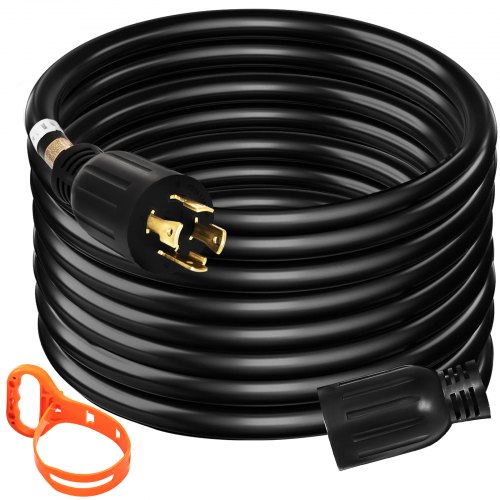
Credit: www.vevor.ca
Safety Certifications And Standards
ULand ETL listingsshow that the extension cord meets safety rules. These marks mean the cord was tested by trusted groups. Always choose cords with these labels to avoid risks.
NEC compliancemeans the cord follows the National Electrical Code. This code sets rules for safe electrical wiring and equipment. Using cords that meet NEC keeps your home or work safe.
Groundingis very important for safety. The cord should have a grounding wire to stop electric shocks. Check if the extension cord has a three-prong plug for grounding. This helps protect people and devices.
Proper Usage And Maintenance
Always connect the twist-lock plug firmly by pushing and turning it until it locks. Loose connections can cause sparks or heat. Use only cords with matching voltage and current ratings. Never force a plug into a socket that does not fit.
Avoid overloadsby checking the total wattage of devices connected. Do not plug too many items into one cord. Overloads can cause cord damage or fire hazards.
- Store cords in a cool, dry place to prevent damage.
- Coil cords loosely to avoid kinks and breaks.
- Inspect cords regularly for cuts, cracks, or frayed wires.
- Replace cords immediately if damage is found.

Credit: shop.usaclean.com
Common Mistakes To Avoid
Using the wrong cord gaugecan cause overheating and damage. Thicker cords carry more power safely. Always check the amp rating for your tool or device. A cord too thin can be dangerous and break easily.
Ignoring environmental conditionsrisks cord damage. Wet or hot places need cords with proper insulation. Outdoor cords must be weather-resistant. Avoid cords that can crack or melt in harsh conditions.
Neglecting regular checksleads to unnoticed wear and tear. Look for cuts, frays, or exposed wires often. Replace damaged cords immediately to prevent shocks or fires. Keep cords clean and store them properly to last longer.
Top Brands And Products
Trusted manufacturersmake twist-lock extension cords that last long and work well. Brands like Leviton, Generac, and Southwireare known for quality and safety. These companies follow strict rules to build strong cords.
Some popular modelsoffer different lengths and power ratings. Choose cords with the right plug type and wire gauge for your needs. Many models have weather-resistant covers for outdoor use.
| Brand | Model | Length | Power Rating | Price Range |
|---|---|---|---|---|
| Leviton | TLX50 | 25 ft | 15 Amps | $$$ |
| Generac | TL100 | 50 ft | 20 Amps | $$ |
| Southwire | SLX30 | 30 ft | 15 Amps | $ |
Price vs qualitymatters. Higher price often means better materials and safety features. Cheaper cords may not last or work well in tough conditions. Choose a cord that fits your budget but also meets safety needs.

Credit: badassextensioncords.com
Frequently Asked Questions
What Is A Twist-lock Extension Cord Used For?
A twist-lock extension cord secures connections in industrial and outdoor settings. It prevents accidental unplugging, ensuring continuous power supply and safety during use.
How To Choose The Right Length For Twist-lock Cords?
Select a length that reaches your equipment without excess slack. Proper length reduces tripping hazards and voltage drop, maintaining safe and efficient power delivery.
What Gauge Wire Is Best For Twist-lock Extension Cords?
Choose wire gauge based on your power needs. Lower gauge numbers mean thicker wire, which supports higher current and reduces overheating risks.
Are Twist-lock Cords Waterproof Or Weather-resistant?
Many twist-lock cords have weather-resistant coatings for outdoor use. Check product specifications for waterproof ratings to ensure they meet your environment’s demands.
Conclusion
Choosing the right twist-lock extension cord keeps your tools safe and working well. Check the cord’s length, gauge, and plug type to match your needs. Always pick cords made from strong, durable materials. A good cord fits your equipment and power requirements perfectly.
This helps avoid accidents and saves time. Take your time to select carefully. A proper choice makes your work easier and safer. Simple steps lead to smart buying decisions.