
Imagine a storm knocks out your power, leaving you in the dark. Frustrating, right?
But what if you could flip a switch and keep your lights on, your fridge running, and your home comfortable? That’s where a standby generator comes in. It’s a game-changer that ensures you’re never left powerless. Setting one up might seem daunting, but it’s easier than you think.
In this guide, you’ll discover simple steps to install your generator, ensuring you’re always prepared for unexpected outages. Dive in, and empower your home with confidence.

Credit: www.achrnews.com
Choosing The Right Generator
Assessing power needsis the first step in choosing a generator. List all the devices you want to run during a power outage. Add the wattage of each device to find total power required. Consider starting power, which can be higher than running power. This helps to pick a generator with enough capacity.
| Type of Standby Generator | Best for | Key Feature |
|---|---|---|
| Air-cooled | Small homes or light use | Compact and affordable |
| Liquid-cooled | Larger homes or heavy use | Runs quietly and cools better |
| Portable | Temporary or emergency use | Easy to move and store |
Fuel optionsinclude natural gas, propane, and diesel. Natural gas is clean and flows from your gas line. Propane stores well and is easy to refill. Diesel generators run longer but need more care. Choose fuel based on availability, cost, and storage space.
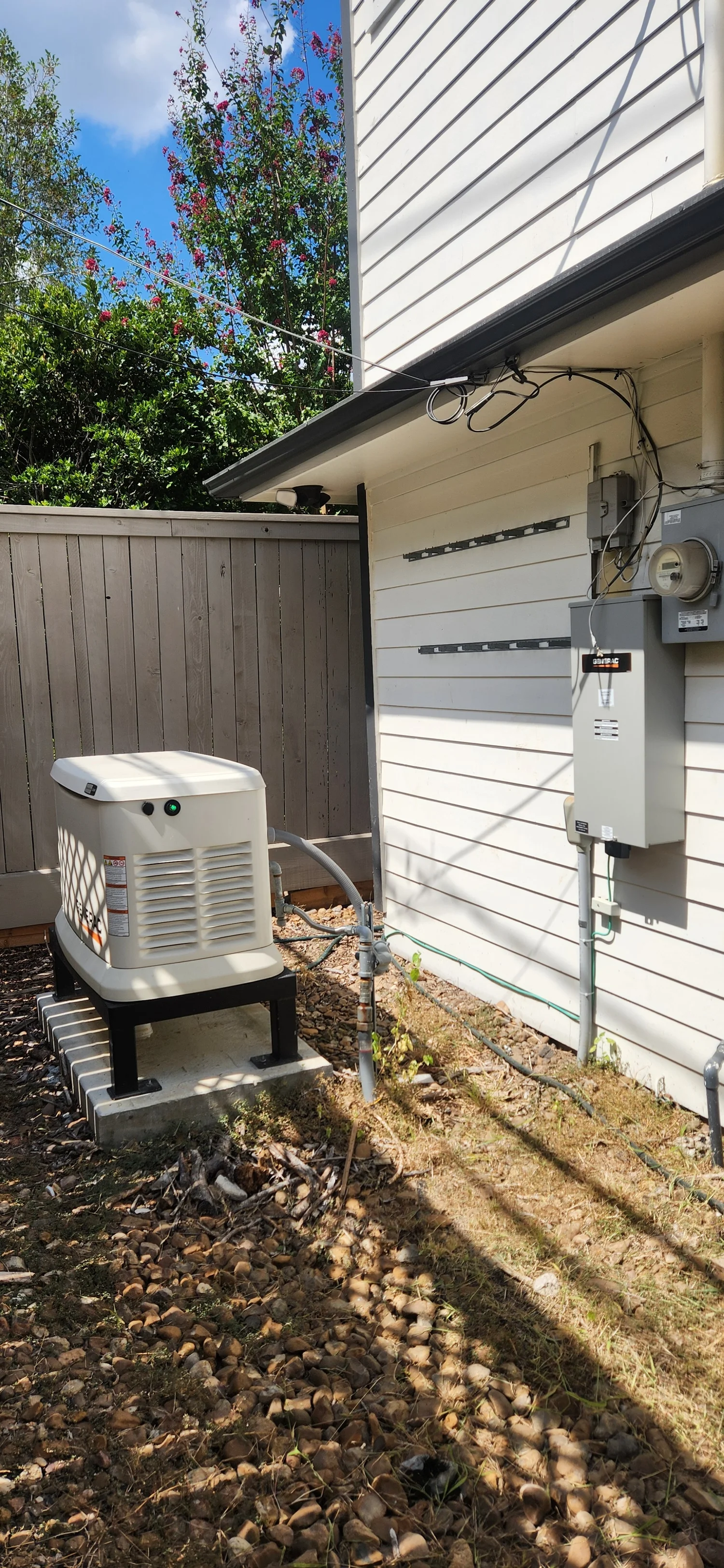
Credit: www.arielicustomhomes.com
Preparing The Installation Site
Choosing the right locationis key for a standby generator. It should be close to your main electrical panel. Also, pick a spot with solid groundto support the generator’s weight.
Ventilationis very important. The generator needs fresh air to work well and to stop fumes from building up. Avoid placing it near windows, doors, or vents to keep harmful gases outside your home.
Follow local codesand rules for safe installation. These rules cover distance from buildings, noise limits, and fuel storage. Check with local authorities or a professional to meet all legal requirements.
Gathering Necessary Tools And Materials
Gathering the right tools and materialsis key for setting up a standby generator. You will need a wrench set, screwdrivers, and pliersto handle bolts and screws. A voltage testerensures safe electrical connections. Prepare a fuel supplylike propane or natural gas, and have fuel linesand connectorsready.
Safety gear such as glovesand safety glassesprotect you during installation. It is important to have an instruction manualfor your specific generator model. Also, collect mounting bracketsand cablesfor proper setup. Having all these items before starting will make the process smoother and safer.
Installing The Generator Base
Building a stable platformis key for your standby generator. Choose a flat, firm spot that won’t shift or sink. A concrete pad is the best choice for a base. It keeps the generator steady and safe during operation.
Before placing the generator, make sure the base is perfectly level. Use a spirit level or bubble level tool. This ensures the generator runs smoothly without extra strain. Uneven surfaces can cause damage or noise.
- Clear the area of debris and loose soil
- Pour concrete at least 4 inches thick
- Smooth and level the surface carefully
- Allow concrete to cure fully before installation
Keeping the base level and strong helps your generator work well. It also extends the lifeof the equipment.
Connecting Electrical Components
The wiring to the transfer switchconnects your generator to your home’s electrical system. This switch safely changes power source from the utility to the generator. Proper wiring avoids power overloadsand electrical hazards. Use wires rated for your generator’s output and follow the manufacturer’s instructions.
Grounding the system is essential for safety. Connect a grounding wire from the generator to a grounding rod or metal water pipe. This prevents electric shocksand helps the system work correctly during power outages.
| Task | Key Points |
|---|---|
| Wiring to Transfer Switch |
|
| Grounding the System |
|
Setting Up Fuel Supply
Fuel lines must be installed carefully to ensure a steady supply to the generator. Use durable, fuel-rated pipesdesigned for your fuel type. Connect the fuel source to the generator securely, avoiding sharp bends that can cause blockages. Keep fuel lines away from heat sources and moving parts.
Check all connections for leaks before starting the generator. Use a soapy water solutionon joints and watch for bubbles, which signal leaks. Tighten fittings or replace damaged parts immediately. Regularly inspect fuel lines to maintain safety and performance.
Testing And Starting The Generator
Before using the generator, perform an initial test run. This ensures the generator works properly and safely. Start the generator and let it run for about 15 minutes. Check for any unusual noises or leaks. Make sure the fuel and oil levels are correct. Observe the control panel to confirm all readings are normal.
Adjusting settings helps the generator work best for your needs. Set the voltage and frequencyaccording to your home’s requirements. Use the control panel to change settings if needed. Test the automatic transfer switch to see if it switches power during an outage. Keep a log of your tests and settings for future reference.
Maintaining Your Standby Generator
Regular inspections keep your standby generatorrunning well. Check for fuel leaksand oil levels. Look for loose wiresor damaged parts. Clean dirt and debris around the unit to avoid blockages.
Scheduling routine maintenance is key. Change the oiland filtersevery 6 months or after 100 hours of use. Test the battery to ensure it holds charge. Run the generator monthly for 15 minutes to keep it ready.
- Inspect fuel lines for cracks or leaks
- Check oil levels and quality
- Test battery voltage regularly
- Clean air filters and intake areas
- Run a short test to ensure function

Credit: aquariushomeservices.com
Frequently Asked Questions
What Tools Are Needed To Set Up A Standby Generator?
You need basic electrical tools, a transfer switch, mounting hardware, and fuel connections. Safety gear is also essential. Proper tools ensure a smooth and safe installation.
How Do I Choose The Right Standby Generator Size?
Calculate your home’s total power needs by adding wattage of essential appliances. Choose a generator that can handle this load comfortably without overloading.
Is Professional Installation Required For Standby Generators?
Professional installation is highly recommended for safety and compliance with local codes. Experts ensure correct wiring and proper fuel connections, reducing risks.
How Often Should A Standby Generator Be Tested?
Test your standby generator monthly to ensure it runs smoothly. Regular testing helps identify issues early and maintains reliability during power outages.
Conclusion
Setting up a standby generator ensures power during outages. Follow each step carefully to avoid mistakes. Test the generator regularly to keep it ready. Safety matters most—always handle fuel with care. A reliable generator brings peace of mind to your home.
Stay prepared, and avoid the stress of unexpected blackouts. Simple steps lead to steady power when you need it.