
Setting up a standby unit for your generator might seem like a daunting task. However, with the right guidance, you can ensure your home or business stays powered during unexpected outages.
Imagine the peace of mind you’ll have knowing that when the lights go out, your generator is ready to step in seamlessly. This guide will walk you through the entire process, simplifying technical jargon and providing you with clear, actionable steps.
You’ll discover how to choose the right unit, install it correctly, and maintain it for optimal performance. Ready to eliminate those power worries and keep your life running smoothly? Let’s get started!
Choosing The Right Standby Unit
Start by checking how much poweryour home or business needs. List all devices and their power ratings. Sum up the total wattage to find the required capacity. Consider peak usage times too. This helps pick a unit that can handle the load without issues.
| Type of Standby Generator | Best For | Notes |
|---|---|---|
| Portable Generators | Small homes, short outages | Easy to move, lower power output |
| Whole-House Generators | Full home backup | Starts automatically, higher cost |
| Commercial Generators | Large buildings, businesses | Heavy-duty, long runtime |
Fuel choice depends on availability and cost. Common options include:
- Natural Gas:Clean, runs as long as supply lasts.
- Propane:Stored easily, good for long outages.
- Diesel:Powerful, but needs safe storage.
Check which fuel is easiest to get in your area. This ensures the generator works when needed.
Preparing The Installation Site
Choose a flat, stable surfacefor the standby unit. Avoid places near windows or vents to reduce noise and fumes entering buildings. The spot should have easy accessfor maintenance and fuel delivery.
Good ventilationis key. The generator produces exhaust gases that must escape safely. Leave enough space around the unit to allow fresh air flowand prevent overheating. Open areas or spaces with vents work best.
| Local Regulation | Description |
|---|---|
| Permits | Check if a permit is needed before installation. |
| Noise Limits | Follow rules on how loud the generator can be. |
| Distance Rules | Maintain required distance from buildings and property lines. |
| Emissions | Meet standards for exhaust and pollution control. |
Always consult local lawsand codes. This helps avoid fines and keeps everyone safe.
Gathering Necessary Tools And Materials
Gathering the right tools and materialsis key to setting up a standby unit for generators. Safety gear protects you during work. Essential safety equipment includes:
- Glovesto protect your hands
- Safety glassesto shield your eyes
- Ear protectionto reduce noise exposure
Required components ensure the standby unit works well. Common parts are:
- Automatic transfer switchto switch power sources
- Battery chargerfor backup power
- Control panelto manage the system
- Fuel supplyfor the generator
Having all these ready helps the setup process go smoothly. Safety and proper parts matter most.
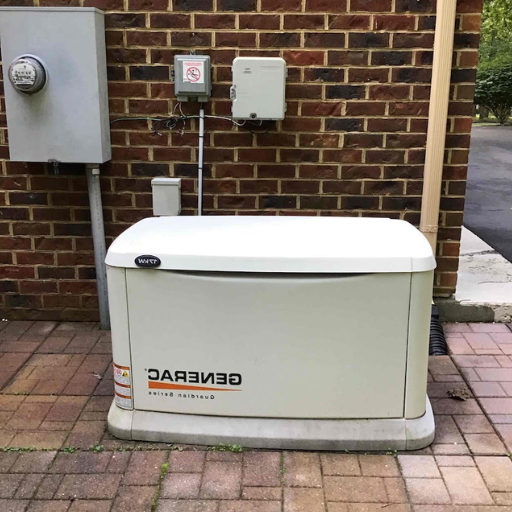
Credit: shgeneratorset.com
Installing The Standby Generator
Choose a flat, stable spot for the standby generator. It should be away from windows and doors to avoid exhaust entering your home. Keep the unit clear of tall plants or objects that block airflow.
Secure the base to stop movement during operation. Use concrete pads or heavy-duty mounting brackets. This helps reduce noise and vibration.
Connect fuel lines carefully. Check for leaks and tight seals. Use proper connectors and follow local codes. Always turn off fuel valves before starting work.
Electrical Connections
Wiring the transfer switchis key to safe generator use. Use wires that match the switch and generator specs. Connect wires tightly to avoid sparks or loose links. Color code wires clearly for easy checks later. Always turn off power before starting any wiring work.
Connecting to the main panelrequires care. Link the transfer switch wires to the main panel’s input terminals. Ensure all connections are secure and insulated. Double-check the main breaker is off to prevent electric shock. Use a voltage tester to confirm no live current is present.
Testing electrical linksis essential before full use. After wiring, restore power and flip the transfer switch to test. Look for steady power flow and no unusual noises. Check that the generator powers only the desired circuits. If any issues appear, turn off power and recheck all connections.
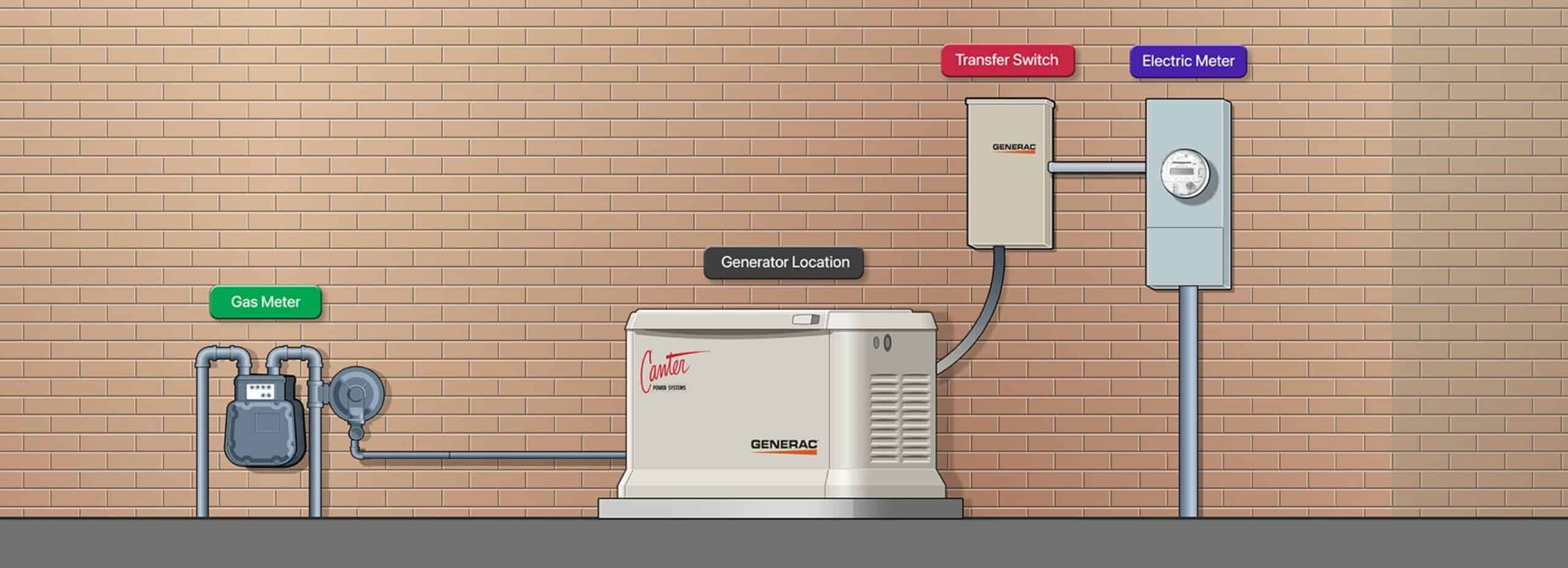
Credit: canterpowersystems.com
Configuring The Control System
The control system needs careful setup for a standby generator unit.
Setting the automatic start featuresensures the generator powers on without delay during outages. This includes programming the start delay time and stop delay time to protect the engine.
Programming alerts and notificationshelps monitor the generator’s status. Alerts can include low fuel, maintenance reminders, and fault conditions. These warnings keep you informed and ready to act.
Performing initial run testsverifies the entire system works correctly. Test the automatic start, transfer switch, and alert functions. Running the generator under load confirms it can handle power demands.
Maintenance And Safety Checks
Regular checks keep the standby unitready to work. Inspect the fuel leveland oil qualityoften. Look for leaksor damaged wires. Clean the air filterto avoid blockages. Test the batteriesto ensure they hold charge. Check coolant levelsto prevent overheating.
Troubleshoot by listening for unusual soundsor vibrations. If the unit won’t start, check the fuel supplyand battery connections. Inspect the control panelfor error codes. Reset the system if needed. Replace worn or broken parts promptly.
| Safety Aspect | What to Check | Frequency |
|---|---|---|
| Fuel System | Fuel quality and leaks | Weekly |
| Electrical System | Battery charge and wiring | Monthly |
| Cooling System | Coolant levels and hoses | Monthly |
| Safety Devices | Emergency stop and alarms | Before use |
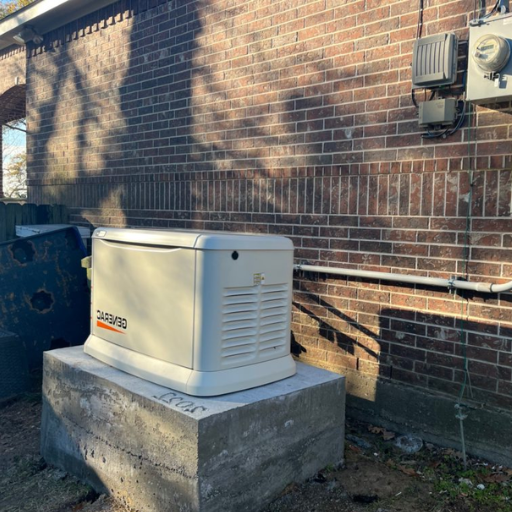
Credit: shgeneratorset.com
Frequently Asked Questions
What Is A Standby Unit For Generators?
A standby unit is a backup power generator. It automatically activates during power outages, ensuring continuous electricity supply. Standby units protect homes and businesses from disruptions and damage caused by power loss.
How To Install A Standby Generator Unit?
Install the standby generator near your main power source. Connect it to your electrical panel using a transfer switch. Follow manufacturer instructions and local codes. Professional installation is recommended for safety and compliance.
Why Use A Transfer Switch With Standby Generators?
A transfer switch safely isolates the generator from the utility grid. It prevents backfeeding, protecting utility workers and equipment. It also allows seamless power transition during outages.
How To Maintain A Standby Generator Unit?
Regularly check fuel levels, oil, and filters. Run the generator monthly to ensure readiness. Inspect batteries and clean connections. Routine maintenance extends generator life and reliability.
Conclusion
Setting up a standby unit for your generator ensures power during outages. Follow each step carefully for safety and efficiency. Test the system regularly to confirm it works well. Keep the unit clean and maintained for longer life. A standby unit protects your home or business from unexpected power loss.
Stay prepared and avoid costly downtime with proper setup. Simple actions lead to reliable power when you need it most.