
When the lights flicker and everything grinds to a halt, a commercial standby generator can be your lifeline. But how do you ensure it’s up to the task?
Sizing a commercial standby generator correctly isn’t just a matter of convenience; it’s crucial for your business operations. Imagine the peace of mind knowing that your business will keep running smoothly, even during unexpected power outages. You’ll discover the essential steps to choose the right generator size for your needs.
Say goodbye to guesswork and hello to confidence in your power reliability. Ready to safeguard your business against power disruptions? Let’s get started.

Credit: blog.hercrentals.com
Factors Affecting Generator Size
Load typesdetermine the size of a commercial standby generator. Different machines use power differently. Some devices need more power to start but less while running. This is called starting wattsand running watts. Generators must handle both to work well.
Estimating future power needsis also important. Businesses grow, and power needs may increase. Adding extra capacity now can save money later. Think about new equipment or expansion plans.
| Power Type | Description |
|---|---|
| Starting Watts | Power needed to start motors or machines |
| Running Watts | Power required for normal operation |
| Future Needs | Extra power for growth or new equipment |
Calculating Power Load
Begin by making a list of all essential equipmentthat will need power. Include lights, computers, HVAC units, and security systems. Each item uses a certain amount of electricity, measured in watts.
Next, estimate the total wattageby adding the power ratings of all listed equipment. This sum shows the basic power requirement for the generator.
Surge capacitymust be considered as some devices use extra power to start. Motors and compressors often need more power briefly when turned on. Add about 20-30% extra wattage to cover this surge.
| Equipment | Power Rating (Watts) | Surge Power (Watts) |
|---|---|---|
| Lighting | 500 | 600 |
| Computers | 1500 | 1500 |
| HVAC Unit | 3500 | 5000 |
| Security System | 200 | 200 |
Add all basic wattages for total running load. Add surge power for peak needs. This helps choose the right generator size.
Choosing Generator Capacity
Choosing the right generator capacityis vital for reliable power. It must match the total electrical loadyou expect to support. Start by adding up all the watts needed for essential devices and systems. This ensures the generator handles the demand without overloading.
Always allow for a safety margin. This extra capacity covers startup surges and future load increases. A common practice is to add 10-20% more capacity than your total calculated load. This margin helps keep the generator safe and efficient.
| Fuel Type | Impact on Capacity | Notes |
|---|---|---|
| Diesel | High power output | Good for heavy loads, reliable |
| Natural Gas | Consistent power | Cleaner, but may need larger size |
| Propane | Moderate power | Portable, easy storage |
Installation And Compliance
Preparing the site is keyfor a smooth generator installation. Choose a dry, level areawith good airflow. Keep the spot clear of debrisand away from windows or vents to prevent exhaust buildup.
Local codes and permits are important. Check with city or county offices for rules. Permits ensure safety and legal compliance. Ignoring these can cause fines or delays.
- Hire a licensed electricianfor safe wiring.
- Use a certified installerfamiliar with local rules.
- Follow manufacturer instructions closely.
- Test the system thoroughly before use.
Maintenance And Testing
Routine checkskeep your generator ready and safe. Check oil, coolant, and fuel levels often. Look for leaks or unusual noises. Clean air filters regularly to avoid damage. Tighten loose connections to stop sparks and failures.
Load bank testingsimulates real power use. It helps find hidden problems and ensures the generator handles full load. Testing also prevents wet stacking, which harms the engine. Run tests at least once a year for best results.
Scheduling servicewith a qualified technician is key. They inspect parts, change fluids, and fix small issues before they grow. Keep a service log to track maintenance dates and tasks. This helps avoid unexpected breakdowns and extends generator life.
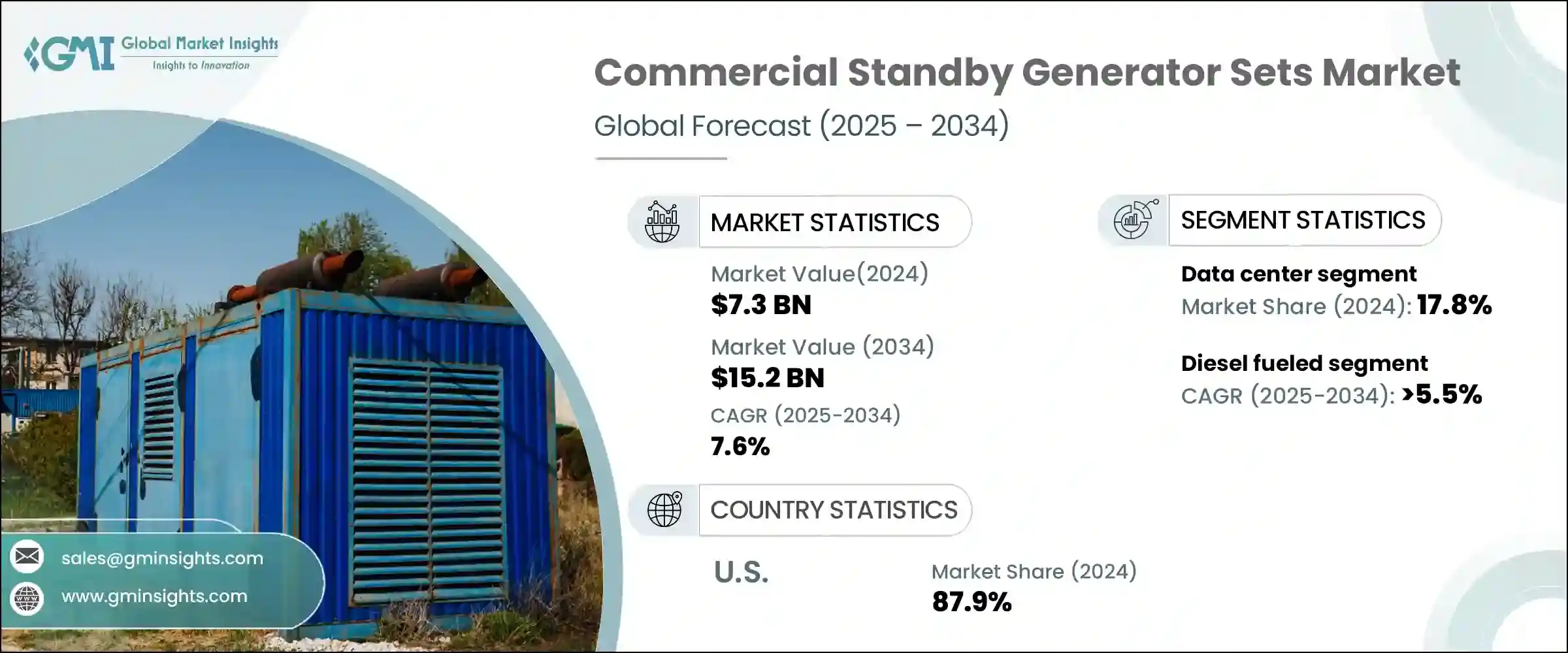
Credit: www.gminsights.com
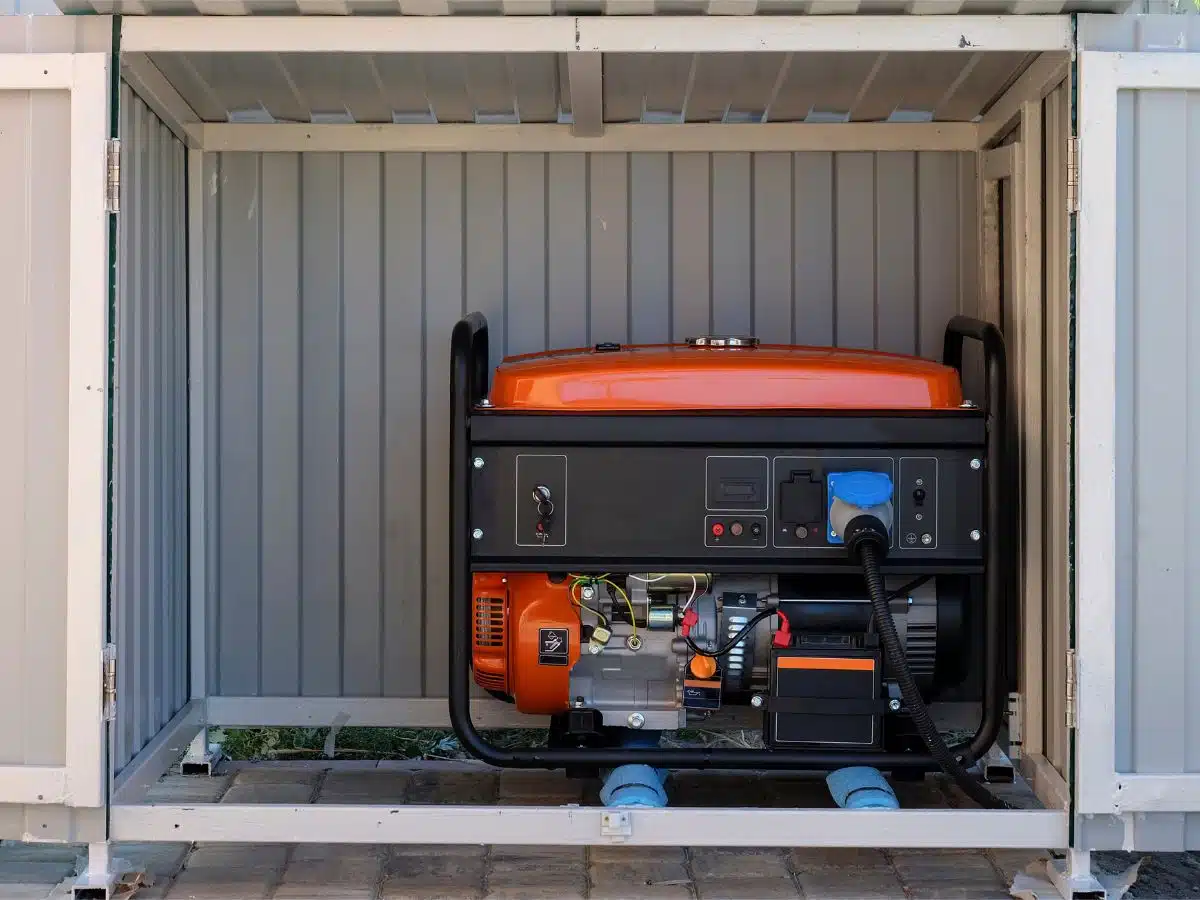
Credit: flpowersolutions.com
Frequently Asked Questions
What Factors Determine The Size Of A Commercial Standby Generator?
The size depends on your total power needs, including essential equipment and peak load. Calculate wattage requirements accurately to avoid oversizing or undersizing your generator.
How Do I Calculate The Power Needs For My Business?
List all critical devices, note their wattage, and sum up the total. Consider starting wattage for motor-driven equipment for precise sizing.
Why Is Generator Sizing Important For Commercial Use?
Correct sizing ensures reliable power during outages and prevents damage to equipment. Oversized units waste fuel; undersized units can fail under load.
Can I Use A Residential Generator For Commercial Purposes?
Residential generators usually lack capacity and durability for commercial needs. Commercial standby generators are designed to handle higher loads and longer run times.
Conclusion
Choosing the right size for your commercial standby generator ensures reliable power. Calculate your total power needs carefully before buying. Oversized generators waste fuel and cost more. Undersized units may fail during outages. Think about future growth and extra equipment.
Consulting a professional can help avoid mistakes. Proper sizing keeps your business running smoothly. Reliable power means less stress and fewer losses. Take your time and plan well. Your generator will protect your business when you need it most.