
Imagine this: a sudden storm hits, and your entire neighborhood plunges into darkness. You’re left scrambling for candles and flashlights, while your food risks spoiling in the refrigerator.
A home standby generator could have saved you from this chaos, but knowing how to size it correctly is key. You want a generator that meets your needs without overspending on unnecessary power. In this guide, you’ll discover the simple steps to sizing a home standby generator perfectly for your household.
We’ll strip away the confusion and help you make a choice that ensures you’re never left powerless again. Ready to gain peace of mind with the right generator? Let’s dive in.
Why Proper Sizing Matters
Proper sizingof a home standby generator is very important. It helps avoid power shortagesduring outages. A generator that is too small cannot support all your appliances at once. This can cause some devices to stop working.
Overspendingis also a risk with a generator that is too big. Larger units cost more to buy and run. They use more fuel, which adds to your bills. Choosing the right size saves money and energy.
Efficient operationis easier with a correctly sized generator. It runs smoothly and lasts longer. The generator does not have to work too hard or stay idle too much. This balance keeps it in good shape and ready when needed.
Assessing Your Power Needs
Make a list of all essential appliancesin your home. Include items like the refrigerator, heater, lights, and medical devices. This list helps find how much power you need.
Calculate the total wattageby adding the wattage of each appliance. Wattage numbers are on the appliance labels or manuals. Add all running watts to get a base number.
Starting loadsare usually higher than running loads. Appliances like refrigerators and pumps need extra power to start. Check both running and starting watts for accuracy.
| Appliance | Running Watts | Starting Watts |
|---|---|---|
| Refrigerator | 700 | 2200 |
| Heater | 1500 | 1500 |
| Lights | 300 | 300 |
| Well Pump | 1000 | 3000 |
Types Of Home Standby Generators
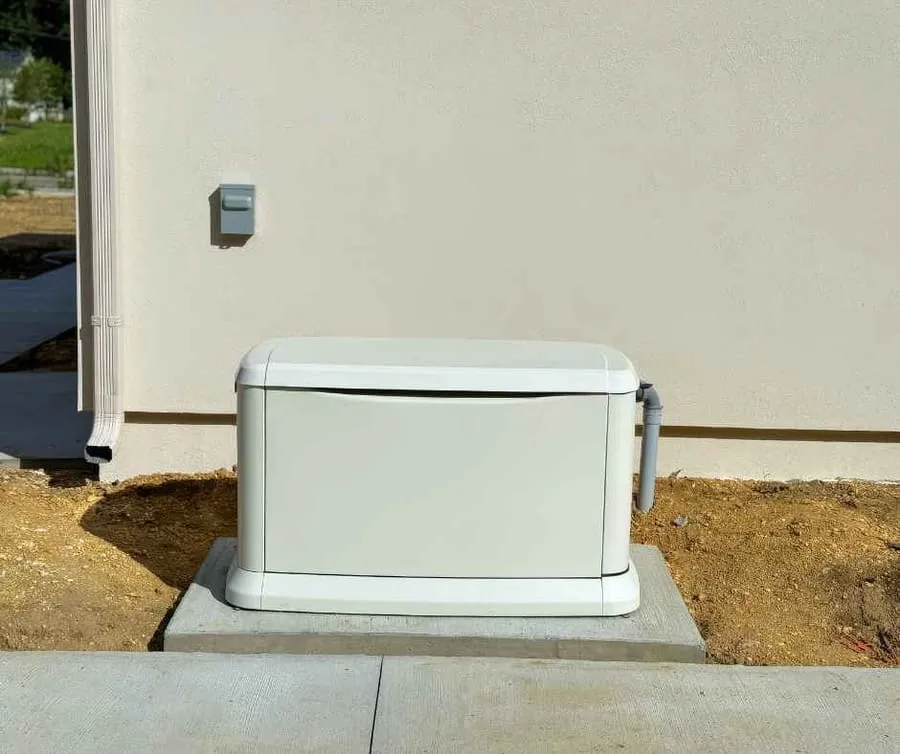
Portable generatorsare easy to move and use for short power needs. They run on gasoline and work well for small appliances. Standby generatorsare fixed outside your home. They turn on automatically during power outages and run on natural gas or propane.
Choosing the right fuel typeaffects the generator’s performance and cost. Gasoline is easy to find but needs refilling often. Natural gas provides steady power and is cheaper long-term. Propane stores well and burns clean but can be expensive.
| Power Rating (kW) | Uses |
|---|---|
| 5-7 kW | Small homes, basic appliances |
| 8-12 kW | Medium homes, most appliances |
| 13-20 kW | Large homes, whole-house backup |
Credit: generatorstore.com
Calculating Generator Size
Using a load calculatorhelps estimate the total power needed. Enter the wattage of appliances and devices to get a clear number. This ensures the generator can handle your home’s needs without overload.
Plan for future expansion. Add extra wattage for new appliances or home additions. This avoids buying a bigger generator later.
Consulting with professionalsensures accurate sizing. Experts can check your electrical system and suggest the best generator size. Their advice reduces risks and helps with safe installation.
Installation And Placement Tips
Choose a spot for the generator that is close to your home’s main power panel. It should be on a flat, stable surface to keep it steady. Avoid placing it near windows or doors to stop exhaust gases from entering your home.
Good airflow is very important. Leave enough space around the generator for air to flow freely. This helps the engine stay cool and work well. Avoid tight corners or areas blocked by plants or walls.
Local rules often say where generators can go. Check your city or town codes before installing. Some places need a permit or have rules about noise and distance from buildings. Following these rules keeps your home safe and legal.

Credit: beckelectriccompany.com
Maintenance For Optimal Performance
Regular checks keep your generator working well and ready to use. Look for signs of wear, leaks, or loose parts. Clean the area around the generator to stop dirt from causing problems.
Fuel and battery care are key. Use fresh fuel and store it safely. Check the battery for corrosion and charge it if needed. A healthy battery helps the generator start quickly.
| Professional Servicing Tasks | Why It Matters |
|---|---|
| Oil and filter change | Keeps engine parts running smoothly |
| Coolant system check | Prevents overheating during use |
| Load testing | Ensures generator handles power needs |
| Inspection of electrical connections | Reduces risk of faults or shorts |

Credit: www.angi.com
Frequently Asked Questions
What Size Generator Do I Need For My Home?
To size a home standby generator, calculate your total wattage needs. Add the wattage of essential appliances and systems you want to power during an outage. Choose a generator with a capacity slightly higher than this total for safety and future needs.
How To Calculate Wattage For A Standby Generator?
List all appliances you want to power and note their starting and running wattage. Add the highest starting wattage to the total running wattage. This sum gives you the minimum generator size needed to handle the load safely.
Can A Generator Power An Entire House?
Yes, a sufficiently sized home standby generator can power your entire house. You must calculate your total electrical load accurately. Generators range from 7kW to 22kW or more for full-home backup power.
Should I Size A Generator For Peak Or Running Load?
Size your generator based on the peak (starting) load, which is higher than running load. This ensures the generator can handle appliance startup surges without overload or damage.
Conclusion
Choosing the right size for your home standby generator is key. It keeps your essential appliances running during power outages. Think about your home’s power needs carefully. Avoid buying a generator that is too big or too small. A properly sized generator saves money and energy.
It also gives peace of mind when storms hit. Take time to calculate your wattage needs. This helps ensure your home stays safe and comfortable. A good generator is a smart investment for any homeowner. Stay prepared and keep your lights on.