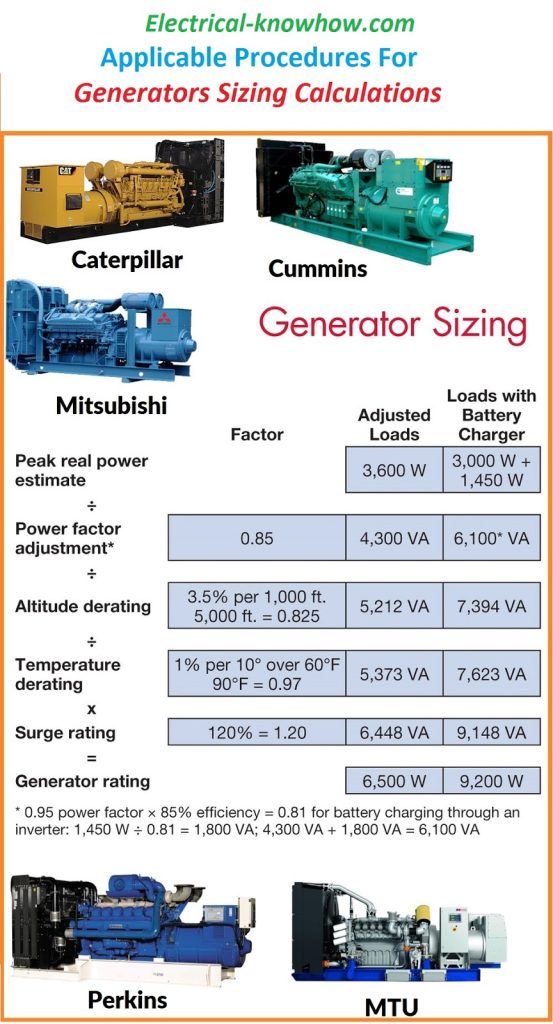
Are you tired of worrying about unexpected power outages disrupting your home or business? Finding the right size for a standby generator can be a daunting task, but it doesn’t have to be.
Imagine having a reliable backup power source that kicks in seamlessly whenever you need it, ensuring that life continues without a hitch. The key to achieving this peace of mind lies in choosing the perfect generator size, and that’s where a standby generator calculator comes into play.
In this guide, we’ll walk you through the simple steps of using this tool to make an informed decision tailored to your unique needs. Stick with us, and discover how to ensure your power never falters when you need it most.
Why Size Matters
Proper sizingof a standby generator ensures it runs efficiently. A generator too small can fail to power important devices. Too large means wasting moneyon extra capacity you don’t need.
Right sizehelps the generator work at its best. It avoids overloadingor running below capacity. This keeps the power steady and prevents damage.
Cost depends on size. A bigger generator costs more to buy and run. Smaller ones may save money at first but risk failureduring outages.
Correct size also affects how long the generator lasts. Overworking a small generator can cause frequent repairs. A well-sized generator usually needs less maintenanceand lasts longer.
Key Factors To Consider
Power requirements are the most important part of sizing a standby generator. Calculate the total wattage of all appliances you want to run during an outage. This includes lights, refrigerators, heaters, and other essential devices.
Appliance load types affect the total power needed. Some devices run continuously while others only start up briefly. Knowing this helps avoid buying a generator that is too small or too large.
| Load Type | Description | Example |
|---|---|---|
| Continuous Load | Power used while running | Lights, fans |
| Starting Load | Extra power needed to start | Motors, pumps |
Starting watts are often higher than running watts. Motors and compressors need extra power at startup. A generator must handle this surge to keep devices working properly.
Using A Standby Generator Calculator
Input your total wattageneeds carefully. Include all appliances you want to power. Use the running wattsand starting wattsfor each device. Double-check your numbers to avoid errors. The calculator will use this data to suggest the right size.
Results show the generator sizein kilowatts (kW). It also lists the maximum loadyour generator can handle. Compare this with your needs. Make sure the generator size matches or slightly exceeds your total wattage. This ensures reliable power without overloads.
- Leaving out appliances causes under-sizing.
- Mixing running and starting watts leads to wrong results.
- Not updating data after changes in home appliances.
- Ignoring the surge watts needed for devices with motors.
- Choosing a generator too small risks frequent shutdowns.

Credit: www.omnicalculator.com
Sizing For Different Applications
Residential standby generators need to cover essential home devices. These include refrigerators, lights, heaters, and sometimes air conditioning units. Sizing depends on the total wattage of all appliances you want to power simultaneously. Small homes might need generators around 5,000 to 7,500 watts. Larger homes may require 10,000 watts or more.
Commercial generators must support business operations without interruption. They often power lighting, computers, cash registers, and HVAC systems. Generators here usually range from 20,000 to 100,000 watts, depending on business size. It’s important to calculate peak load carefully to avoid outages.
Industrial settings need the most powerful generators. They run heavy machines, tools, and safety systems. Industrial generators can exceed 100,000 watts. Exact size depends on the number and type of machines used simultaneously. Over-sizing helps manage sudden surges in power demand.
Tips For Accurate Sizing
Estimate future power needsto avoid undersizing or oversizing the generator. Think about new appliances or machines you may add later. This helps ensure the generator runs efficiently and lasts longer.
Consider peak usage times. Some equipment uses more power when starting up. Add extra capacity for these peak moments. This prevents the generator from overloading or shutting down.
- List all devices you want to power.
- Note their running wattage and starting wattage.
- Add starting wattages for devices that start at the same time.
- Calculate total wattage needed.
Consult professionalsfor advice. They know the exact calculations and local rules. Their help can save you money and avoid errors.
Top Generator Models In 2025
Choosing the right standby generator depends on your home size and budget. Small homes need less power, so compact models work well. Large properties require stronger generators with higher capacity. Budget-friendly options offer basic features but reliable performance.
| Category | Model | Power Output | Key Features |
|---|---|---|---|
| Best for Small Homes | Generac Guardian 8kW | 8000 Watts | Quiet, compact, easy installation |
| Best for Large Properties | Kohler 20kW | 20000 Watts | High power, durable, reliable |
| Budget-Friendly Options | Champion 12kW | 12000 Watts | Affordable, simple controls, solid build |
Installation And Maintenance Insights
Proper placementof a standby generator is key. Choose a flat, dry spot away from windows and doors. Keep the generator clear of debris and plants to allow good airflow. Noise levels matter, so place it where it won’t disturb neighbors.
Regular testingensures the generator works during outages. Run it monthly for about 15 minutes. This keeps the engine and battery in good shape. Testing also helps spot problems early before they cause failures.
Follow a service schedulefor oil changes, air filter cleaning, and spark plug checks. Check fuel levels often and replace old fuel to avoid clogs. Keep the generator clean and protected from weather to extend its life.
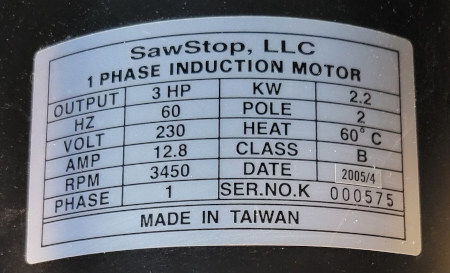
Credit: norwall.com

Credit: www.namibian.com.na
Frequently Asked Questions
What Is A Standby Generator Calculator?
A standby generator calculator estimates the power needs for your home or business. It helps determine the right generator size based on your appliances and equipment. Using this tool ensures efficient backup power without overspending or under-sizing the generator.
How Do I Calculate Generator Size For My Home?
Calculate your home’s total wattage by adding the running watts of essential appliances. Include starting watts for devices with motors. A standby generator calculator simplifies this process, providing an accurate generator size recommendation for reliable power backup.
Why Is Accurate Generator Sizing Important?
Accurate sizing prevents generator overload or wasted energy. A correctly sized generator delivers efficient power, prolongs equipment life, and reduces fuel costs. It ensures your essential appliances run smoothly during outages without risking damage or failure.
Can I Use A Standby Generator For The Whole House?
Yes, if the generator is sized correctly to handle your home’s total power needs. Use a standby generator calculator to assess your electrical load and select a generator capable of supporting all essential circuits.
Conclusion
Choosing the right size for your standby generator is key. A calculator helps find the perfect match for your needs. It saves money and prevents power problems. Think about what appliances you want to run during an outage. Use the calculator to add their power needs.
This way, you avoid buying a generator that is too big or too small. Taking time to size it correctly gives peace of mind. You stay prepared for any power cut without worry.