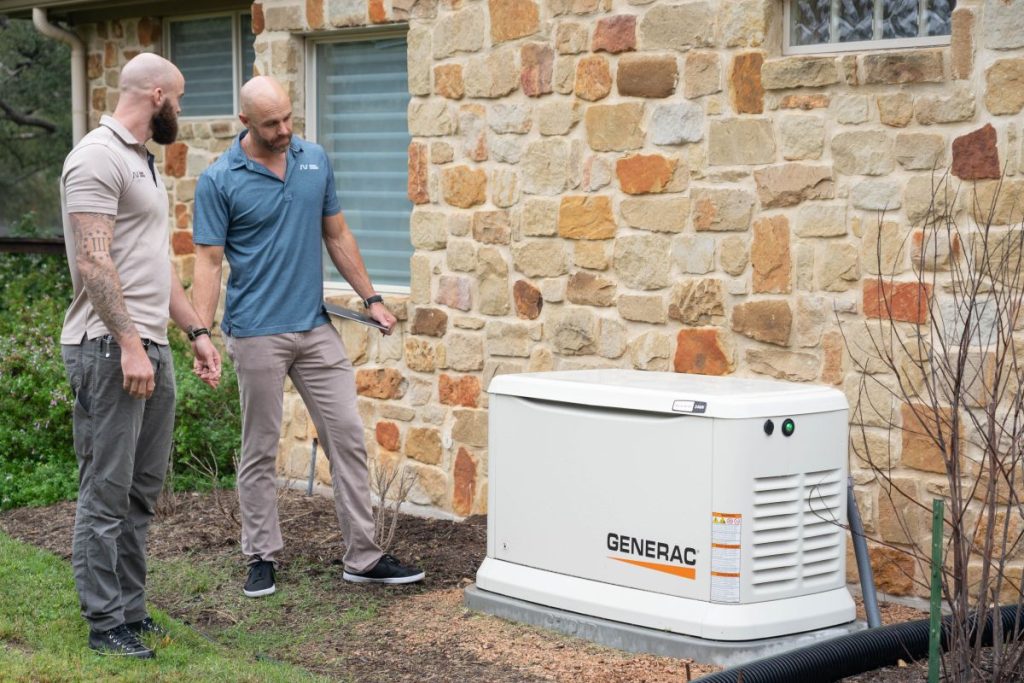
Are you tired of power outages disrupting your daily routine? Imagine never having to worry about spoiled food in the fridge or missing an important meeting due to a blackout.
A standby generator could be your perfect solution. But before you rush out to buy one, it’s crucial to know how to size it correctly. Choosing the right size ensures your generator efficiently powers your home during an outage without breaking the bank on unnecessary capacity.
In this guide, we’ll walk you through the steps to accurately size a standby generator tailored to your needs, so you can enjoy uninterrupted power and peace of mind. Ready to take control of your power supply? Let’s dive in!
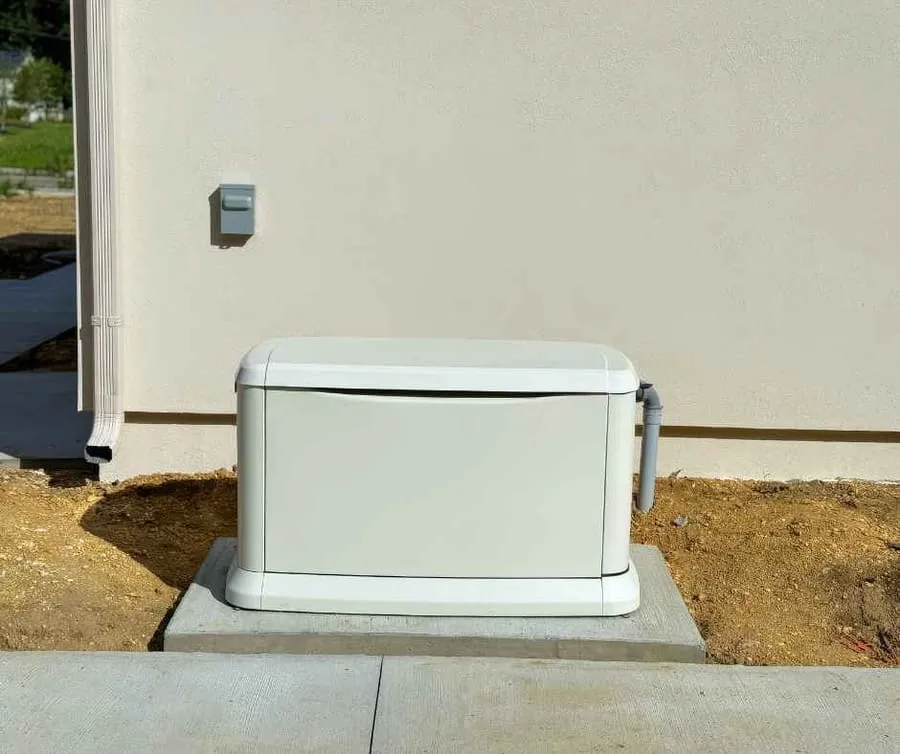
Credit: generatorstore.com
Types Of Standby Generators
Portable generatorsare easy to move. They work well for small power needs. You can take them camping or use them during short outages. Permanent generatorsstay outside your home. They turn on automatically when power goes out. These are good for whole-house power backup.
Fuel types include gasoline, diesel, propane,and natural gas. Gasoline is common for portable units. Diesel is strong and lasts long. Propane and natural gas are cleaner fuels and can connect to home lines.
| Power Output Range | Best For |
|---|---|
| 5 kW – 10 kW | Small homes, basic appliances |
| 10 kW – 20 kW | Medium homes, several appliances |
| 20 kW and above | Large homes, full backup |

Credit: www.lawescompany.com
Assessing Your Power Needs
Start by listing all essential appliances and devices you want powered during an outage. Include lights, refrigerator, heater, and medical equipment. Each device has a running wattrating and a starting wattrating. Starting watts are higher because some devices need extra power to start.
Calculate total running watts by adding each device’s running watt. Add highest starting watt among devices to total running watts for a safe estimate. This helps pick a generator that can handle both running and starting loads.
Plan for future needs. Think about adding more devices or upgrading appliances. Choose a generator with some extra capacity to avoid buying a new one later.
| Load Type | Description | Example Watts |
|---|---|---|
| Running Watts | Power needed to keep device running | Refrigerator: 600W, Lights: 300W |
| Starting Watts | Extra power needed to start device | Refrigerator: 1200W, Air Conditioner: 2200W |
Choosing The Right Generator Size
Choosing the right generator size depends on matching its capacityto your electrical load. A generator must supply enough power for all devices you want to run during an outage.
Avoiding oversizingprevents spending extra money on a generator too big for your needs. Oversized units waste fuel and space.
Undersizingrisks not powering all important appliances at once. This can cause damage or interruption.
Using load calculators and toolshelps estimate your total power needs. These tools add up wattages of all devices you want to run.
- List all appliances and devices you want to power.
- Find their starting and running wattages.
- Add wattages to get total load.
- Choose a generator with capacity slightly above total load.
Installation And Safety Considerations
Proper placementof a standby generator is key for safety and performance. It must be outdoors, away from windows, doors, and vents. This keeps exhaust fumesfrom entering your home. The area should have good ventilationto avoid overheating. Place it on a stable, flat surface to reduce vibrations and noise.
Compliance with local codes and permitsis essential. Many places require a permit before installation. Check local rules for distance from buildingsand property lines. Hiring a certified electrician ensures the installation meets all safety standards.
- Check oil and coolant levels regularly
- Clean the generator and air filters
- Run the generator monthly to keep it ready
- Inspect batteries and electrical connections
- Schedule professional servicing yearly
Cost Factors And Budgeting
The initial purchase priceof a standby generator varies by size and brand. Bigger units cost more upfront but can power more appliances. Small generators may be cheaper but might not cover all your needs.
Fuel and operating costsdepend on the fuel type—gasoline, propane, or diesel. Some fuels are cheaper but less efficient. Running a generator often means spending on fuel regularly. Maintenance also adds to these costs.
| Cost Factor | Description |
|---|---|
| Initial Purchase Price | Varies by size and brand; bigger units cost more |
| Fuel Costs | Depends on fuel type and usage frequency |
| Operating Costs | Includes maintenance and fuel expenses |
| Long-Term Savings | Less downtime and fewer damages during outages |
Long-term savingscome from avoiding power outage losses. A reliable generator keeps your home running smoothly. It can protect appliances and reduce damage costs. Spending a bit more now can save money later.

Credit: www.hecomfortservices.com
Common Mistakes To Avoid
Ignoring peak load requirementscan cause your generator to fail during power outages. Always calculate the total wattage of devices that run at the same time. This helps to avoid buying a generator that is too small or too large.
Neglecting professional assessmentmight lead to wrong sizing. Experts can evaluate your home’s power needs accurately. They consider all appliances and future expansions.
Overlooking generator compatibilitywith your home’s electrical system can create safety issues. Check if the generator matches your voltage and phase requirements. Also, verify it works with your transfer switch.
- Calculate total peak load wattage carefully.
- Seek professional help for accurate sizing.
- Ensure generator matches your electrical system.
Frequently Asked Questions
What Size Standby Generator Do I Need For My Home?
To size a standby generator, calculate your home’s total wattage needs. Include essential appliances and systems. Choose a generator that handles the peak load comfortably for reliable power.
How To Calculate Wattage For Standby Generators?
Add the wattage of all appliances you want powered during an outage. Consider starting watts for motors or compressors. Sum these to find your total wattage requirement.
Can A Standby Generator Power An Entire House?
Yes, a properly sized standby generator can power your entire home. Ensure the generator matches or exceeds your home’s total electrical load for full coverage.
Why Is Starting Wattage Important For Generator Sizing?
Starting wattage is higher than running wattage for devices with motors. Ignoring this can overload your generator. Always include starting watts in your total calculation.
Conclusion
Choosing the right size for your standby generator matters a lot. It keeps your home powered during outages without wasting fuel. Start by listing essential appliances and their power needs. Add a bit extra for safety. A properly sized generator runs smoothly and saves money.
Don’t guess—use a calculator or ask an expert. Taking time now helps avoid problems later. Stay prepared, stay safe, and keep the lights on.