Are you tired of unexpected power outages disrupting your daily life? Imagine never worrying about losing power again.
With the right home standby generator, you can keep your lights on, your appliances running, and your home comfortable, no matter what Mother Nature throws your way. But how do you choose the perfect generator size for your home? It’s not just about picking the biggest one you can find.
You need one that’s just right for your needs. In this guide, you’ll discover how to accurately size a home standby generator, ensuring you invest wisely and enjoy seamless power when it matters most. Stay tuned, because the peace of mind that comes with reliable backup power is just a few steps away.
Assessing Power Needs
Calculate the total power needed for your home by listing essential devices. Focus on items like refrigerators, lights, and heating systems. Add their wattage to find the total load. Use the highest starting wattage for appliances with motors.
Think about future needs. Plan for extra power if you want to add more devices later. This helps avoid buying a new generator soon.
| Device | Running Watts | Starting Watts |
|---|---|---|
| Refrigerator | 700 | 2200 |
| Lights (10 bulbs) | 1000 | 1000 |
| Heating System | 1500 | 1500 |
| Water Pump | 800 | 1600 |
- Sum running watts for constant power use.
- Add highest starting watts for devices with motors.
- Include 10-20% extra for future expansion.

Credit: beckelectriccompany.com
Types Of Home Generators
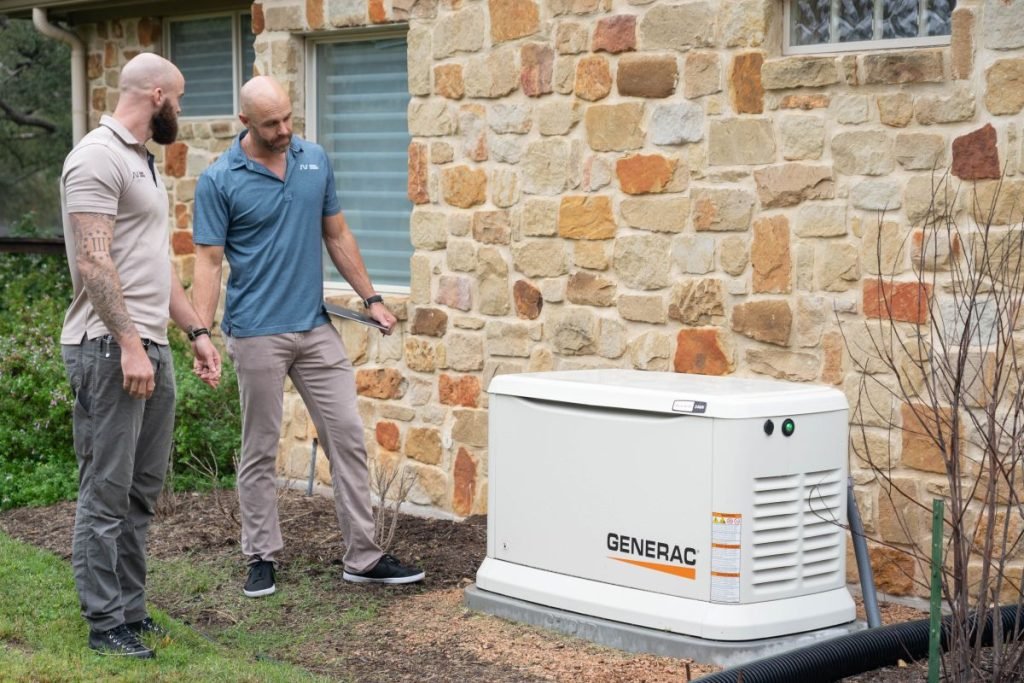
Portable generatorsare small and easy to move. They work well for short power outages and small appliances. These generators run on gasoline or propane. They need manual setup and refueling. Standby generatorsstay outside your home and start automatically during power loss. They provide power to the whole house. They usually run on natural gas or propane. Standby generators are more expensive but very reliable.
| Fuel Type | Common Generator | Efficiency | Notes |
|---|---|---|---|
| Gasoline | Portable | Lower | Easy to find but less efficient and short storage life |
| Propane | Portable and Standby | Moderate | Clean burning and stores well |
| Natural Gas | Standby | High | Continuous fuel supply, very efficient |
Generator Capacity And Ratings
Wattage requirementsare key to sizing a home generator properly. Your generator must handle both running powerand surge power. Running power is the continuous energy needed to keep devices working. Surge power is the extra energy needed when devices start up, like refrigerators or pumps.
A generator’s capacity should cover the highest surge wattageamong your appliances. Without enough surge power, devices may fail to start or damage the generator.
| Power Type | Description | Example |
|---|---|---|
| Running Power | Energy needed to keep appliances on | Light bulbs, TV |
| Surge Power | Extra energy for appliance startup | Refrigerator compressor, air conditioner |
Calculate total running watts by adding all appliance power needs. Add the highest surge wattage to this total for the correct generator size.
Load Management Strategies
Prioritize critical applianceslike refrigerators, heaters, and medical devices. This helps keep your home safe during outages. Avoid powering less important items at the same time. This reduces the loadon the generator and extends its life.
Using transfer switchesallows easy switching between grid power and generator power. They help safely control which appliances get power. Transfer switches prevent overload by connecting only selected circuits. This way, you can manage energy useefficiently and protect your home’s electrical system.
Site Preparation And Installation
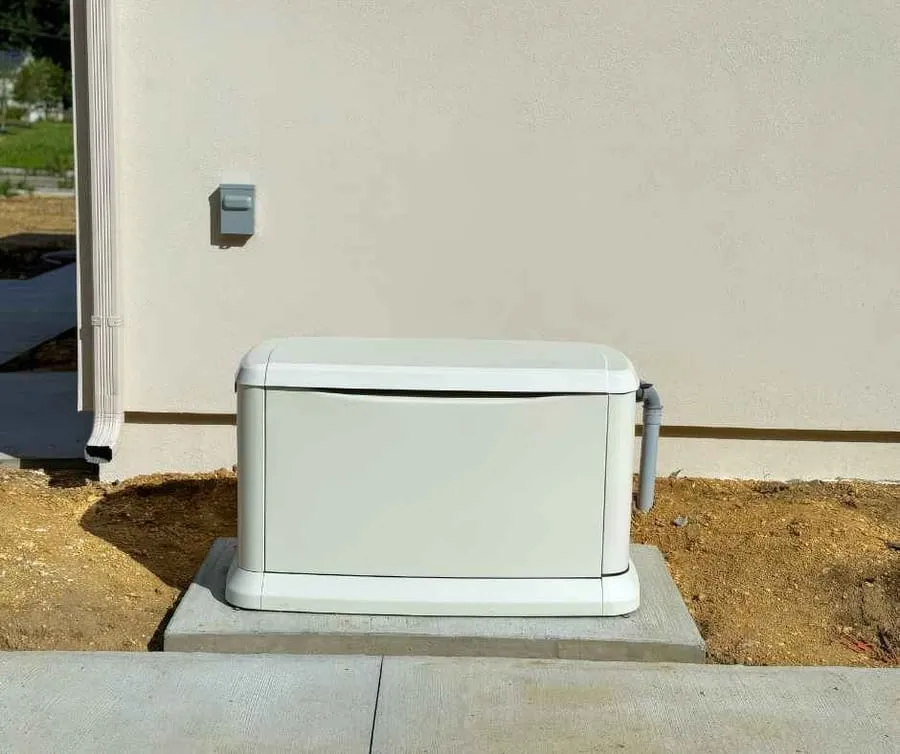
Choose a flat and stable surfacefor the generator. Avoid places near windows, doors, or vents.
Keep the generator at least 5 feet awayfrom your home to prevent carbon monoxide buildup.
Check local zoning rulesand restrictions before placing the generator.
Obtain necessary permitsfrom local authorities before installation. This ensures compliance with safety rules.
Follow national and local electrical codesstrictly during installation.
Hire a licensed professionalfor wiring and connection to avoid hazards.
Credit: generatorstore.com
Maintenance And Testing
Regular checks keep your generator ready to work. Check oil and coolant levels often. Clean air filters to stop dust build-up. Tighten any loose parts to avoid damage. Look for fuel leaks or cracks in hoses.
Test the generator by running it for a short time. This helps find any problems early. Listen for strange noises or vibrations. Make sure it starts easily and runs smoothly. Check the battery condition and replace if weak.
Keep a log of all inspections and tests. This helps track maintenance history and plan future care. Proper maintenance ensures the generator works during power outages. Reliable operation means safety and peace of mind.

Credit: www.hecomfortservices.com
Frequently Asked Questions
How Do I Calculate Home Standby Generator Size?
To size a home standby generator, list essential appliances and their wattages. Add starting and running watts for accuracy. Choose a generator with capacity slightly above this total for safety and future needs.
What Factors Affect Generator Sizing For Homes?
Key factors include total wattage of devices, surge power requirements, and future power needs. Consider essential appliances, HVAC systems, and lighting to ensure continuous power during outages.
Can I Use A Smaller Generator For My Home?
Using a smaller generator can risk overload and damage appliances. It may not support all essential devices simultaneously. Always select a generator that meets or exceeds your total power demand.
Why Is Surge Wattage Important In Generator Sizing?
Surge wattage accounts for the extra power appliances need during startup. Ignoring surge watts can cause generator overload and failure. Always include surge wattage when calculating generator capacity.
Conclusion
Choosing the right size for your home standby generator keeps your power steady. It saves you money and avoids overloads. Think about your essential appliances and their power needs. Don’t guess—check the wattage carefully. A properly sized generator runs smoothly and lasts longer.
Take time to plan before buying. Your home stays safe and comfortable during outages. Simple steps lead to smart decisions. Keep your family powered with the right generator size.