
Are you wondering how to size a standby generator for your home or business? Choosing the right size is key to keeping your power steady during outages without wasting money on a unit that’s too big or too small.
You’ll discover simple steps to find the perfect generator size tailored just for your needs. By the end, you’ll feel confident making a smart choice that keeps your lights on and your devices running smoothly when you need them most.
Let’s dive in and make sure your backup power is spot on!
Assess Power Needs
Calculate the total wattageby adding up all appliances’ power needs. Check the label on each device for its wattage. Add the running watts for all devices you want to power.
Identify essential appliancesthat must stay on during an outage. These often include:
- Refrigerator
- Heating or cooling systems
- Lights
- Medical devices
- Water pumps
Consider starting wattstoo. Some devices need more power when they start, like refrigerators and air conditioners. Starting watts can be 2 to 3 times higher than running watts. Make sure the generator can handle this surge.
Credit: generatorstore.com
Choose Generator Type
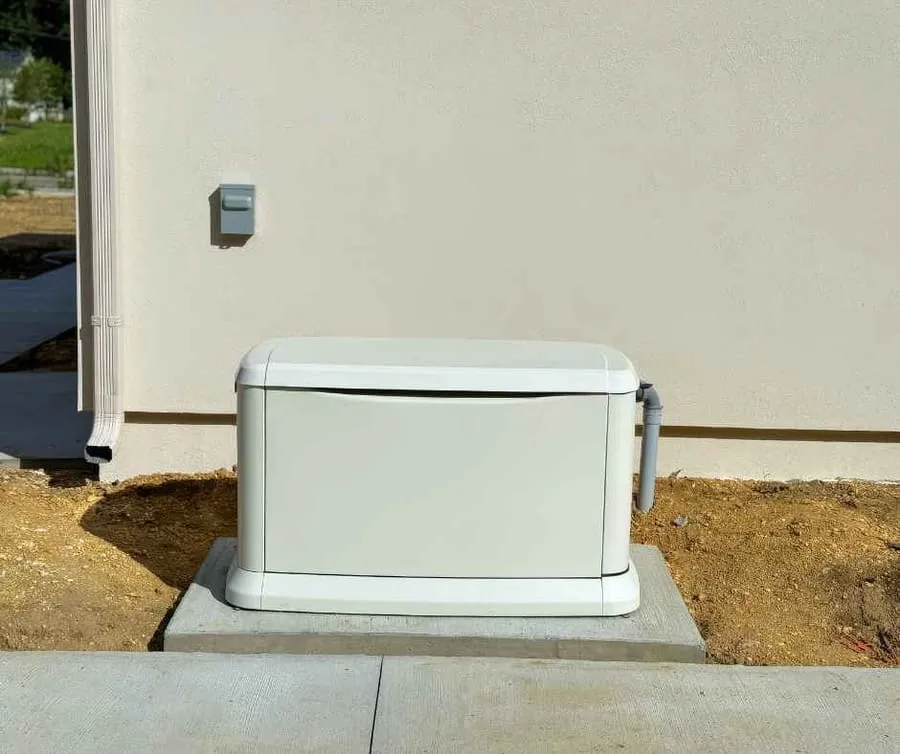
Portable generatorsare easy to move and cost less. They work well for short power outages or outdoor activities. Standby generatorsare fixed and start automatically during power loss. They provide more power and work for long outages.
Fuel choice affects how the generator runs and how much it costs. Common fuels include:
- Gasoline:Easy to find but stores poorly.
- Propane:Burns cleaner and stores well.
- Natural Gas:Connected to home supply, no refilling needed.
- Diesel:Powerful and efficient but noisy.
Noise matters, especially in neighborhoods. Portable generators are usually louder. Standby generators run quieterand can be placed farther from the house. Check decibel ratings before buying.
Evaluate Load Types
Resistive loadsinclude devices like heaters and incandescent lights. They use power steadily without spikes. These loads are easy to calculate for generator sizing.
Inductive loadssuch as air conditioners and refrigerators draw more current when starting. This makes the generator work harder at first.
Motor starting currentsare important to consider because motors need extra power briefly when they turn on. The generator must handle these surges without shutting down.
| Load Type | Power Use | Generator Consideration |
|---|---|---|
| Resistive Loads | Steady power use | Calculate based on running watts |
| Inductive Loads | Higher start-up current | Include surge capacity |
| Motor Starting Currents | Brief high power | Ensure generator supports surge watts |
Account For Future Expansion
Planning for future expansionensures your generator meets growing power needs. New appliances and upgrades can increase electricity use.
Consider the following:
- Adding new applianceslike air conditioners or heaters raises power demand.
- Upgrading electrical systems, such as adding circuits, also uses more energy.
- Choose a generator that can handle extra load beyond current needs.
- Leaving room for growth avoids buying a new generator soon.
Estimating future power needs helps select the right generator size. This keeps your home safe and running smoothly during outages.
Understand Generator Ratings
Continuous poweris the amount a generator can supply nonstop. It matches the total wattage your home needs during an outage. Make sure the generator’s continuous power rating is equal to or higher than your home’s regular power use.
Surge poweris the extra power a generator gives at startup. Some devices, like refrigerators, need more power when starting. Choose a generator with a surge power rating higher than your highest starting load.
Voltage stabilitykeeps power steady and safe for your appliances. A good generator maintains voltage even under heavy loads. Look for models that provide stable voltage to protect sensitive devices.

Credit: woodstockpower.com
Install Transfer Switches
Transfer switchesconnect your generator to your home’s electrical system. They let you switch power safely.
Manual transfer switchesneed you to flip a switch yourself. They are cheaper but need your attention during outages.
Automatic transfer switchesswitch power on their own. They sense outages and start the generator quickly.
Choosing between manual and automatic depends on budgetand convenience.
| Type | Cost | Operation | Best For |
|---|---|---|---|
| Manual | Lower | Switch by hand | Small homes, budget users |
| Automatic | Higher | Switches automatically | Busy homes, ease of use |
Safety is key.Transfer switches prevent backfeed, which can hurt utility workers.
Always hire a licensed electricianto install your transfer switch. This keeps your home and family safe.
Consult Professional Services
Professional help is important for sizing a standby generator. Experts can check your electrical loadto find the right size. They measure the power used by all devices and systems in your home or business.
Here are key points for electrical load assessment:
- List all appliances and their power needs.
- Calculate total wattage required.
- Consider starting power for motors and compressors.
- Include future power needs for expansion.
For generator installation, keep these tips in mind:
- Place the generator on a flat, stable surface.
- Ensure good ventilation around the unit.
- Keep it away from doors and windows for safety.
- Follow local codes and regulations.
- Hire a licensed electrician for wiring and setup.

Credit: www.lawescompany.com
Frequently Asked Questions
How Do I Determine The Right Size For My Standby Generator?
To size a standby generator, calculate your home’s total wattage needs. Add up all essential appliances and systems for accurate sizing.
What Factors Affect Standby Generator Sizing?
Key factors include total wattage, starting surge power, and future expansion plans. Consider energy efficiency and appliance types too.
Can A Standby Generator Handle All Home Appliances Simultaneously?
Most generators can’t run all appliances at once. Prioritize critical devices like heating, refrigeration, and lighting for proper sizing.
Why Is Surge Wattage Important In Generator Sizing?
Surge wattage covers the extra power needed when appliances start. It’s typically higher than running wattage, ensuring smooth generator operation.
Conclusion
Sizing a standby generator correctly is crucial. It ensures reliable power during outages. Start by calculating your power needs. List essential appliances and devices. Check their wattage requirements. Consider future power needs too. Consult a professional if you’re unsure. Proper size prevents overloading and underutilization.
This extends the generator’s lifespan. It also ensures efficient fuel use. Invest time in research. Choose a generator that fits your specific needs. This saves money and hassle long-term. Proper sizing keeps your home or business running smoothly during outages.
Reliable power, when you need it most.