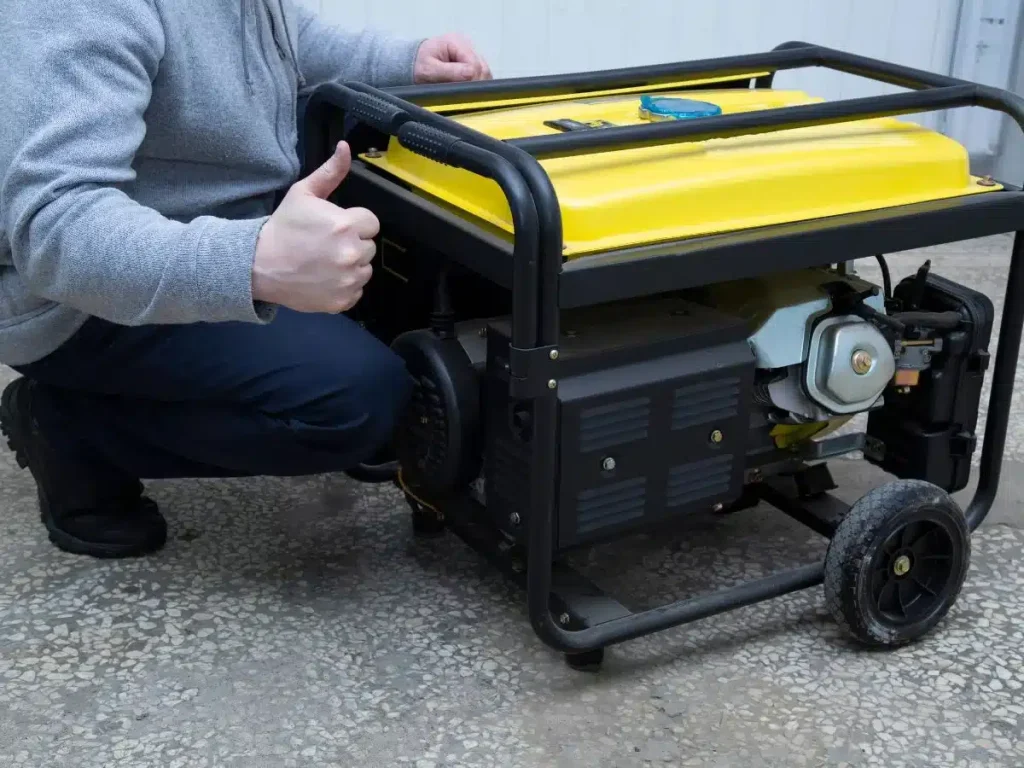
Imagine this: you’re enjoying a peaceful evening at home, and suddenly, the loud hum of your standby generator kicks in. It’s not just a minor annoyance; it disrupts your tranquility.
If you’ve ever wished for a way to silence that unwelcome noise, you’re in the right place. In this guide, you’ll discover simple, effective methods to soundproof your standby generator. You don’t need to be a DIY expert or spend a fortune to reclaim your peace.
With a few smart strategies, you can significantly reduce the noise and enjoy the serenity you deserve. Ready to transform your noisy generator into a whispering powerhouse? Let’s dive in and get started!

Credit: www.zombiebox.com
Noise Sources In Standby Generators
Engine noiseis the loudest sound from a standby generator. It comes from the moving parts inside the engine. The faster the engine runs, the louder the noise. Engine noise can be reduced by adding soundproof enclosures or barriers around the generator.
Exhaust soundis the noise made when gases leave the engine. This sound can be sharp and irritating. Using a muffler or silencer on the exhaust pipe helps lower this noise.
Vibration and rattlinghappen when parts inside the generator shake. These vibrations can cause loose parts to rattle and create extra noise. Placing the generator on a soft pad or using vibration dampers can reduce these sounds.
Location And Placement Tips
Placing the generator far from bedrooms and living spaces helps reduce noise. A good distance limits sound reaching indoor areas.
Using trees, shrubs, or fences as natural barriers blocks and absorbs sound waves. These barriers soften noise before it spreads.
Choose a flat, stable spot that allows easy access for maintenance. Avoid low areas where water can collect.
- Keep the generator on a solid base to prevent vibrations.
- Place it near a wall or corner to reflect sound away.
- Ensure the spot has good airflow for cooling.
Soundproof Enclosures
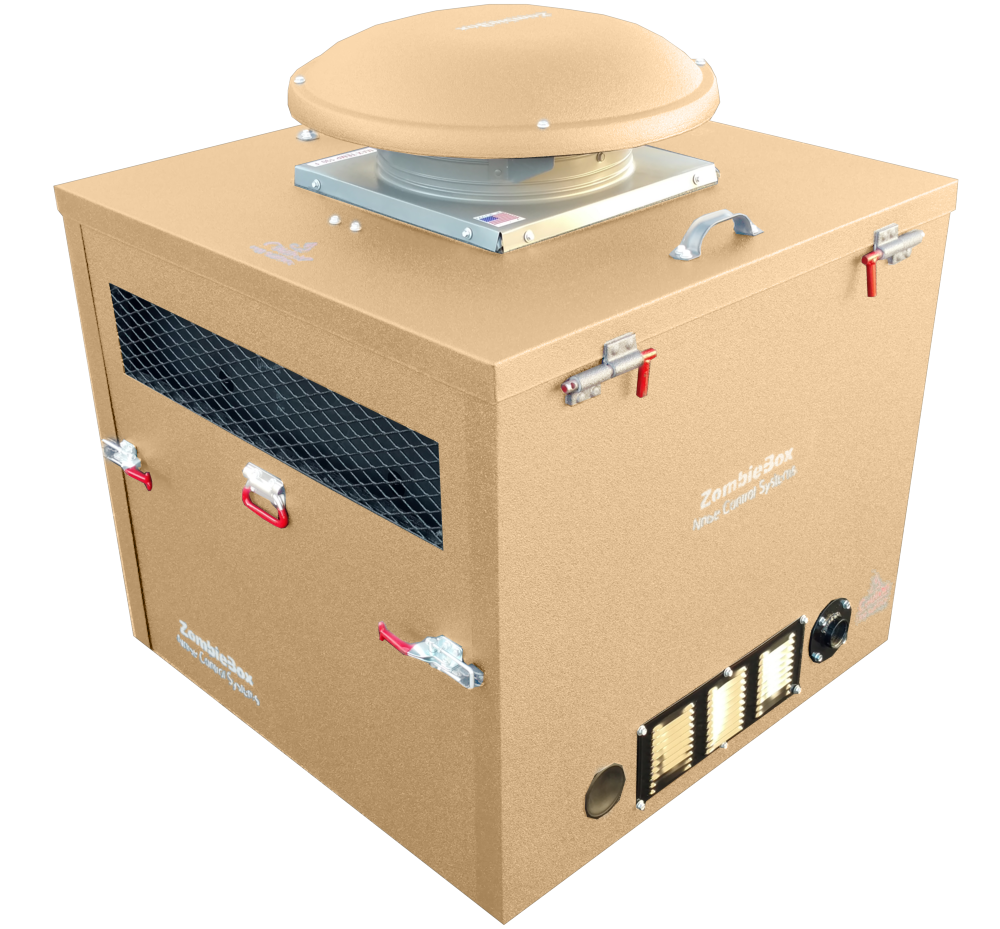
Soundproof enclosures help reduce generator noise effectively. They come in different typessuch as metal, wood, and composite boxes. Each type offers unique benefitsfor sound reduction and durability.
Common materials used for soundproofing include mass-loaded vinyl, acoustic foam, and fiberglass insulation. These materials absorb sound waves and block noise from escaping.
Proper ventilation is essentialto prevent overheating. Ventilation openings should be covered with sound-absorbing material. This keeps the generator cool and noise low.
| Enclosure Type | Material | Key Feature |
|---|---|---|
| Metal | Steel or Aluminum | Durable and good noise blocker |
| Wood | Thick Plywood | Natural sound absorber, easy to build |
| Composite | Mixed materials | Lightweight and effective |
Credit: www.zombiebox.com
Vibration Isolation Techniques
Anti-vibration padshelp absorb shaking from the generator. These pads stop noise from moving to the ground or walls. They are usually made from rubber or foam. These pads are easy to place under the generator’s feet.
Mounting solutionsinclude special brackets or springs. They hold the generator firmly but allow slight movement. This reduces noise caused by hard contact with the floor or frame.
Reducing structural transmissionmeans cutting noise paths through walls or floors. Adding soft materials between the generator and building parts helps. Materials like foam, rubber, or cork work well. These materials stop vibrations from traveling far.
Exhaust Silencers And Mufflers
Choosing the right mufflerhelps reduce generator noise effectively. Look for mufflers designed for standby generators. They should match the engine sizeand exhaust flow. A well-fitted muffler lowers sound levelsand improves performance.
Proper installationis key to noise control. Attach the muffler securelyto avoid vibrations. Use tight clampsand seal jointsto stop leaks. Position the exhaust outlet away from living spaces.
- Check muffler and exhaust pipes often.
- Remove dirt and debris to keep airflow smooth.
- Replace worn parts to maintain quiet operation.
- Listen for unusual sounds that show problems.
Credit: www.smokstak.com
Additional Noise Reduction Methods
Acoustic barriersand fencing can block and reduce sound waves. Materials like thick wood, concrete, or special soundproof panels work best. Installing these around the generator creates a quiet zone by stopping noise from spreading.
Landscapinghelps absorb sound naturally. Planting dense bushes, trees, or tall grasses near the generator can soften noise. Soil, mulch, and uneven ground also reduce sound reflections.
Routine maintenancekeeps the generator running quietly. Regular oil changes, tightening loose parts, and cleaning filters prevent loud sounds. Well-kept machines produce less noise and last longer.
Safety And Compliance
Proper ventilationis crucial for standby generators. It prevents carbon monoxide buildupand allows the engine to cool. Make sure the enclosure has enough openings for air to flow freely. Avoid blocking vents with objects or debris. Place the generator in a well-ventilated area, away from windows and doors.
Following local noise regulationshelps avoid fines and complaints. Check your city or county rules about noise limits. Use soundproof enclosuresor barriers to reduce noise levels. Keep noise under the allowed decibel level during both day and night.
Fire safety is a must around generators. Store fuel in approved containersand away from heat sources. Keep a fire extinguishernearby, rated for flammable liquids. Regularly inspect fuel lines and connections for leaks. Clear the area of dry leaves and flammable materials to reduce fire risk.
Frequently Asked Questions
How Can I Reduce Generator Noise Effectively?
To reduce generator noise, use soundproof enclosures, install vibration dampers, and add acoustic foam. Proper placement away from living areas also helps.
What Materials Are Best For Soundproofing Generators?
Dense materials like mass-loaded vinyl, acoustic foam, and soundproof blankets work best. They absorb and block sound efficiently.
Is It Safe To Soundproof A Standby Generator?
Yes, if you ensure proper ventilation and cooling. Avoid blocking exhaust or airflow to prevent overheating and carbon monoxide buildup.
How Much Does Soundproofing A Generator Cost?
Costs vary from $100 to $500 depending on materials and labor. DIY options can reduce expenses significantly.
Conclusion
Soundproofing a standby generator helps keep your home peaceful. Simple steps like adding barriers and insulation reduce noise effectively. Quiet generators mean less disturbance for you and neighbors. Choose materials that block and absorb sound well. Regular maintenance also keeps noise levels low.
Enjoy reliable power without loud interruptions. Take time to soundproof your generator today. A quieter environment improves comfort and rest. Small efforts bring big noise reduction results.