Imagine finally finding peace and quiet after a long day, only to be interrupted by the constant hum of your standby generator. Annoying, right?
You’re not alone. Many homeowners face the same issue when their whole house standby generator disrupts their serene environment. But what if you could enjoy uninterrupted tranquility while still benefiting from reliable backup power? This is where soundproofing comes in.
By soundproofing your generator, you can drastically reduce the noise and reclaim your peace. Intrigued? You should be. In this guide, you’ll discover simple, effective strategies to soundproof your generator, ensuring it runs quietly in the background. Stick around to learn how you can transform your noisy nuisance into a silent ally, keeping your home both powered and peaceful.
Credit: www.premium-electric.ca
Choosing The Right Generator
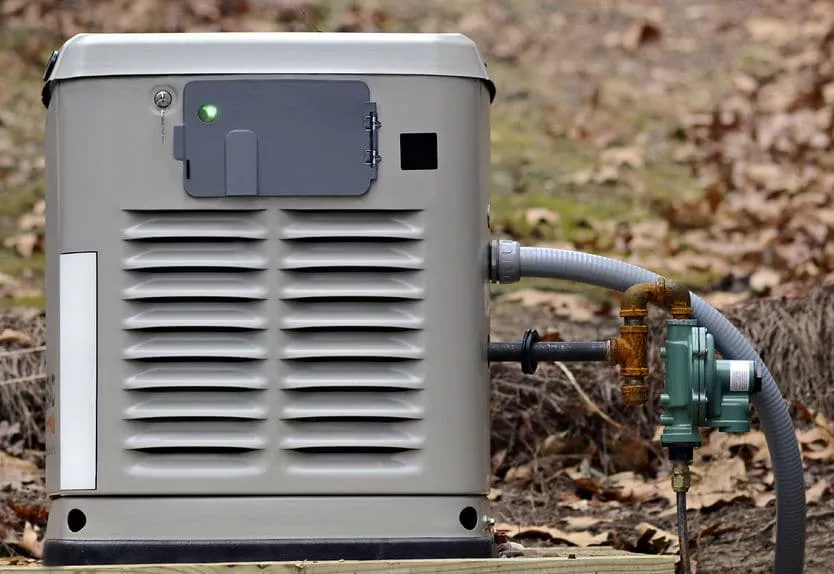
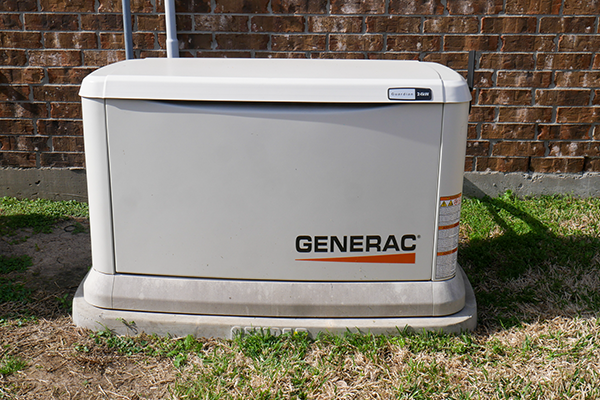
Choosing the right generator starts with understanding your power needs. Calculate the total wattage for all devices you want to run. This helps pick a generator with the correct capacityto avoid overloads or wasted energy.
Noise ratingsshow how loud a generator runs. Look for models with low decibel (dB) levels. Quieter generators are better for home use, causing less disturbance to family and neighbors.
Generators use different fuel typessuch as gasoline, propane, or natural gas. Each type affects noise, run time, and maintenance. Propane and natural gas tend to burn cleaner and quieter than gasoline.
Credit: generatorsupercenter.com
Identifying Noise Sources
Engine noiseis a major sound source in standby generators. It comes from the moving parts inside the motor. This noise can be loud and constant during operation. Soundproofing materials like foam or blankets can reduce this noise effectively.
Exhaust soundcomes from the gases leaving the engine. It is often sharp and high-pitched. Using mufflers or exhaust silencers helps lower this noise. Properly routing exhaust pipes away from living areas also makes a big difference.
Vibrationcreates noise by causing surfaces to shake. These vibrations transfer sound to the ground and nearby walls. Anti-vibration pads or mounts can absorb these movements. This reduces the noise caused by shaking and rattling parts.
Soundproofing Materials
Acoustic panelshelp absorb sound waves. They reduce noise by trapping sound inside. These panels are easy to install around the generator. They come in different sizes and thicknesses to fit your needs.
Mass Loaded Vinyl (MLV)is a heavy, flexible material. It blocks sound from passing through walls or barriers. MLV works well wrapped around the generator or inside enclosures. It is thin but very dense, making it effective for soundproofing.
Weatherproof insulationprotects from noise and weather. It keeps moisture and dust away from the generator. This insulation also reduces sound by blocking air gaps. Use it to cover areas exposed to rain or snow.
| Material | Function | Best Use |
|---|---|---|
| Acoustic Panels | Absorb sound waves | Inside walls, around generator |
| Mass Loaded Vinyl | Block sound transmission | Wrap generator, inside enclosures |
| Weatherproof Insulation | Protect and block noise | Outdoor areas, exposed parts |
Building A Soundproof Enclosure
Choosing the right materialshelps block sound effectively. Use mass-loaded vinyl, acoustic foam, and soundproof drywall. These materials absorb and reduce noise well. Wood or metal frames give strong support.
Good ventilationkeeps the generator cool and safe. Use acoustic ventsthat stop noise but let air flow. Place vents away from walls to lower sound escape. Proper airflow prevents overheating and noise buildup.
Easy accessallows quick checks and fixes. Build doors or panels that open wide. Use seals around openings to stop noise leaks. Keep space inside free from clutter for smooth maintenance.
Vibration Isolation Techniques
Anti-vibration padshelp reduce noise by absorbing vibrations. They are placed under the generator’s feet to stop the shaking from spreading to the ground. These pads come in rubber or neoprene, which are soft and flexible materials. Soft pads work best for noise control.
Mounting the generator properly is key to cutting down vibrations. Using spring mountsor isolator mountskeeps the unit steady and stops vibrations from moving to the house structure. Secure mounts also help the generator last longer.
| Technique | How It Works | Material |
|---|---|---|
| Anti-Vibration Pads | Absorb vibrations under the generator feet | Rubber, Neoprene |
| Mounting Methods | Use springs or isolators to keep unit steady | Steel with rubber or spring isolators |
Exhaust Silencing Options
Mufflersand resonatorsreduce the noise from the generator’s exhaust. Mufflers work by absorbing sound wavesand lowering the noise level. Resonators help by canceling out specific sound frequenciesthat cause loud noises. Both are important for a quieter operation.
Exhaust routing is about directing exhaust gasesaway from living areas. Routing exhaust through longer pipesor bendshelps reduce noise. It also keeps fumes away from windows and doors, improving safety and comfort.
| Exhaust Silencing Option | Benefits |
|---|---|
| Mufflers | Absorb sound waves, lower overall noise |
| Resonators | Cancel specific sound frequencies, reduce harsh sounds |
| Exhaust Routing | Directs exhaust away, reduces noise near home |
Placement And Landscaping
Choosing the optimal locationfor your generator helps lower noise levels. Place it as far as possible from windows and outdoor living areas. A spot behind the house or near a fence works well.
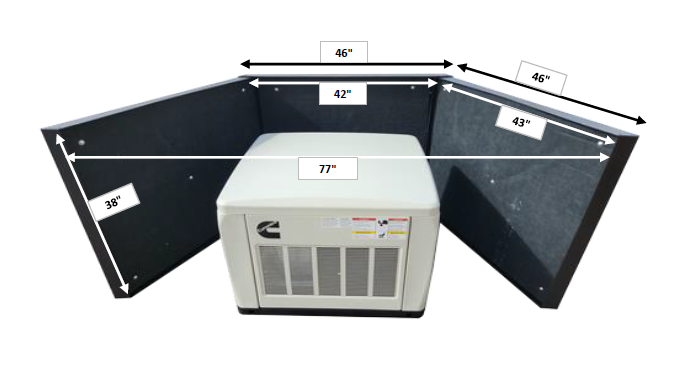
Using barrierslike fences or walls can block sound waves. Solid, thick materials absorb sound better. Position barriers between the generator and your home or neighbors.
Natural sound bufferssuch as trees, shrubs, and bushes also help. They break up sound paths and soften noise. Plant dense greenery around the generator area for extra quiet.
Regular Maintenance Tips
Keep the generator clean to ensure quiet operation. Dirt and dust can block vents and cause noise. Wipe surfaces with a damp cloth regularly. Check for any loose partsthat may rattle during use.
Inspect soundproofing materials like foam or panels for damage. Tears or gaps reduce noise reduction. Replace worn-out materials quickly to maintain soundproofing strength.
- Look for cracks in the enclosure.
- Check seals around doors and panels.
- Ensure vents have proper sound covers.
- Tighten bolts and screws that hold soundproof parts.
Regular checks keep the generator safeand quiet. Small fixes prevent big problems later.

Credit: www.angi.com
Frequently Asked Questions
How Can I Reduce Generator Noise Effectively?
Use soundproof enclosures and vibration isolators around your generator. Adding acoustic panels and barriers also minimizes noise transmission efficiently.
What Materials Work Best For Generator Soundproofing?
Mass-loaded vinyl, acoustic foam, and dense fiberglass panels absorb and block generator noise well. These materials reduce sound waves and vibrations effectively.
Is Professional Installation Necessary For Soundproofing?
While DIY is possible, professional installation ensures optimal noise reduction and safety. Experts select proper materials and install soundproofing correctly.
How Does Location Affect Generator Noise Levels?
Placing the generator away from living areas and using natural barriers like trees can reduce perceived noise significantly. Location choice impacts sound dispersion.
Conclusion
Soundproofing your whole house standby generator reduces noise and stress. It creates a peaceful environment for you and your neighbors. Simple steps like using insulation and barriers work well. Regular maintenance also keeps the generator quieter over time. Quiet power means comfort during outages and better rest at night.
Take action to enjoy a calm, noise-free home when power goes out. Your efforts make a big difference in daily life.