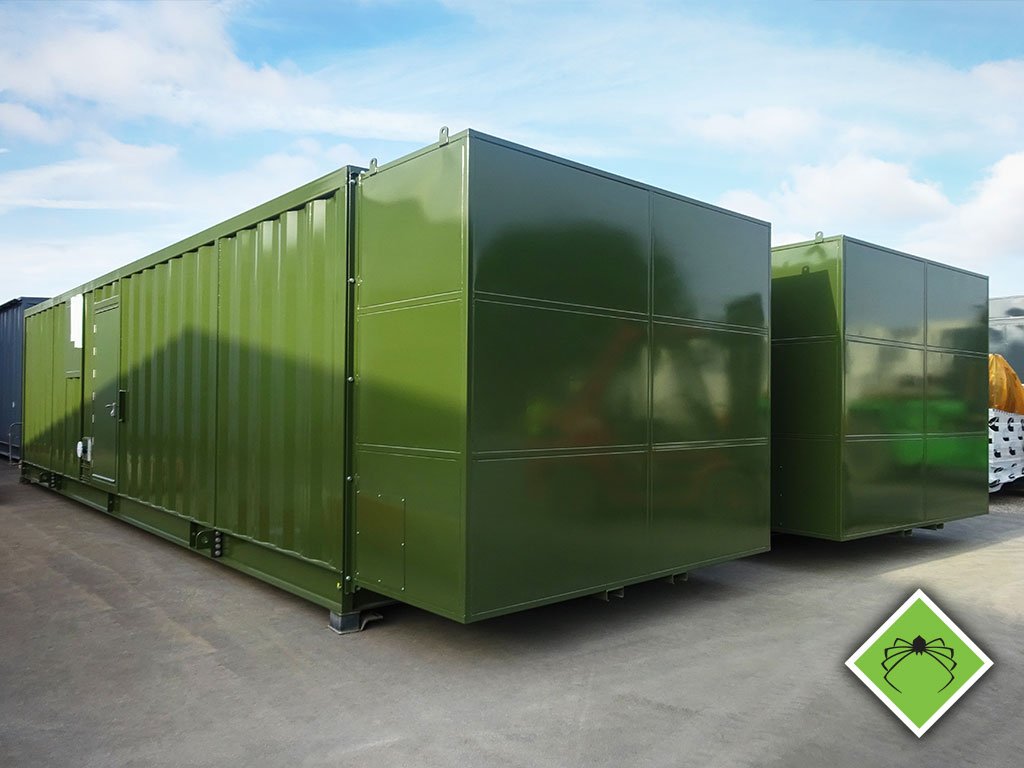
Are you tired of the loud noise your standby generator makes every time it kicks in? That constant humming can disrupt your peace and disturb your neighbors.
But what if you could keep your home powered without the noise? Soundproofing your standby generator is easier than you think. You’ll discover simple, effective ways to reduce noise and create a quieter environment for you and your family. Keep reading to find out how you can enjoy reliable power without the unwanted racket.
Why Soundproof A Standby Generator
Standby generatorscan produce loud noise that disturbs nearby homes. Noise levels often exceed 60 decibels, similar to a busy street. This noise can cause stress and sleep problemsfor people nearby.
Neighbors may feel annoyed or uncomfortable due to constant noise. Soundproofing helps keep peace in the communityand prevents complaints.
Reducing noise improves health and comfort. Less noise means better sleep and less stress. It also protects ears from damage caused by loud sounds. Soundproofing makes standby generators less disruptive and safer for everyone.
Common Noise Sources In Generators
Engine noiseis one of the loudest parts of a standby generator. The engine runs fast and creates a constant sound. This noise can be deep and steady, making it easy to hear from far away.
Exhaust soundcomes from gases leaving the engine. It often sounds like a sharp roar or a loud hissing. This noise is usually higher pitched than engine noise.
Vibration and resonancehappen because the generator parts shake while running. These shakes cause extra noise and can make nearby objects buzz or rattle. The noise from vibration can travel through floors, walls, and the ground.
Choosing The Right Location
Choose a location far from your home to reduce noise. The greater the distance, the less sound you will hear indoors.
- Natural barrierslike trees or bushes help block noise.
- Hills or fences also act as good sound shields.
Place the generator on solid ground to avoid extra noise from vibrations. Slightly elevated spots help keep water away and improve airflow.

Credit: www.zombiebox.com
Soundproofing Materials To Use
Acoustic foam panelsabsorb sound waves effectively. They reduce echoes and lower noise levels near the generator. Easy to install, they fit walls or enclosures around the unit. These panels are lightweight and come in various sizes and shapes.
Mass loaded vinylacts as a heavy barrier to block sound. It is dense but flexible, making it good for wrapping or lining generator boxes. This material stops noise from passing through walls or openings.
Soundproofing blanketscombine thickness and density to cut noise. They wrap around the generator or hang on nearby surfaces. These blankets are portable and can be moved as needed. They also help reduce vibrations.
Building A Soundproof Enclosure
Choosing the right materialsis key for soundproofing. Thick wood, mass-loaded vinyl, and acoustic foam absorb noise well. These materials block sound from escaping the enclosure.
Good ventilationis essential to keep the generator cool. Use quiet ventsor mufflers to reduce noise. Design vents to allow airflow without making loud sounds.
Seal all gaps and jointstightly. Use weather stripping or acoustic sealant to close openings. This stops sound from leaking out and keeps the enclosure airtight.

Credit: www.zombiebox.com
Using Vibration Isolation Techniques
Anti-vibration padshelp reduce noise by absorbing vibrations. They are placed under the generator base. These pads stop vibrations from passing into the ground or building structure. Soft materials like rubber or foam work best.
Mounting systemsisolate the generator from surfaces. Suspended mounts or spring mounts can hold the generator. These mounts absorb vibrations and prevent noise transfer to walls or floors. They keep the generator stable and quieter.
Flexible couplingsconnect the engine and generator parts. They allow slight movement and reduce vibration transfer. This stops noise caused by rigid, direct connections. Flexible couplings help the generator run smoothly and quietly.
Exhaust Silencing Solutions
Reducing noise from a standby generator starts with effective exhaust silencing solutions. Using mufflers or soundproof enclosures can lower engine noise. Proper insulation around the exhaust helps keep sound levels down.
Mufflers And Resonators
Mufflersreduce noise by forcing exhaust gases through chambers. They absorb sound waves, making the generator quieter. Resonatorscancel certain sound frequencies. This helps in lowering specific loud noises from the exhaust. Both parts work together to reduce engine noiseeffectively.
Exhaust Routing
Changing the path of the exhaust can reduce noise. Routing exhaust pipes away from walls or living areas helps. It also lowers the chance of sound bouncing back. Using longer pipes or bends can slow down noise travel.
Heat Shielding
Heat shields protect nearby objects from hot exhaust parts. They also stop heat from causing more noise. Shields made from metal or special material block heat and sound. This keeps the generator area safer and quieter.
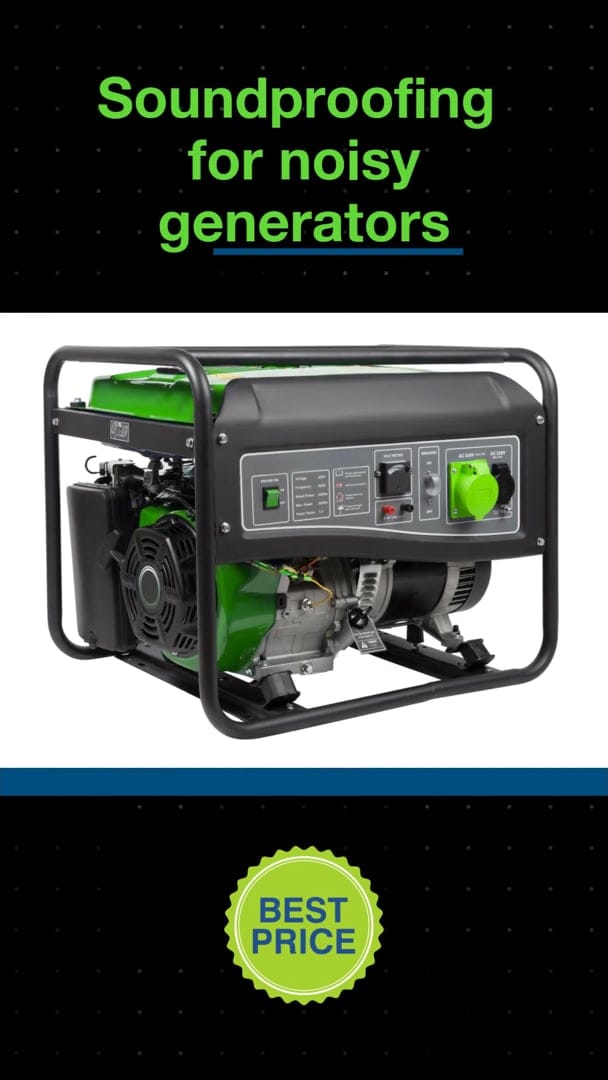
Credit: genesisacoustics.co.za
Maintenance Tips For Noise Reduction
Regularly check and tighten generator parts to reduce vibrations and noise. Clean air filters and oil changes keep the engine running smoothly and quietly. Using soundproof enclosures helps block noise from escaping.
Regular Engine Tuning
Keep the engine tuned to reduce excess noise. A well-tuned engine runs smoothly and quietly. Check spark plugs, air filters, and fuel systems often. This ensures the generator does not work harder than it should. Quieter operation means less disturbance around your home or workplace.
Cleaning And Lubrication
Clean the generator parts regularly to avoid noise from dirt buildup. Lubricate moving parts to reduce friction sounds. Use the recommended oil and grease for your model. Proper lubrication keeps the engine parts moving softly and quietly.
Checking For Loose Parts
Loose parts cause rattling and banging noises. Inspect bolts, screws, and mounts often. Tighten anything that is loose to stop noise. This simple step can make a big difference in sound reduction.
Additional Noise Control Strategies
Landscapingwith dense shrubs and trees can absorb noise effectively. Plant thick bushes around the generator to block sound waves. Using earth mounds or berms near the generator can also reduce noise travel.
Sound barrierssuch as fences or walls can block and reflect sound. Materials like wood, concrete, or specially designed acoustic panels work best. Make sure barriers are tall and close to the generator for best results.
- Schedule generator use during daytimeto reduce disturbance.
- Avoid running it late at night or early morning.
- Plan maintenance and tests for times when fewer people are around.
Frequently Asked Questions
How Can I Reduce Standby Generator Noise Effectively?
To reduce generator noise, use soundproof enclosures or acoustic panels. Place the generator on vibration-absorbing mats. Regular maintenance also minimizes noise caused by mechanical issues. These methods ensure quieter operation and enhance your comfort during power outages.
What Materials Are Best For Soundproofing Generators?
Dense materials like mass-loaded vinyl, acoustic foam, and plywood work best. These materials absorb and block sound waves efficiently. Combining them in layers improves noise reduction significantly. Use weather-resistant materials for outdoor generators to ensure durability and effectiveness.
Where Should I Install A Soundproof Generator Enclosure?
Install the enclosure in a well-ventilated area with minimal noise reflection. Keep it away from windows and outdoor seating spaces. Proper placement enhances soundproofing and maintains safe generator operation. Ensure easy access for maintenance and fuel refills.
Can Landscaping Help Soundproof A Standby Generator?
Yes, thick shrubs and trees act as natural sound barriers. They absorb and diffuse sound, reducing noise levels. Combine landscaping with other soundproofing methods for better results. This eco-friendly approach also improves your property’s aesthetics.
Conclusion
Soundproofing your standby generator ensures peace and quiet. Start by choosing the right materials. Foam panels and mass-loaded vinyl work well. Seal any gaps for maximum effectiveness. Regular maintenance is crucial for lasting results. Check for loose parts or leaks.
Consider professional help if DIY methods fall short. Remember, a quieter generator means happier neighbors. Enjoy the serenity without sacrificing power. Implement these tips for a noise-free environment. Your home deserves tranquility. Keep your space peaceful and efficient. Soundproofing is an investment in comfort.
Make the change today for a quieter tomorrow.