Are you worried about the longevity of your fuel supply? Whether you’re storing fuel for emergency purposes, agricultural needs, or simply keeping it for long-term savings, ensuring its stability is crucial.
Fuel can degrade over time, leading to reduced efficiency and potential engine damage. You might be thinking, how can I preserve my fuel and avoid such problems? You’ll discover simple yet effective techniques to stabilize your fuel for long-term storage.
Imagine the peace of mind knowing your stored fuel is safe and ready to use whenever you need it. Read on to unlock the secrets to maintaining fuel quality and safeguarding your investments.

Credit: trueprepper.com
Why Fuel Stability Matters
Fuel stabilityis very important for long-term storage. Over time, fuel can break down and lose its quality. This process is called fuel degradation. It causes the fuel to become less effective and can harm engines.
Effects of fuel degradation include:
- Formation of gums and varnishes that clog fuel systems
- Loss of fuel energy and performance
- Increased risk of engine starting problems
- Corrosion inside fuel tanks and lines
Using unstable fuel comes with many risks:
- Engine damage due to poor fuel quality
- Higher maintenance costs to fix fuel system issues
- Reduced engine life and efficiency
- Unexpected breakdowns and failures
Types Of Fuel And Their Storage Needs
Gasolinebreaks down quickly and forms gums that clog engines. It should be stored in airtight containersaway from heat and light. Adding a fuel stabilizercan keep it fresh for up to 12 months.
Diesel fuellasts longer but can grow bacteria and fungi in water. Store it in clean, sealed containersand keep water out. Using a biocidehelps stop microbial growth during storage.
Ethanol-blended fuels attract moisture more than pure gasoline. This can cause phase separation, which harms engines. Keep these fuels in cool, dry placesand use stabilizers made for ethanol blends.
Choosing The Right Storage Containers
Fuel storage containers must be made of durable and non-reactive materials. Common options include metal, plastic, and glass. Metal containers are strong but may rust over time. Plastic containers are lightweight and resistant to corrosion but must be fuel-grade. Glass is rarely used due to fragility.
Choose containers with tight-fitting lidsto prevent leaks and evaporation. Look for containers with vent capsto release pressure safely. Handles and spouts make pouring easier and safer.
- Make sure lids seal completely and tightly.
- Use new gasketsor seals if needed.
- Check lids regularly for cracks or wear.
- Store containers in a cool, dry place.
Fuel Stabilizers: What To Use
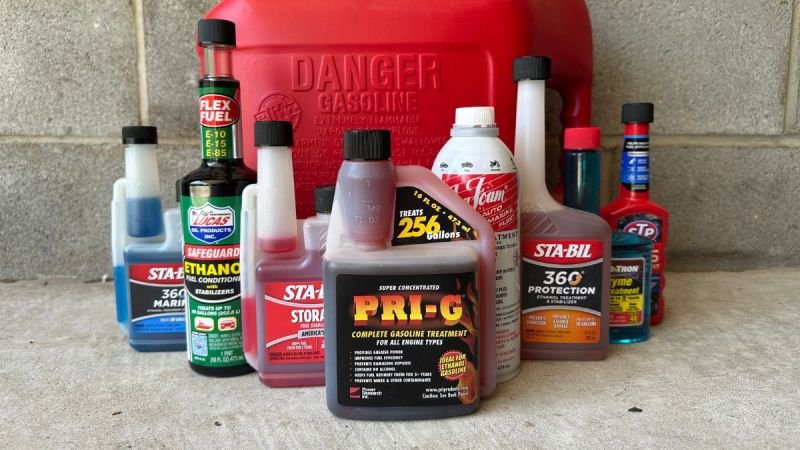
Fuel stabilizershelp keep fuel fresh for a long time. They stop the fuel from breaking down or getting thick. This keeps engines running smoothly after storage.
These additives work by blocking oxygen and slowing down chemical changes. This stops fuel from forming gums and varnishes. It also prevents water buildup inside the fuel tank.
| Additive Type | Best For | Key Benefit |
|---|---|---|
| Oil-Based Stabilizers | Gasoline and diesel | Prevents oxidation and gum formation |
| Alcohol-Based Additives | Small engines | Improves fuel flow and prevents moisture |
| Corrosion Inhibitors | Long-term storage tanks | Protects metal parts from rust |
- Add stabilizer to fresh fuel for best results.
- Mix fuel well after adding stabilizer.
- Store fuel in a sealed, cool place.
- Use treated fuel within 12 months.
Preparing Fuel For Storage
Filtering fuelremoves dirt and debris that spoil it. Use a fine mesh or fuel filter. Clean fuel burns better and lasts longer.
Clean containersprevent contamination. Wash them with warm soapy water, then dry completely. Use only containers made for fuel storage.
- Fill containers almost full to limit air inside.
- Leave a small space for fuel expansion.
- Seal containers tightly to stop leaks.
Avoid air and moisturebecause they cause fuel to break down. Store containers in a cool, dry place. Keep lids closed to stop moisture entry.
Storage Environment Tips
Store fuelin a place with steady temperature. Avoid spots that get too hot or cold. Ideal temperature is between 50°F and 70°F. Keep fuel away from direct sunlight to stop it from breaking down.
- Choose a cool, dry placefor storage.
- Avoid areas near heat sources or flames.
- Store fuel in sealed containersto keep air out.
Prevent dirt and water from mixing with fuel. Use clean funnelswhen pouring. Check containers for cracks or leaks. Keep containers tightly closed at all times to avoid contamination.
Maintaining Stored Fuel
Check stored fuel often for any signs of damage or contamination. Look for color changes or sediment at the bottom of containers. Keep containers tightly sealed to avoid moisture and dirt.
Test fuel quality by using simple test kits or sending samples to a lab. Good fuel burns clean and starts engines easily. Bad fuel causes engine problems and poor performance.
| Condition | Action |
|---|---|
| Fuel smells sour or smells like varnish | Replace immediately to avoid engine damage |
| Fuel is darker than usual or has particles | Filter or replace depending on contamination level |
| Fuel stored longer than 12 months without stabilizer | Replace, as it likely lost its quality |

Credit: trueprepper.com

Credit: trueprepper.com
Frequently Asked Questions
What Is Fuel Stabilizer And Why Use It?
Fuel stabilizer is an additive that prevents fuel degradation. It keeps fuel fresh during storage, reducing gum and varnish buildup. Using stabilizer extends fuel life, ensures engine performance, and avoids costly repairs from stale fuel damage.
How Long Can Stabilized Fuel Be Stored?
Stabilized fuel can last 12 to 24 months when stored properly. The stabilizer slows oxidation and evaporation, maintaining fuel quality. Store fuel in a cool, dry place away from direct sunlight for best results.
Can I Stabilize All Types Of Fuel?
Most gasoline and diesel fuels can be stabilized with the right additive. Check the stabilizer label for compatibility with ethanol-blended or marine fuels. Using the correct stabilizer ensures effective preservation and prevents engine issues.
When Should I Add Fuel Stabilizer?
Add fuel stabilizer immediately after filling your tank or container. This prevents fuel breakdown from starting. For long-term storage, mixing stabilizer before storage is crucial to maintain fuel quality and engine readiness.
Conclusion
Stabilizing fuel helps keep it fresh for a long time. Add the right fuel stabilizer before storing fuel. Store fuel in a cool, dry place away from sunlight. Use clean, sealed containers to prevent contamination. Check stored fuel regularly for any changes in smell or color.
Proper storage saves money and prevents engine problems. Taking small steps now protects your fuel later. Safe fuel storage keeps your equipment ready to use. Simple habits make a big difference in fuel life. Keep your fuel stable and your engines running smoothly.