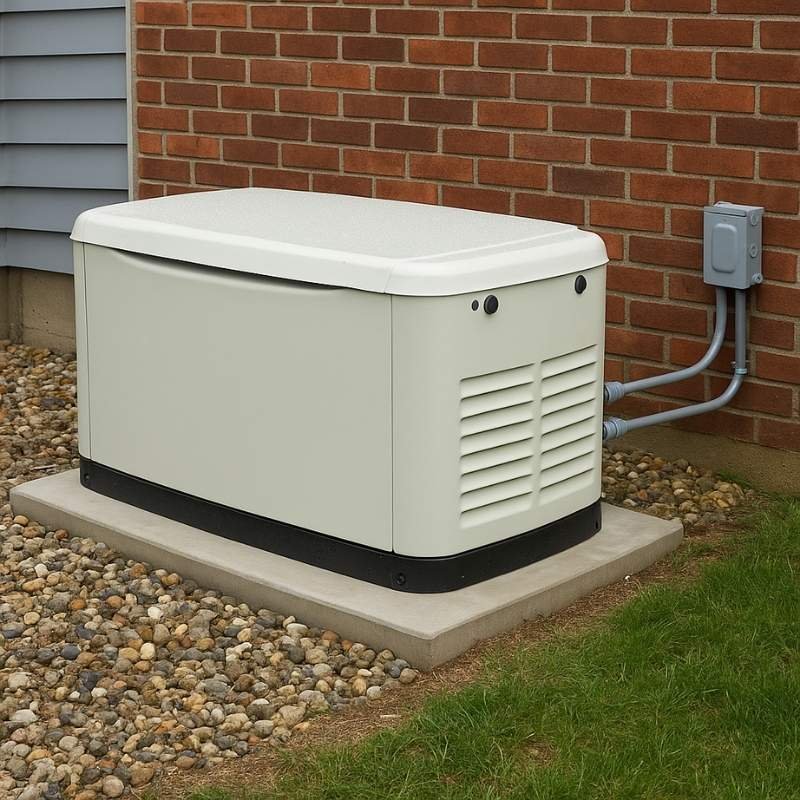
Imagine a storm is raging outside. The power goes out, plunging your home into darkness.
But you relax, knowing your standby generator is ready to kick in. To ensure it operates efficiently, you need a solid foundation — a generator pad. In this guide, you’ll discover how to create a reliable standby generator pad that can weather any storm.
You’ll learn why it’s crucial for stability and longevity, and how it can save you from costly repairs. By the end of this article, you’ll have the confidence to set up your generator pad and ensure your power stays on when you need it most. Stick around to uncover the secrets to a hassle-free generator setup!
Choosing The Right Location
Choose a spot that fits the generator sizeand leaves room around it. Space allows easy access for maintenance and repairs. A flat, stable surface helps keep the generator steady.
Noise is a big factor. Pick a location away from bedrooms or neighbors. Good ventilationhelps the generator cool down and clears exhaust fumes.
Check local rulesbefore placing the pad. Some areas have rules about distance from buildings, fences, or property lines. Following these rules avoids fines or problems later.
Selecting The Pad Material
Choosing the right pad material ensures stability and durability for your standby generator. Concrete pads are common for strong support, while gravel pads offer better drainage. Select a material that suits your climate and ground conditions.
Concrete Pads
Concrete padsare very strong and last a long time. They hold the generator steady and stop it from sinking. Concrete is good for heavy generators. It is also fire-resistant and easy to clean. The pad should be at least 4 inches thick for good support.
Plastic And Composite Pads
Plastic and composite padsare light and easy to move. They do not crack like concrete can. These pads resist water and chemicals well. They can be cheaper but may not hold very heavy generators. Great for small to medium-sized units.
Metal Pads
Metal padsoffer strong support and last long too. They may rust if not protected. Metal pads are good if you want a thin but strong base. They are easy to install but can be noisy if the generator shakes.
Sizing The Generator Pad
Measure the generator’s length, width, and height carefully. Add extra space for air flow and maintenance access. This keeps the generator cool and easy to service.
Clearance around the generator helps avoid overheating and noise issues. A minimum of 2 feet clearance on all sides is usually good. Check local rules for exact requirements.
| Pad Feature | Details |
|---|---|
| Load-Bearing Capacity | The pad must support the generator’s weight without sinking or cracking. Concrete pads are common for strength and durability. |
| Thickness | Usually 4 to 6 inches thick to hold the generator firmly. |
| Level Surface | Ensures proper operation and reduces vibrations. |

Credit: aquariushomeservices.com
Preparing The Site
Clear all plants, rocks, and debris from the site. The ground must be flat and even. Use a shovel or a rake to level the area well.
Dig a shallow hole to place the base material. Spread a layer of gravel or crushed stone for stability. This base helps keep the generator dry and steady.
| Drainage Point | Reason |
|---|---|
| Slope the ground away | Prevents water from pooling near the generator |
| Use gravel base | Allows water to drain through and keeps pad dry |
| Check local codes | Ensures proper drainage and safety compliance |
Pouring And Finishing The Pad
Concrete must be mixed well for a strong generator pad. Use the right ratio of cement, sand, gravel, and water. Pour the concrete evenly into the form. Avoid leaving gaps or air pockets. Spread it out smoothly with a trowel or float.
Finish the surface by smoothing the concrete. This helps prevent cracks and makes the pad look neat. Let the concrete cure for at least 24 to 48 hours. Keep it moist by covering with plastic or spraying water. Proper curing ensures the pad stays strong over time.
Anchors and supports keep the generator steady on the pad. Place anchor bolts in the wet concrete before it sets. These bolts hold the generator base securely. Use metal brackets or supports for extra stability, especially in windy areas or uneven ground.

Credit: www.pwrpads.com
Installing The Standby Generator
The generatorshould be placed on a flat, solid surface. This prevents movement and vibrations. Keep it away from windows and doors for safety. Make sure there is enough space around for airflowand maintenance.
Use anchor boltsto secure the generator pad. This keeps it from shifting during stormsor earthquakes. Check that all bolts are tight and the unit is stable.
Connect the electrical wirescarefully. Follow the manufacturer’s instructionsto avoid mistakes. Use proper insulationto prevent shocks.
Fuel lines must be secure and leak-free. Use approved hosesand clamps. Test for leaks before starting the generator to ensure safety.
Safety Tips And Best Practices
Proper ventilationis essential for a standby generator pad. It helps avoid dangerous buildup of exhaust gases. Place the generator in an open area or near vents that allow fresh air flow. Keep the area around the generator clear of leaves and debris to ensure air moves freely.
Regular maintenance checks keep the generator running safely and efficiently. Check oil levels, filters, and fuel lines often. Look for leaks, loose parts, and corrosion. Test the generator under load to confirm it works well.
| Emergency Shutdown Procedures |
|---|
|
Credit: www.powerequipmentforum.com
Frequently Asked Questions
What Materials Are Best For A Standby Generator Pad?
Concrete is the most durable and common material for generator pads. It provides a stable, level surface that supports weight and resists weather damage. Alternatively, compacted gravel can be used but may require more maintenance and leveling over time.
How Thick Should A Generator Pad Be?
A generator pad should be at least 4 inches thick. This thickness ensures enough strength to support the generator’s weight and prevent sinking or cracking. Thicker pads may be necessary for heavier generators or unstable soil conditions.
Where Should I Place The Generator Pad?
Place the generator pad on level, well-drained ground close to your home. Ensure it’s away from windows, vents, and doors to avoid exhaust fumes entering the house. Also, check local codes for required clearance distances around the generator.
Can I Install A Generator Pad Myself?
Yes, with proper tools and knowledge, you can install a generator pad yourself. It involves site preparation, forming, pouring concrete, and curing. However, professional installation is recommended for best results and safety compliance.
Conclusion
Building a standby generator pad is simple and important. It keeps the generator steady and safe. Choose a flat, solid spot with good drainage. Use strong materials like concrete or gravel. Measure carefully and follow local rules. A well-made pad helps the generator work well and last longer.
Taking time to prepare the pad protects your home during power outages. You can save money and avoid problems later. A good pad means your generator stays in place and runs smoothly. Stay safe and ready for any power loss.