
Are you ready to power your home or outdoor adventures with a dual fuel generator, but you’re not quite sure where to start? You’re in the right place.
Getting a dual fuel generator up and running might seem daunting at first, but with the right guidance, you can have it purring smoothly in no time. Imagine the peace of mind you’ll feel knowing you have a reliable backup power source, ready to keep your lights on and devices charged no matter what.
As you read on, you’ll discover simple steps and insider tips that will make setting up your dual fuel generator a breeze. Don’t miss out on mastering this essential skill—your ultimate guide is just a scroll away.
Choosing The Right Location
Pick a flat and stable area for the generator. Keep it away from water and flammable items. The spot should be dry and clean. Make sure no children or pets can reach it. Maintain a safe distance from windows and doors. This prevents fumes from entering the home. Safety is very important. Always follow the rules for placing generators.
Generators need good airflow to work well. Place the generator in an open space. This helps it “breathe” and cool down. Never use it inside a closed room or garage. Carbon monoxide can be dangerous. Ensure at least three feet of space around it. This allows for proper ventilation. Proper air circulation keeps the generator safe and efficient.

Credit: www.youtube.com
Fuel Selection
Choosing the right fuelis important for your dual fuel generator. Two main fuel types are gasolineand propane. Both have unique properties and benefits.
| Fuel Type | Pros | Cons |
|---|---|---|
| Gasoline |
|
|
| Propane |
|
|
Preparing The Generator
Check the oil level before using the generator. Find the oil dipstick. Pull it out and wipe it clean. Insert it back and pull out again. Look at the oil level. Make sure it’s between the marks. Add more oil if needed. Use the right type of oil. This keeps the generator working well.
Check all the connections on the generator. Look for any loose wires. Tighten them if needed. Ensure the fuel lines are secure. No leaks should be present. Inspect the battery connections. They should be tight and clean. A good connection helps the generator start easily.
Starting Process
Choose either gasolineor propaneas your fuel source. Turn the fuel valve to the desired fuel setting. Check all connections for leaks or loose fittings. For propane, attach the hose securely to the tank. Ensure the tank valve is open. For gasoline, ensure the tank is filled. Turn the choke to the “on” position for a cold start. Switch the fuel selector to match your chosen fuel.
Ensure the generator is on a flat surface. Locate the electric start button. Insert the key into the ignition if required. Press the start button firmly. Allow the generator to run for a few minutes. Check for any unusual noises or vibrations. Adjust the choke lever as needed. Connect your appliances once the generator is stable.
Monitoring Performance
Ensure the generator is on a flat surface. Check fuel levels and connections. Follow the manual for startup procedures.
Assessing Output
Check the generator’s output regularly. Ensure it meets your power needs. Use a multimeter to measure the voltage and frequency. Look for any unusual sounds or smells. These can indicate a problem. Observe the fuel consumption rate. A sudden increase may show an issue. Keep a record of the generator’s performance. This helps in tracking any changes over time.
Adjusting Fuel Mix
Mixing fuels can change how the generator runs. Start with a simple mix. Use the recommended ratio from the user manual. Too much of one fuel can cause problems. Adjust slowly and watch the performance. Different mixes can change the engine’s power. Keep a close eye on the engine temperature. A high temperature may mean a bad mix. Always have enough fuel on hand.
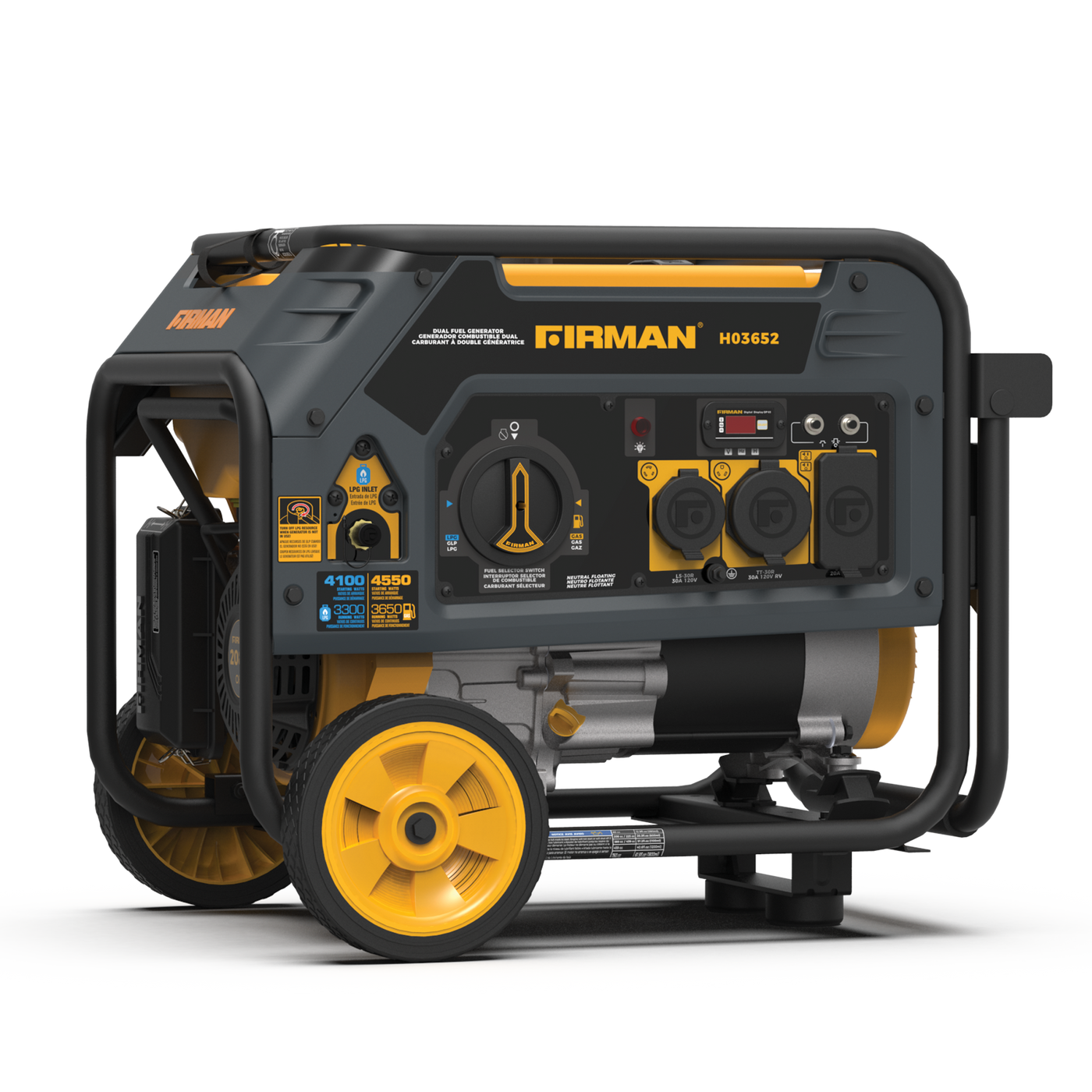
Credit: firmanpowerequipment.com
Maintenance Tips
Starting a dual fuel generator involves checking fuel levels and ensuring proper connections. Turn the generator on using the switch and select the fuel mode. Monitor the performance to ensure smooth operation and address any issues promptly.
Regular Inspections
Check the oil level often. Low oil can cause damage. Inspect the fuel lines for leaks. Look at the air filter. Clean if dirty. Examine the spark plug. Replace if worn out. Inspect the battery. Ensure it is charged. Check the generator’s exterior. Look for rust or damage.
Troubleshooting Common Issues
Start with the fuel source. Ensure there is enough fuel. Look at the air filter. Replace if blocked. Examine the spark plug. Clean or change if needed. Check the battery connections. Tighten if loose. Inspect the circuit breaker. Reset if tripped. Listen for strange noises. These can indicate problems.

Credit: www.championpowerequipment.com
Frequently Asked Questions
How Do You Start A Generator Step By Step?
To start a generator, first ensure it’s on a flat surface. Check fuel and oil levels. Turn the fuel valve on. Set the choke to the “start” position. Pull the starter cord firmly or press the start button. Gradually move the choke to “run” once it starts.
Do You Need To Use The Choke On A Propane Generator?
You don’t need to use the choke on a propane generator. Propane engines don’t require a choke for starting. This feature is typically for gasoline engines. Always follow the manufacturer’s instructions for optimal performance.
How To Start A Propane Dual Generator?
To start a propane dual generator, first ensure the propane tank is connected securely. Turn the fuel valve to the open position. Switch the generator’s power switch to “On. ” Finally, pull the starter cord or press the electric start button, depending on your model.
Always follow the manufacturer’s instructions.
What Is The Disadvantage Of A Dual Fuel Generator?
Dual fuel generators can be more expensive and complex to maintain. They may also have a shorter lifespan due to frequent fuel switching. These generators are heavier and less portable, making them less convenient for certain uses. Fuel availability can also be a concern in remote areas.
Conclusion
Starting a dual fuel generator is simple with the right steps. Always read the manual first. Check fuel levels and connections. Ensure the generator is on a flat surface. Use the electric start or pull cord as needed. Be patient and listen for any unusual sounds.
Regular maintenance keeps your generator in good shape. Practice starting it a few times. Confidence comes with familiarity. With time, operating your generator will feel second nature. Stay safe and enjoy the benefits of reliable power anytime, anywhere.