
Are you ready to face unexpected power outages without a hitch? Understanding how to start a standby generator can save your day when the lights go out.
Imagine the peace of mind knowing that a reliable source of power is just a button away, ensuring your home stays lit and your appliances running smoothly. In this guide, you’ll discover the simple steps to power up your generator with confidence.
You’ll learn the secrets to maintaining it, so it’s always ready when you need it the most. Dive in, and equip yourself with the knowledge to keep your home safe and comfortable, no matter what the weather brings.

Credit: www.angi.com
Choosing The Right Generator
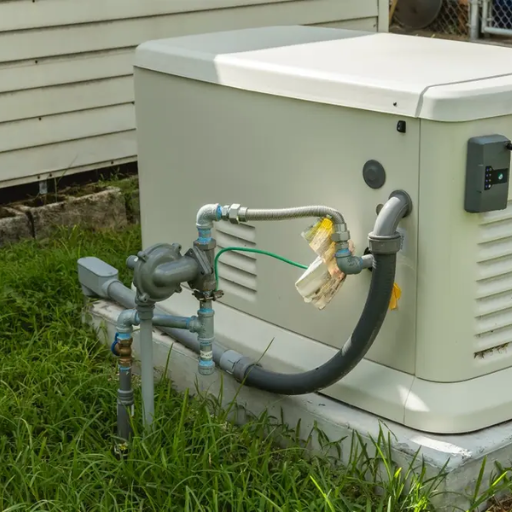
Standby generators come in different types. Some run on natural gas, others use propaneor diesel. Each type has its own advantagesand drawbacks. Natural gas models connect directly to your home’s gas line. Propane generators are good for places without gas lines. Diesel models often last longer but may need more care.
Choosing the right sizeis important. Too small won’t power your home properly. Too big wastes money and fuel. Calculate the total wattageof devices you want to run. Include lights, refrigerator, and heating or cooling systems.
| Fuel Type | Pros | Cons |
|---|---|---|
| Natural Gas | Continuous supply, low cost | Needs gas line, less portable |
| Propane | Portable, clean burning | Needs refilling, more expensive |
| Diesel | Powerful, long-lasting | Noisy, requires maintenance |
Credit: shgeneratorset.com
Preparing For Installation
Choose a dry, well-ventilatedspot for your standby generator. It should be close to your home but away from windows and doors. This helps avoid fumes enteringyour living space. The ground must be level and stableto support the generator’s weight.
Check local permits and regulationsbefore installation. Different areas have rules about noise levels, placement, and electrical connections. Contact your city office or utility company to get the necessary approvals. This step avoids fines and ensures safety.
- Keep the area clear of flammable materials.
- Make sure the generator has proper grounding.
- Install a carbon monoxide detectornearby.
- Follow the manufacturer’s safety guidelines.
Initial Setup Steps
Connecting the generator to your home’s power supply is very important. Use a transfer switchto safely switch power from the main grid to the generator. This prevents power from flowing back into the grid, which can be dangerous.
Installing the transfer switch near your main electrical panel allows easy control. A licensed electrician should handle this part to ensure safety and code compliance.
For the fuel supply, connect the generator to a steady source. This could be natural gas, propane, or diesel, depending on your generator model. Make sure the fuel lines are tight and leak-free.
- Check all connections before turning on the generator.
- Keep fuel tanks away from heat and sparks.
- Use proper pipes and fittings for fuel type.
Starting Your Generator
Check the fuel level and oil before starting the generator. Make sure the area is clear of any objects or debris. Confirm that all switches and circuit breakers are in the off position. Inspect the air filter and clean it if needed. Always keep the generator on a flat surface to avoid fuel leaks.
To start manually, turn the fuel valve on. Switch the choke to the start position. Pull the recoil starter slowly until resistance is felt, then pull quickly. Once the engine starts, move the choke to the run position. Let the generator warm up for a few minutes before connecting appliances.
Automatic start models detect power outages and start without user help. The system runs a self-check and begins supplying power. It stops automatically when the main power returns. This feature adds safety and convenience, especially during long outages.
Maintaining Your Generator
Regular inspections keep your generator in good shape. Check for dirt, rust, and loose parts. Clean the air filter often. Look at the battery terminals for corrosion. Test the generator by running it monthly. This helps find problems early.
Fuel and oil need careful handling. Use fresh fuel to avoid clogs. Store fuel in a cool, dry place. Change the oil after every 50 hours of use or yearly. Use oil type recommended by the manufacturer. Check oil levels before each run.
| Common Issue | Possible Cause | Simple Fix |
|---|---|---|
| Won’t Start | Dead battery or empty fuel | Charge battery, refill fuel tank |
| Runs Rough | Dirty air filter or old fuel | Clean filter, replace fuel |
| Overheats | Blocked vents or low oil | Clear vents, check oil level |
Maximizing Generator Efficiency
Load managementhelps keep the generator running smoothly. Avoid using too many devices at once. Turn off non-essential appliances to save fuel and reduce wear. Balance the load so the generator does not overload. This improves efficiencyand extends the generator’s life.
Energy saving tips include running the generator only when needed. Use energy-efficient bulbs and appliances. Regularly check for leaks or damage that can waste power. Keep the generator clean and well-maintained for best results.
| Component | Upgrade Benefit |
|---|---|
| Battery | Longer start times and reliable power |
| Fuel System | Better fuel flow and less waste |
| Control Panel | Easier monitoring and control |

Credit: www.youtube.com
Frequently Asked Questions
How Do I Safely Start A Standby Generator?
First, ensure the generator is properly connected and fueled. Turn off all appliances before starting. Then, switch on the generator’s main power and start the engine following the manufacturer’s instructions. Always check for proper ventilation to avoid carbon monoxide buildup.
When Should I Test My Standby Generator?
Test your standby generator monthly to ensure it works correctly. Regular testing helps identify issues early and ensures reliable performance during outages. Run it under load for about 10-15 minutes to simulate real conditions and maintain battery charge.
What Fuel Is Best For Standby Generators?
Most standby generators use natural gas, propane, or diesel. Natural gas is convenient for continuous use. Propane stores well for emergencies, while diesel offers high efficiency. Choose fuel based on availability, cost, and your generator’s specifications.
Can I Start A Standby Generator During A Power Outage?
Yes, standby generators are designed to start automatically during power outages. They switch on within seconds of detecting a blackout, providing seamless power backup. Manual start options are also available for added control.
Conclusion
Starting a standby generator is simple with the right steps. Always check fuel and oil levels first. Make sure the area is clear and safe before turning it on. Follow the manual’s instructions carefully to avoid mistakes. Regular testing keeps your generator ready for power outages.
Remember, safety comes first in every step you take. A standby generator brings peace of mind when the power goes out. Keep your home and family comfortable by knowing how to start it properly. Stay prepared and confident during any power loss.